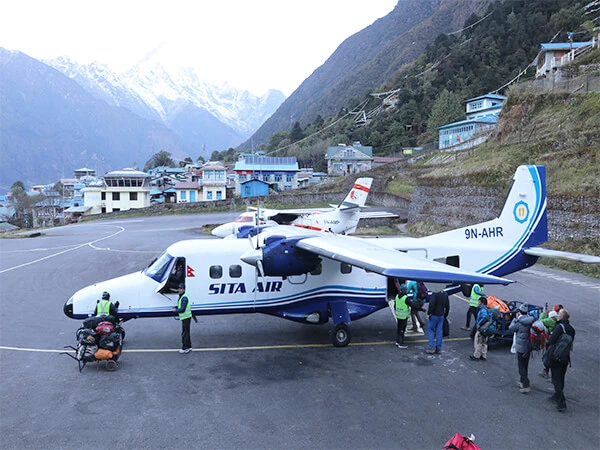
Introduction to Trekking in Nepal
Trekking in Nepal is a perfect experience that should be done by everyone at least once in a lifetime. Nepal, being one of the top trekking destinations in the world, which is known to take you into the heart of the Himalayas, rewards you with impressive mountain landscapes and traditional villages. Trekking to the Himalayas offers a rewarding opportunity to connect with the natural beauty, challenge yourself, and offer a memorable experience.
What makes Nepal trekking truly special is the wide range of choices, as per your needs and fitness. In most of the routes, you walk through terraced farmlands, dense forests, suspension bridges, and alpine valleys, surrounded by renowned peaks. Popular treks such as Everest Base Campand Annapurna Circuitare the most done treks in Nepal, which are known to reward with an authentic Himalayan trekking experience.
Therefore, if you plan a trek in Nepal, understanding the perfect seasons, altitude, permits, and having proper preparation is essential. With the right knowledge and positive mindset, Nepal trekking is not just an adventure, but a personal experience into nature and culture.
Important Highlights of Trekking in Nepal
- Trek in the iconic Himalayan trails that lead to the legendary base camps.
- Grab the chance to witness the impressive beauty of snow-covered peaks from close throughout the trek.
- Stay in traditional teahouses, which are run by the local mountain families, offering a comfortable experience of the local lifestyle.
- Wake up to the sunrise views over the Himalayas from various viewpoints along the routes.
- Taste the traditional Nepali and Tibetan-style food throughout the trek.
- Challenge yourself with high-altitude trekking and push your limits for an adventurous experience.
- Trek through varied landscapes, as you pass through dense forests, scenic valleys, and incredible glaciers.
- Spend your days in the mountain areas, as they are far away from the modern lifestyle, offering an authentic experience of nature.
Why is trekking in Nepal so popular in 2026?
Trekking in Nepal is mainly popular in 2026 because this year offers a raw Himalayan adventure that is combined with a deep cultural connection. Known as home to the world’s highest mountains, yet its trekking routes are easily accessible, well-maintained, and suitable for different experience levels. From the iconic trails such as Everest Base Camp to quieter, lesser-known routes, trekkers are mainly drawn to the impressive landscapes, changing terrain, and walking through a peaceful atmosphere.
In 2026, more trekkers are seeking meaningful, slower, and experience-based journeys rather than the usual short vacation treks. Trekking in Nepal is a perfect way to challenge yourself and reconnect with nature and the local communities. The improved trails, responsible tourism practices, and increased awareness of trekking have helped Nepal make the top choice for travellers seeking an authentic yet rewarding adventure.
How Difficult is Trekking in Nepal, mainly for first-time trekkers?
Trekking in Nepal can be tough at first, but the level of difficulty depends on the route and how perfectly you are prepared for the journey. If you are a beginner trekker, trails such as Annapurna Base Camp, Ghorepani Poon Hill, or Langtang Valley are known to be beginner-friendly. These treks offer stunning Himalayan views, cultural experiences, and fewer challenges, which makes them an ideal trekking destination in Nepal for beginners.
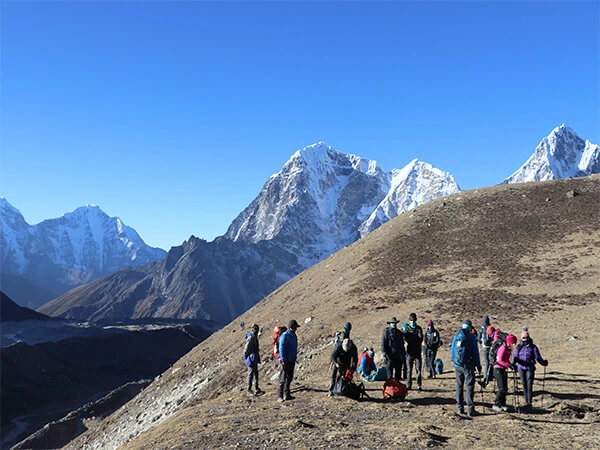
One of the major challenges for beginners is the gradual altitude, unpredictable weather, and physical endurance. Taking on the moderate level treks also includes walking for 4 to 7 hours each day through uneven terrain, steep climbs, and long ascents. So, having proper physical fitness, acclimatization, and a steady pace are essential to prevent altitude sickness.
With well-established trails, supportive teahouse accommodations, and experienced guides makes the trek safe, rewarding, and easily accessible, even for beginners who want to experience the Himalayas.
What are the best trekking regions in Nepal?
Nepal includes a large number of trekking regions that suit every type of adventurer, from beginners to experienced trekkers. Each region has its own unique landscapes, cultures, and experiences, making trekking in Nepal an unforgettable adventure. Here are some of the best trekking regions and what makes them even more special.
Everest region
The Everest region is the ultimate dream destination for many trekkers, as the overall journey involves incredible mountain views, including Mount Everest, along with other stunning valleys, glaciers, and suspension bridges. Along the way, you pass through traditional Sherpa villages, ancient Buddhist monasteries, and reach the base camp. The trail is known to be moderate to challenging, with several options such as Everest Base Camp, Cho Oyu, and Gokyo Lakes. If you want a more adventurous experience in the Himalayas, the Everest Three Pass Trek might be the top preference.
Annapurna Region
The Annapurna region is another famous region, offering you a variety of landscapes from terraced farmlands to alpine meadows and snow-capped peaks. The region includes treks such as the Annapurna Circuit and Annapurna Base Camp, offering moderate challenges, which are perfect for first-time trekkers. Throughout the journey, you are treated to the jaw-dropping panoramic views of the surrounding mountains. Along the trails, you can experience the culture of Gurung and Magar, making the journey even more engaging.
Langtang Region
The Langtang valley is known for its accessible routes, which make it a short yet beginner-friendly trek in Nepal. The journey takes you to the amazing valleys, dense forests, and alpine landscapes. Trekkers can experience traditional Tamang culture and local monasteries while enjoying moderate trails with fewer crowds than Everest or Annapurna. If you are after a quieter trekking experience as well as impressive Himalayan vistas, Langtang can be a better choice for you.
Manaslu Region
The Manaslu region is one of the gaining popular spots for adventure seekers wanting a less-crowded trekking trail. This region serves as a home to Mount Manaslu, the eighth-highest peak in the world, offering you challenging treks with jaw-dropping landscapes, high-altitude passes, and remote villages. During the trek to this region, trekkers can experience authentic Himalayan culture with fewer crowds, making it perfect for those who want an off-the-beaten-path experience. The Manaslu region is mostly inhabited by Tibetans, where you have chances to explore the ancient monasteries.
What is the best time for trekking in Nepal?
The best time for trekking in Nepal depends on the region. However, during the time of spring (March to May) and autumn (September to November), the trekking conditions are perfect, as the mountain views are clearer, trails are well-maintained, and proper facilities of accommodations are available even at higher elevations. This time is also perfect for photography and those who are new to trekking in the regions of Nepal.
Spring is the peak time for trekking in Nepal, as during this time the trails are full of blooming rhododendron forests and other alpine flowers. The temperatures are moderate, making trekking comfortable even at higher altitudes. This season also allows trekkers to experience the local festivals in mountain villages, adding cultural richness to the adventure.
Autumn is another favourite season, with crisp air, bright skies, and stunning panoramic views of mountains like Everest, Annapurna, and Langtang. As this season starts after the monsoon, which is rewarded with the most perfect trekking conditions in Nepal, with few chances of rain.
Winter (December to February) is a quieter and colder season, offering peaceful trails and snowy landscapes, but some high passes may even be closed. The monsoon season (June to August) brings heavy rain and slippery trails, making trekking more challenging, but perfect for those who want fewer crowds and lush green landscapes.
What is the cost of trekking in Nepal?
The cost of trekking in Nepal can vary depending on the type of trek, the level of comfort, and whether you hire guides or go independently. For budget trekkers, basic teahouse treks with local meals and self-organised routes can cost around $20 to $40 per day, covering accommodation, food, and permits.
For those who prefer guided treks, hiring a guide and porter can cost more per day, plus the tips. The guided treks often include support with permits, safety, and local insights, which is especially helpful for first-time trekkers.
Luxury trekking packages mainly include private guides, comfortable lodges, and personalised meals, which can cost around $100 to $300 per day, depending on the region and duration of the trek. The total cost also depends on the flight, travel insurance, and trekking gear required for the journey.
Overall, trekking in Nepal remains very affordable compared to other mountain destinations while enjoying the Himalayan experiences, magnificent landscapes, and authentic cultural encounters. With careful planning, trekkers can choose a budget or luxury experience that fits their style.
What cultural experiences can you expect while trekking in Nepal?
Trekking in Nepal is as much a cultural journey as it includes passing through remote villages where life has remained largely unchanged for generations. Along the way, you can experience the daily routine of local people, spend an overnight at traditional houses, and learn about farming, herding, and mountain lifestyles.
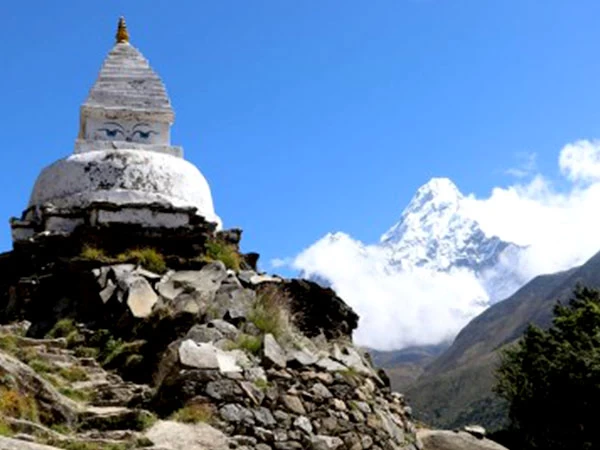
Chances to visit ancient monasteries, prayer flags, and mani walls, even make your journey more engaging, with chances for deep spiritual experience. Festivals, local cuisines, and warm hospitality make cultural encounters even richer. Getting a chance to share tea with Sherpa, Gurung, or Tamang families and hearing their stories makes the journey memorable. These authentic experiences make trekking in Nepal a unique adventure that connects you with both nature and humans.
Conclusion
Trekking in Nepal is more than a journey through the mountains, as well as an adventure that combines breathtaking landscapes, rich culture, and personal growth. From the towering peak of the Everest region to the serene valleys of Annapurna and Langtang, each trail has something unique for every type of trekker. The overall journey involves accessible routes, welcoming local communities, and well-established teahouses, which make Nepal a top-trekking destination.