Tamang Heritage Langtang Valley Trek
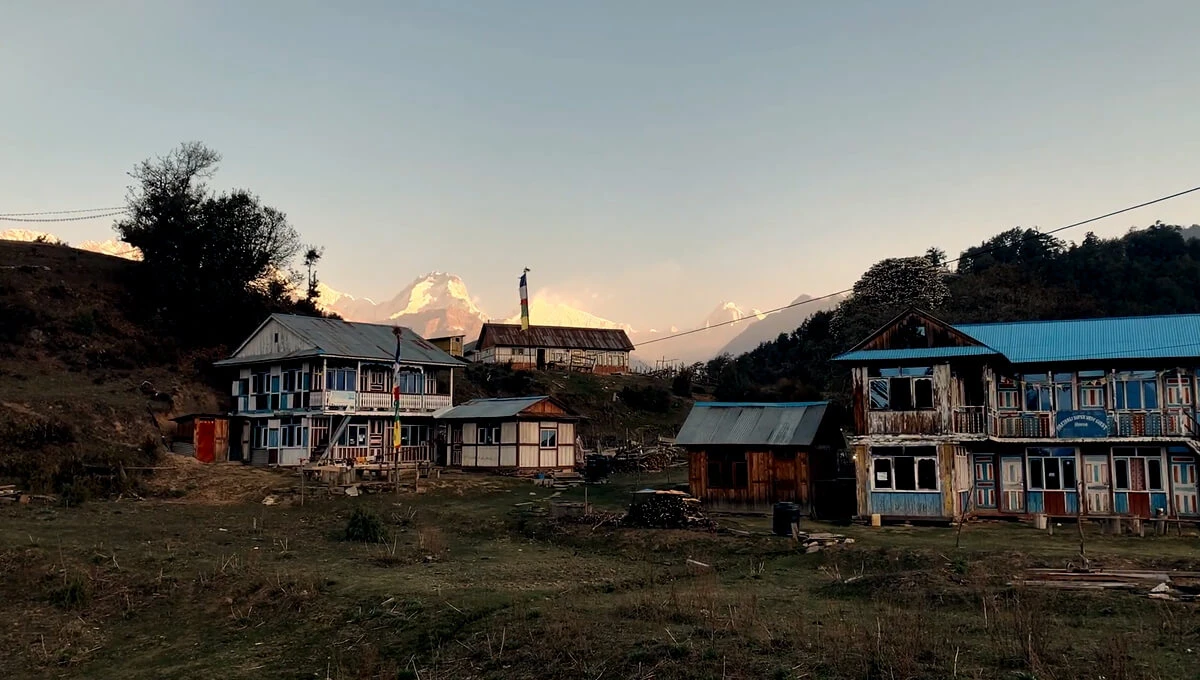
Hotel in Tamang Heritage Trail Trek
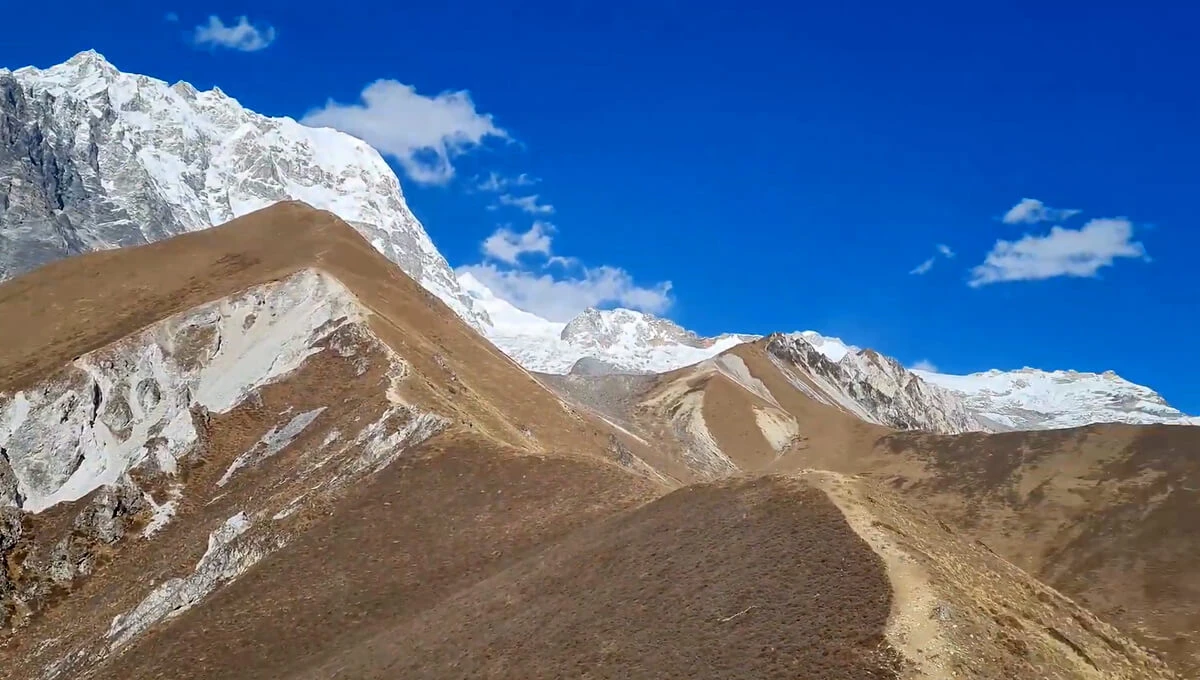
Tamang Heritage Langtang Valley Trek View

Tamang Heritage and Langtang Valley Trek - 14 Days

31 reviews in Trip Advisor
11 reviews in Google Reviews
Recommended by 99% of travelers
Duration
14 Days
Trip Grade
Moderate
Country
Nepal
Maximum Altitude
3,870 m (12,697 ft)
Group Size
1 - 15 Pax.
Starts
Kathmandu
Ends
Kathmandu
Activities
Trekking & Hiking
Best Time
Spring & Autumn

Trip Overview

The Tamang Heritage and Langtang Valley Trek in Nepal is an impressive journey that includes rich cultural experiences with breathtaking mountain landscapes. Starting your journey from Kathmandu, this trek takes you through traditional Tamang villages located in the Himalayan foothills, where you can immerse yourself in the local lifestyle, customs, and warm hospitality. 

As you reach higher points, the peaceful trails of the Langtang region offer you jaw-dropping views of snow-capped peaks, blooming rhododendron forests, and picturesque rivers. The Langtang Valley is renowned for its natural beauty and quiet surroundings, offering a chance to connect deeply with nature and local culture. 

The Tamang Heritage Trek offers a perfect opportunity to visit ancient monasteries, explore traditional stone houses, interact with the Tamang locals, and see colorful prayer flags along the way, as this place is mainly influenced by the Buddhist traditions. The whole joureny is not just about exploring Nepal’s hidden gems but an alternative choice from the crowded trekking routes. 

If you are someone more eager to know about the culture of this region, want raw mountain experiences, or are trying to spend quality time in the Himalayas, then in that case, the Tamang Heritage and Langtang Valley Trek might be a perfect choice for you. This trek is ideal for those looking to explore Nepal’s hidden gems and want an alternative trek from the busier trekking routes. 

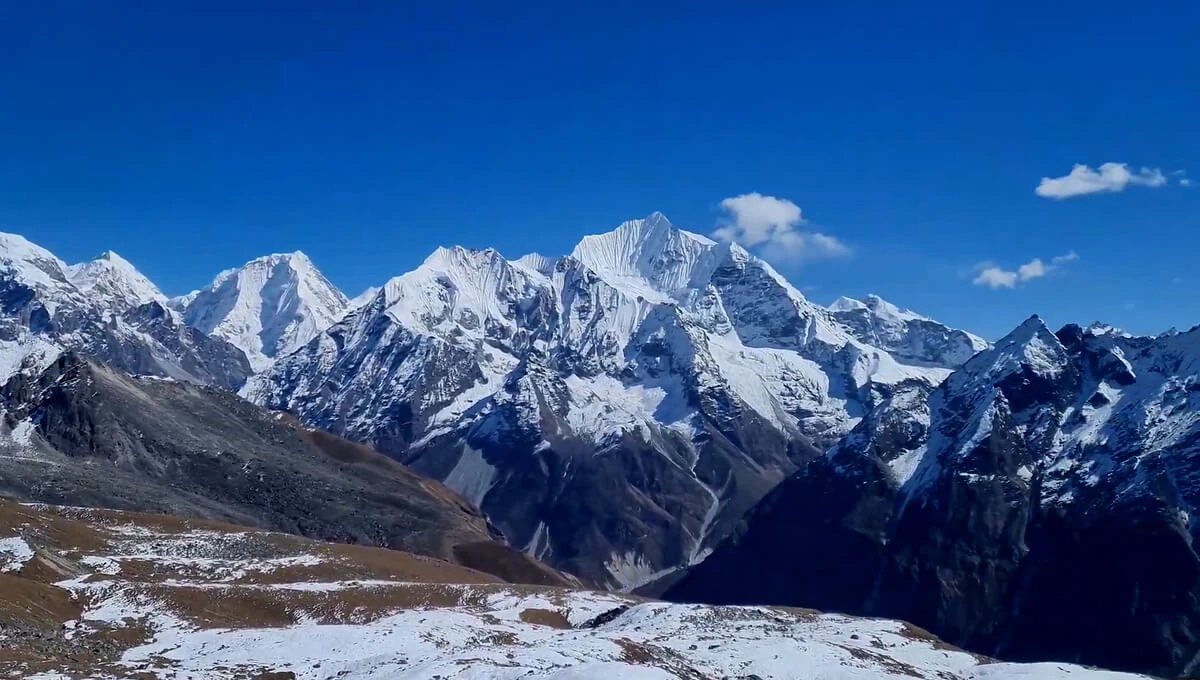
During your visit to the Langtang Village, you take a short climb to Kyanjin Gompa, one of the major highlights of the entire journey. Kyanjin Gompa is one of the most spiritual monasteries in the Langtang region, where you can explore this ancient monastery and witness the breathtaking views of Langtang Lirung and other nearby peaks. 

In conclusion, the Tamang Heritage and Langtang Valley Trek in Nepal offers a truly enriching experience that blends culture with jaw-dropping landscapes. From warm, welcoming Tamang communities to the serene beauty of the Langtang region, this 14-day journey is a perfect adventure for anyone. Whether it’s your first experience in Nepal, this trek helps to immerse yourself in the Himalayan beauty of this region. 

Major Highlights of the Trek

  • Explore ancient Buddhist monasteries, mainly Kyanjin Gompa, one of the most spiritual monasteries in the Langtang region.
  • Learn more about the Tamang people, immerse yourself in their rich culture, and interact with the local monks of the monasteries.  
  • Witness the breathtaking panoramic views of majestic peaks such as Langtang Lirung and other snow-covered mountains. 
  • Trek through the impressive Langtang Valley as you feel yourself surrounded by the snow-covered peaks. 
  • Pass through blooming rhododendron forests and vibrant flora. 
  • Stay at traditional Tamang villages and experience their authentic culture and warm hospitality. 
  • See unique architecture, traditional stone houses, and local festivals. 
  • Experience peaceful trails away from crowded trekking routes, and a perfect trek for nature lovers.

How Difficult is the Tamang Heritage and Langtang Valley Trek? 

The Tamang Heritage and Langtang Valley Trek is considered a moderate trek, making it suitable for both beginners and experienced trekkers who have a basic level of fitness. The trails are well-managed and do not require technical skills, but during your ascent, they can be physically demanding at times. 

One of the main reasons why this trek is easier is because of its steady pace and properly prepared itinerary. Throughout the trek, you will be walking for about 7 to 7 hours a day, with plenty of rest stops in traditional Tamang villages. These places offer you cultural insights as you will be staying at a local guest house, usually run by the locals of the area. 

The Tamang Heritage and Langtang Valley Trek does not require reaching extreme altitudes, but it is important to adjust to the higher areas. Proper training, required gear, and staying hydrated can make a huge difference to your trek. Overall, both these treks offer stunning views and cultural exploration, making them a perfect choice for those with a basic fitness level. 

What are the Must-Visit Places During the Tamang Heritage and Langtang Valley Trek?

The Tamang Heritage and Langtang Valley Trek is one of the most remote trekking areas, offering you stunning natural beauty and rich cultural sites. Along the trails, you can discover charming villages, ancient monasteries, and breathtaking mountain views. Below are the must-visit places that you can explore during your journey. 

Gatlang Village

The Gatlang Village is one of the most traditional Tamang villages known for its stone houses and friendly locals. The route includes passing through quiet streets, offering a glimpse into the Tamang lifestyle, customs, and major festivals. The village is located on a beautiful hill, offering peaceful surroundings and a perfect spot to experience authentic culture. 

Langtang Village 

The Langtang Village is the gateway to the Langtang Valley and the major cultural hub of this region. After the 2015 earthquake, the village has been rebuilt. Here, you can visit local shops, taste traditional foods, and enjoy the views of the towering peaks. This place serves as an ideal spot to rest and soak in the Himalayan atmosphere. 

Kyanjin Gompa 

Kyanjin Gompa is one of the small settlement areas, famous for its Buddhist monastery and cheese factories. The monastery offers you insights into the Tibetan Buddhist traditions, with a chance to appreciate the beauty of the Langtang Lirung and other snow-capped mountains. Exploring Kyanjin Gompa is one of the major highlights and a spiritual center of the Langtang region. 

Thuman Village

Thuman is the most authentic Tamang villages, well-known for its traditional style stone houses and terraced fields. The village is quiet and less traveled by trekkers, offering a genuine cultural experience. During your stay, you can see farmers working in the fields, children playing, and you will be offered a warm welcome by them. The place includes basic facilities with a simple mountain lifestyle and rich Tamang-influenced communities. 

Why Choose the Tamang Heritage and Langtang Valley Trek in Nepal?

The Tamang Heritage and Langtang Valley Trek is a perfect chance for someone wanting a blend of cultural immersion and natural beauty. This trek offers a unique experience away from the busier trekking routes, unlike other trails that are more crowded. This Tamang and Langtang Valley trek takes you through remote Tamang villages where you can connect with the local traditions and experience their Buddhist culture.

What really makes this trek special is the opportunity to pass through peaceful trails. The routes are surrounded by lush forests, alpine meadows, and spectacular views of the Himalayas, including peaks like Langtang Lirung. Along the way, you can visit an ancient monastery and stay in family-run guest houses, offering warm hospitality at higher altitudes. 

For those looking to explore Nepal beyond the popular routes, the Tamang Heritage and Langtang Valley Trek is the perfect choice. It offers you both adventure and chances for cultural encounters, making it ideal for travelers who want to experience real culture, scenic mountain landscapes, and quieter surroundings. 
Tamang Heritage and Langtang Valley Trek - 14 Days Itinerary

Start Point: Kathmandu
End Point: Kathmandu
Expand All

Today, you will arrive in Kathmandu, the capital city of Nepal, where one representative from our team will be there to pick you up. Then, you will take a drive through the streets of Kathmandu and head to your hotel. As you reach the hotel, you can check in and relax in your rooms. You may even take a short walk nearby and taste some Nepali food. Kathmandu is full of colorful streets, friendly people, historical sites, and religious temples, where you can always find something interesting to see. Tonight, you will stay at your hotel in Kathmandu and prepare for the adventure.

Max Altitude: 1,340 m (4,396 ft)Meals: Bed & BreakfastAccommodation: Hotel

On Day 02, you will be taking a scenic drive from Kathmandu to Syabrubesi after your morning breakfast at your hotel. The drive usually takes around 7 - 8 hours, which depends on the road and traffic conditions, as during peak times, there is high traffic along the way. The roads are bumpy and unmanaged at times, but the views you get to see make the drive worth it. As you drive higher, you can see the change in the landscape from tall buildings everywhere to more nature and green areas with impressive views of mountains from a distance. Reaching Syabrubesi, a small town with a peaceful atmosphere and comfortable facilities, offers a chance to explore the nearby areas.

Max Altitude: 1,560 m (5,118 ft)Meals: Breakfast, Lunch & DinnerAccommodation: Tea house

Today is your first day of trekking, as you make your walk from Syabrubesi to Gatlang, after breakfast at your guest house. The walking route includes an uphill climb, so be careful at times, as it can help you with more challenging trails in the coming days. Along the way, you pass through small settlement areas and beautiful forests, where you can see the locals farming and animals grazing in the fields. As you arrive in Gatlang, a small village influenced by Tamang communities, it offers you a chance to take a short walk around the area and enjoy the calm beauty of the surroundings.

Max Altitude: 2,238 m (7,342 ft)Meals: Breakfast, Lunch & DinnerAccommodation: Tea house

Today, you will leave from Gatlang to Tatopani, winding through dense forests, small streams, and small settlement areas. At times, the trail can be steep, so take your time to rest and maintain your pace for a more comfortable walk. As you ascend, the air becomes cooler, accompanied by a gradual change in the landscape. Reaching Tatopani, a beautiful place with natural hot springs, where you can get a relaxing experience. 

Max Altitude: 2,609 m (8,560 ft)Meals: Breakfast, Lunch & DinnerAccommodation: Tea house

After breakfast in Tatopani, you will start your trek towards Thuman, passing through Briddim and Nagthali. The trails include a gentle uphill climb, passing through peaceful forests and scattered houses, where you see locals engaged in their daily lives. As you reach Briddim, a small village with Tibetan-influenced culture, it offers a perfect place to rest and begin your next part of the trek. From Briddim, you continue your walk up to Nagthali, which can be steep but rewarding with amazing views of the Langtang and Ganesh Himal ranges. Then, from Nagthali, the trail goes downhill through rhododendron forests and open hills. After walking for about 5 - 6 hours, you finally reach Thuman, one of the traditional Tamang villages, offering a more relaxed atmosphere. 

Max Altitude: 2,348 m (7,704 ft)Meals: Breakfast, Lunch & DinnerAccommodation: Tea house

After your breakfast in Thuman, you begin your trek towards Timure, as today’s walk is mostly downhill, making it a bit easier for you. You will be passing through dense forests, terraced fields, and small villages along the way. While you move at a lower altitude, the air gets warmer, with a sudden change in the surroundings. After walking for about 4 to 5 hours, you reach Timure, a small village with historical importance. This place was once part of the trade route between Nepal and Tibet. You have chances to take a short walk around the villages or just relax and appreciate the beauty of the mountain. 

Max Altitude: 1,800 m (5,906 ft)Meals: Breakfast, Lunch & DinnerAccommodation: Tea house

On Day 07, you will be leaving Timure and reach Briddim. The trail includes passing through forested paths with some uphill sections, which can be tough. During the walk, make sure to maintain a steady pace and take breaks when needed. Along the way, you will be passing through peaceful forests, small streams, and scattered houses. Reaching Briddim, you might have chances to taste local foods and interact with the locals, as well as a chance to learn about their culture and way of living.

Max Altitude: 2,348 m (7,703 ft)Meals: Breakfast, Lunch & DinnerAccommodation: Tea house

On Day 08, you will be leaving from Briddim and reaching Lama Hotel. After breakfast, you start your walk, passing through dense forests filled with rhododendron and bamboo trees. You will be walking alongside the Lantang River, with a few settlement areas along the way. Walking for about 4 - 5 hours, you reach Lama Hotel, a quiet village with a fresh atmosphere and beautiful mountain views. This place serves as an amazing spot to relax and enjoy a warm, delicious meal. 

Max Altitude: 2,470 m (8,103 ft)Meals: Breakfast, Lunch & DinnerAccommodation: Tea house

Trekking from Lama Hotel to Langtang Village includes a bit tougher walk than before, but the views are more amazing. The trail follows alongside the Langtang River, walking through forests filled with pine and rhododendron trees. As you go higher, the landscapes open, with rocky hills and views of snow-covered peaks from a distance. Along the way, you pass through small settlements where you see yaks grazing and locals engaging in their daily work. As you reach Langtang Village, a peaceful mountain village with traditional stone houses and friendly locals of the Tamang community. If you have extra time, you can explore the villages, visit a local monastery, and relax in the peaceful atmosphere.

Max Altitude: 3,430 m (11,254 ft)Meals: Breakfast, Lunch & DinnerAccommodation: Tea house

Today’s trek is short but exciting, as you will be heading towards Kyanjin Gompa, one of the major highlights of the trek. After morning breakfast in Langtang Village, you will begin your walk, passing through small streams, prayer wheels, chortens, and colorful prayer flags fluttering in the wind. After walking for about 5 hours, you reach Kyanjin Gompa, a peaceful mountain village surrounded by stunning peaks, an ancient Buddhist monastery, and a small cheese factory where you can try yak cheese. This place offers you breathtaking mountain views, perfect for relaxing. 

Max Altitude: 3,870 m (12,697 ft)Meals: Breakfast, Lunch & DinnerAccommodation: Tea house

Today, you will return to Lama Hotel from Kyanjin Gompa. As the walk includes a downhill section, it passes through the same villages that you came through before. Along the way, you navigate through green rhododendron and pine forests, following alongside the Langtang River. After trekking for about 6 to 7 hours, you reach Lama Hotel, where you will spend your overnight at a guesthouse. This place offers you a perfect place to rest, eat warm meals, and recharge after a long day of walking. 

Max Altitude: 2,470 m (8,103 ft)Meals: Breakfast, Lunch & DinnerAccommodation: Tea house

Today is the final day of your trek, as you begin your walk from Lama Hotel to Syabrubesi, passing through the same trail you took earlier. You will be passing through the same lush forests of rhododendron, pine, and bamboo, alongside the Langtang River beside you. Walking for about 5 hours, you reach Syabrubesi, a small town where you began your journey. In the evening, you can take time to walk around the nearby areas and chat with other trekkers. 

Max Altitude: 1,560 m (5,118 ft)Meals: Breakfast, Lunch & DinnerAccommodation: Tea house

On Day 13, you will take a return drive to Kathmandu, passing through bumpy and narrow roads. Along the way, you can see flowing rivers, beautiful hills, and small settlements that make the drive more enjoyable. Today’s drive takes about 8 to 9 hours, depending on the road and traffic conditions. Once you arrive in Kathmandu, you will be directly dropped off at the hotel, where you can relax after the long drive. In the evening, you may even explore the nearby areas, buy souvenirs, and enjoy a delicious dinner at a Nepali restaurant. 

Max Altitude: 1,340 m (4,396 ft)Meals: Bed & BreakfastAccommodation: Hotel

Day 14 is all about the end of your Tamang Heritage and Langtang Valley Trek, as on this day, you will be transferred to the International Airport by one of our team representatives. As per your flight time, you can do last-minute shopping in Kathmandu. We hope you had a great adventure in the Langtang region, where you created unforgettable memories of the mountains, people, and culture of Nepal. Have a safe journey, and thank you for trekking with us. 

Meals: Breakfast
Let us help You Plan Your Perfect Holiday
Looking for a customized trip? Let us know your estimated holiday time, budget, travel style, etc. We will design an amazing personalized itinerary for you.

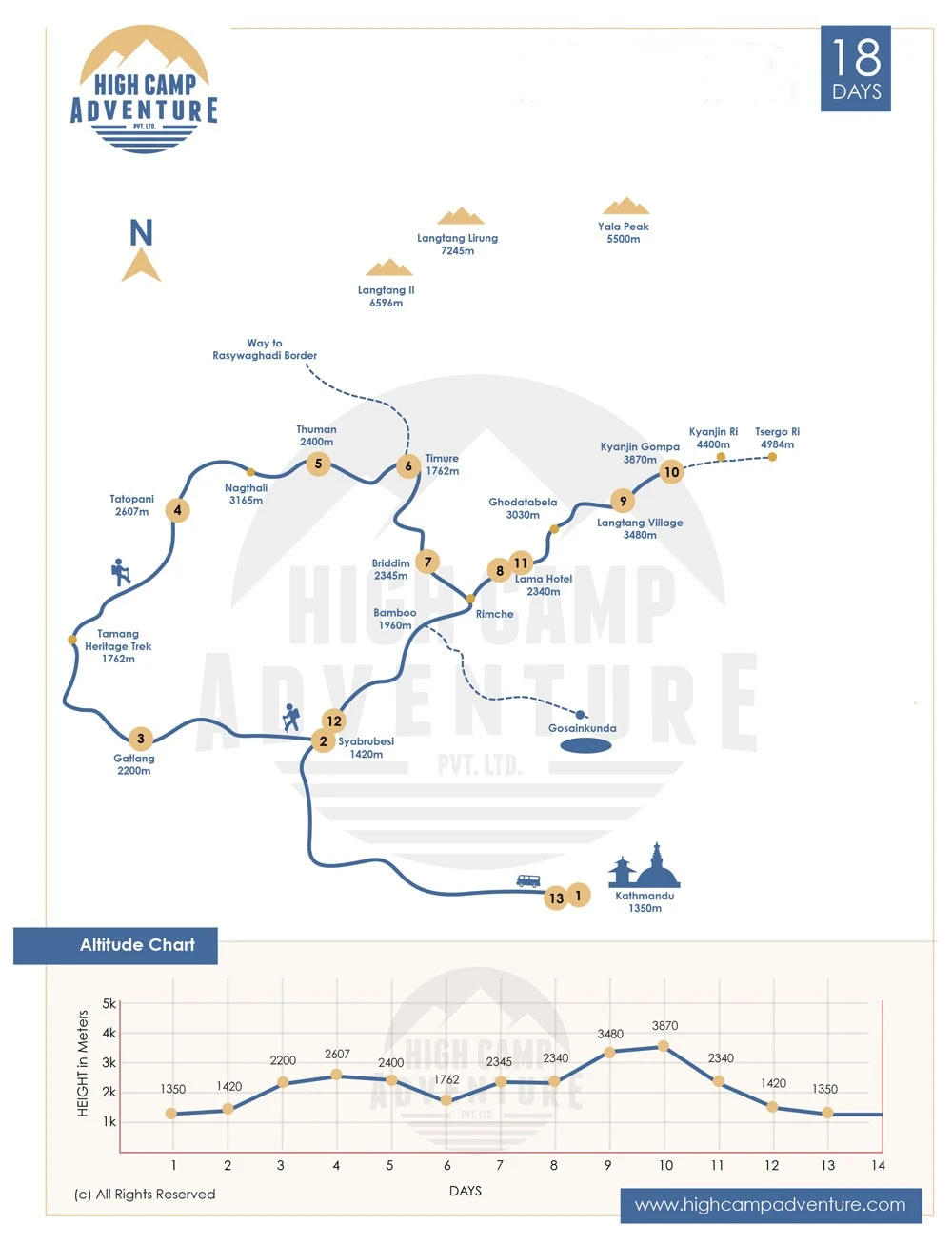
Route Map

Tamang Heritage Langtang Valley Trek Map

Cost Details

Includes

  • Pick up & Transfer to and from Tribhuvan International Airport (TIA) to your hotel in Kathmandu.
  • Two nights accommodation at 3-Star hotel in Kathmandu (breakfasts included).
  • Transportation as per the itinerary.
  • Tea-house lodging during the journey.
  • Standard Meals during the journey (breakfast, lunch, dinner).
  • Expert Guide (registered and licensed by the government) with accompanying porters (generally, one porter for every two clients). (High Camp Adventure covers the staffs’ meals and accommodations as well as wages, transport, insurance, and essential gear.)
  • Equipment (Sleeping bag, Down jacket, Walking poles).
  • Conservation Area and National Park entry fees.
  • Trekker’s Information Management System (TIMS) card.
  • Trekking Map.
  • Medical kit.
  • Government taxes.
  • Our service charge.
  • Farewell Dinner in Kathmandu the eve of your international departure.

Excludes

  • International plane ticket to and from Nepal.
  • Major meals in Kathmandu (other than breakfast).
  • Personal Expenses including laundry, telephone calls, bar bills, drinks and snacks.
  • Personal clothing and gear.
  • Travel Insurance.
  • Tips for Guides, Porters and Staff.
  • Expenses incurred by cancellation and events beyond our control, for example, weather delays, trail detours, political unrest, illness and et cetera.

Dates & Availability

Please take a look at our fixed departure dates for this trek. If they do not fit with your schedule, then please let us arrange an itinerary that is more suitable to you and your requirements.

Essential Information

Accommodation and Meals 

During the Tamang Heritage and Langtang Valley Trek, accommodation from Syabrubesi will be in a local guesthouse. These accommodations are small, family-run lodges that offer you basic yet comfortable rooms, usually with twin beds and shared bathrooms. As you reach higher, the accommodation gets simpler with limited amenities. During your stay at guesthouses, you are provided with warm blankets, but it is highly recommended to carry a sleeping bag. Though the facilities at higher altitudes are simple, the warm hospitality of the locals makes it even better throughout the trek. 

The meals for the Tamang Heritage Langtang Valley Trek include breakfast, lunch, and dinner, which are mostly provided at the local guesthouses. The meals at the guesthouses are delicious and fulfilling, with options like Dal Bhat, noodles, fried rice, soups, and momo. All the meals are prepared from local ingredients, with bread, eggs, porridge, and pancakes, with tea or coffee is served during breakfast. Though the menu is simple, they are enough to provide you with energy for long days of walking. 

Gear and Packing Essentials

Packing the right gear for the Tamang Heritage and Langtang Valley Trek is important for a comfortable and safe trekking experience in the Langtang region. Since the mountain weather can change rapidly, it is important to be prepared for both warm and cold nights. 

Clothing 

  • Moisture-wicking base layers (top and bottom)
  • Fleece or down jacket for warmth
  • Waterproof and windproof outer
  • Comfortable trekking pants and shorts
  • Quick-dry T-shirt and thermal innerwear
  • Lightweight gloves and a woolen hat
  • Sun hat or cap
  • A buff or a scarf for the wind
  • Undergarments (quick-dry)

Footwear 

  • Sturdy, broken-in trekking boost
  • Lightweight camp shoes and sandals
  • Gaiters 

Backpack and Bags

  • Daypack (25 - 35L) with rain cover
  • Duffle bag 
  • Dry bags or plastic bags to keep clothes dry

Personal Items and Toiletries

  • Toothbrush, toothpaste, biodegradable soap
  • Small towel and wet wipes
  • Sunscreen with SPF 
  • Lip Balm with SPF 
  • Hand sanitizer 
  • Toilet paper 

First Aid and Essential  

  • Personal medications 
  • Basic first aid kit
  • Water purification tablets ot a filter bottle
  • Altitude sickness medication
  • Headlamp with extra medications 
  • Power bank 

Permits Required for the Trek

Obtaining the required permits for the Tamang Heritage and Langtang Valley Trek includes two major permits. First is the Trekkers Information Management System (TIMS) Card, and second is the Langtang National Park Entry Permit. All these permits must be obtained through a registered trekking agency in Kathmandu. 

Trekkers Information Management System (TIMS) Card 

The Trekkers Information Management System (TIMS) Card is one of the essential permits required for all trekkers in Nepal. The main objective of this permit is to ensure safety and keep a record of your trek during emergencies. This permit must be obtained through a registered trekking agency in Kathmandu, as you need a copy of your passport and a passport-sized photo to apply for this permit. Make sure to carry this card as it is checked at various points along the trail. The TIMS Card can easily be registered online from the Nepal Tourism Board website. 

Trekkers Information Management System (TIMS) Card Fees

  • NPR 2,000 for international trekkers 
  • NPR 1,000 for SAARC Nationals 

Langtang National Park Entry Permit 

As the Tamang Heritage and Langtang Valley Trek includes passing through the Langtang National Park Area, you need to obtain the National Park Entry Permit. This permit helps to protect the natural environment and wildlife of the region. Make sure to obtain this permit before your journey, as it is checked at various points of the park. The National Park Area Permit can easily be obtained through a registered trekking agency from the Nepal Tourism Board | National Tourism Organization of Nepal in Kathmandu. 

Langtang National Park Entry Permit Fees

  • NPR 3,000 per person per entry for Foreigners 
  • NPR 1,500 per person per entry for SAARC Nationals 
  • NPR 100 per person per entry for Nepali Citizens 
  • Children below the age of 10 years free

Best Time to Do Tamang Heritage and Langtang Valley Trek

The Tamang Heritage and Langtang Valley Trek can be done throughout the year, but the experience changes with each season. The best time for the Langtang Region trek depends on the weather, visibility, and experience. Below are what you can expect in each season. 

Spring (March to May)

Spring is one of the best times for the trek, as the weather is warm, the skies are usually clear, and the trails are filled with blooming rhododendron trees. During this time, you are treated to snow-covered mountains, especially in the morning. Spring is considered the most popular time for this trek. 

Summer (June to August)

Summer brings monsoon, with heavy rain, leeches on the trail, and slippery paths. During this time, the mountain views are often blocked by heavy clouds, and chance of possible delays. However, summer rewards you with lush and green landscapes, making the walk more peaceful and vibrant. This season attracts fewer trekkers, as many of them consider it off-season for trekking because of the wet and muddy conditions along the way. 

Autumn (September to November)

Autumn is considered the best season for the Tamang Heritage and Langtang trek. As the season starts after the monsoon, the air is clear, the skies are more beautiful, and the views of snow-covered mountains are more incredible. During this time, the weather is cool and stable, making it perfect for trekking. Many major festivals are aligned in this season, so you might have chances of local cultural experiences. 

Winter (December to February)

Winter is the preferred time for the Tamang Heritage and Langtang Valley Trek, as it offers you clear skies and quiet trails, with sudden temperature drops, especially at higher altitudes. During this time, snow can block some parts of the trail, but the trek is still doable. This is a great time for those who enjoy solitude and snow-covered landscapes. 

Physical Fitness and Experience 

The Tamang Heritage and Langtang Valley Trek is considered a moderate-level trek, suitable for trekkers with a basic level of fitness. You will be walking for about 4 to 7 hours per day, depending on the terrain and uphill sections. For this Langtang region trek, there is no need for previous high-altitude trekking experiences, but be sure that you can handle long walking each day at higher elevations. For trekkers with a good fitness level, proper mental and physical strength, they can enjoy this trek. Some who are beginners can complete the trek easily with an experienced guide. 

Safety Tips for the Tamang Heritage Langtang Valley Trek

The Tamang Heritage and Langtang Valley Trek is a rewarding journey through remote villages, forests, and mountain landscapes. While this trek is considered a moderate level, following safety tips, especially at higher altitudes, can be helpful. Below are some essential safety tips to keep in mind during the trek. 

  • Make sure to allow your body to adjust to higher altitudes. 
  • Drink enough water and keep yourself hydrated throughout the day. 
  • Know the symptoms and inform your guide immediately if you feel unwell. 
  • Use good trekking shoes, layered clothing, and waterproof outerwear, as mountain weather can change quickly. 
  • Always follow your guide’s instructions, especially on remote trails. 
  • Carry a basic first aid kit with items like bandages, blister care, painkillers, and any personal medications. 
  • Avoid alcohol and smoking at higher altitudes, as they can increase the risk of altitude sickness. 
  • Always carry a TIMS Card and all the mandatory permits, as it is checked along the way. 
  • Ensure that travel insurance includes high altitude trekking and helicopter evacuation during emergencies. 

Travel Insurance 

Travel insurance is highly recommended for the Tamang Heritage and Langtang Valley Trek. While the trek is moderate, it takes you through remote mountain areas with limited medical facilities. Your insurance should cover emergency medical help, trip cancellations, lost luggage, and, mainly, helicopter evacuation in case of emergencies. Ensuring travel insurance is one of the important parts of the trek that can make a huge difference if something unexpected happens on the trail. 

Need Help? Call Us+977 9851031822