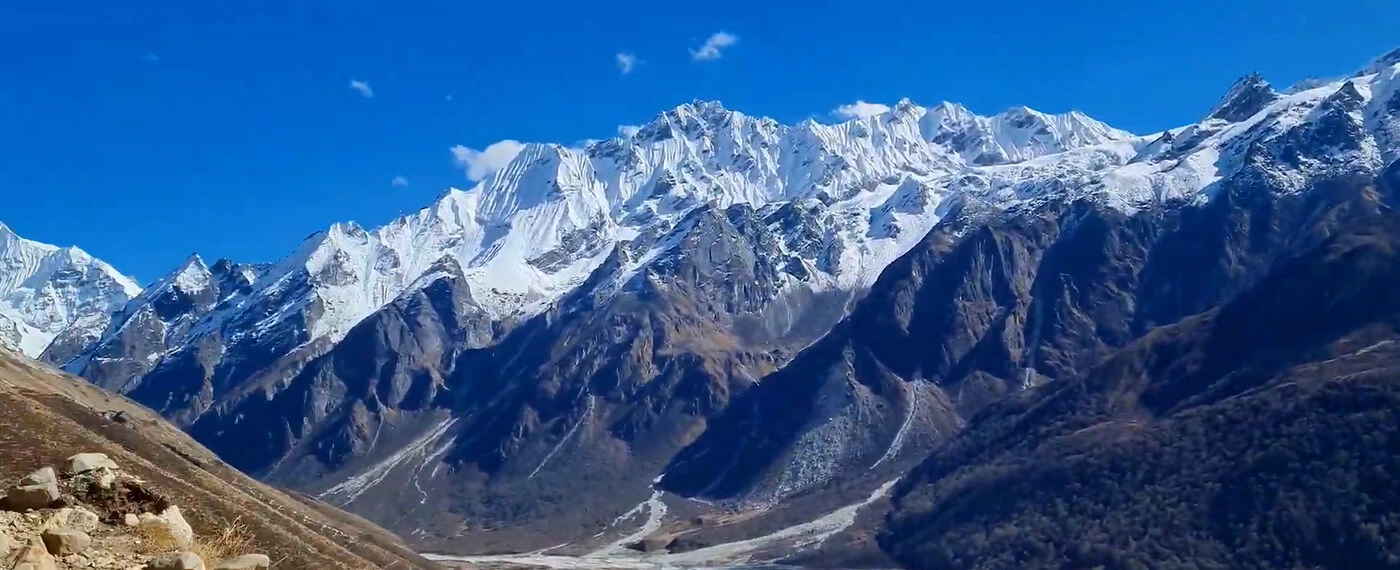

Overview of Langtang Region Trek
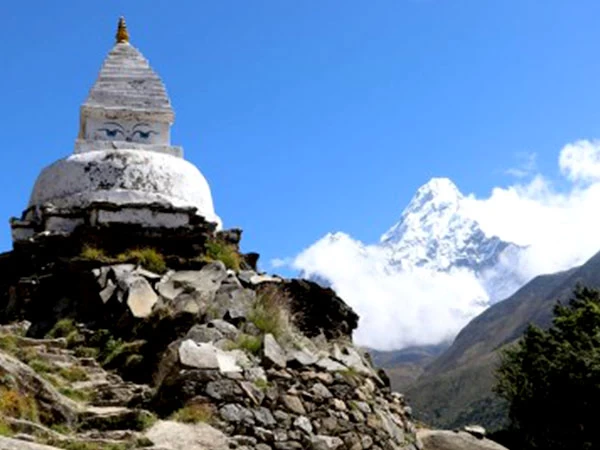
The Langtang Region is one of Nepal’s most beautiful and easily accessible trekking areas, located just north of Kathmandu. This region is well-known for its stunning mountain views, peaceful valleys, and deeply rooted Tamang culture. Known for its quieter and off-the-beaten-path experience compared to Everest or Annapurna, this region is home to Langtang National Park, high alpine lakes such as Gosaikunda, and impressive peaks like Langtang Lirung. Whether you are a beginner or an experienced trekker, Langtang has something for each type of hiker.
In this blog, you will learn about some of the most impressive viewpoints in the Langtang region. Throughout the trek, you can appreciate the beauty of unforgettable mountain views and dramatic landscapes. This blog also covers useful tips on how to make your hike worth it, types of accommodation provided, and the best time of the year.
What are the Best Viewpoints to Catch the Stunning Views in this Region?
The Langtang Region is home to some of the most impressive highland viewpoints in Nepal. These spots offer breathtaking views of snow-covered peaks, glacier valleys, and deep alpine forests, as each of the viewpoints gives you a different perspective of the Himalayan range.
Kyanjin Ri (4,773 M)
Kyanjin Ri, the most popular viewpoint in the Langtang Valley, is located just above the village of Kyanjin Gompa. The journey is short but steep, taking about 2 to 3 hours, and passing through rocky slopes. During the hike, you are offered panoramic views of the surrounding glaciers and towering peaks. Kyanjin Ri is well-known for its sunrise views and is a perfect choice for acclimatization before moving to higher altitudes. This viewpoint offers you some of the clearest looks into the Langtang Valley and the best opportunity to witness the beauty of this region.
Peaks Visible from Kyanjin Ri
- Langtang Lirung (7,227 m)
- Yala Peak (5,732 m)
- Naya Kanga (5,884 m)
- Langshisa Ri (6,427 m)
Tsergo Ri (4,984 M)
Tsergo Ri, one of the short hike viewpoints in the Langtang region, is popular for its amazing views of snow-covered mountains, which are easily seen from a distance. The hike takes about 4 hours to reach Tsergo Ri from Kyanjin Gompa. The trail is tough and steep, offering 360-degree views of snow-capped Himalayan peaks. During clear days, the views of Shishapangma make the journey even more rewarding.
Peaks Visible from Tsergo Ri
- Langtang Lirung (7,227 m)
- Shishapangma (8,027 m)
- Dorje Lakpa (6,966 m)
- Yala Peak (5,732 m)
- Ganchenpo (6,387 m)
Lauribina Pass (4,610 M)
The Lauribina Pass is the main point connecting the Gosaikunda Lake trail to the Helambu regionand is better known for its stunning viewpoint. The Pass offers broad views of different mountain ranges, especially during early morning, when the weather is clear. As you near the pass, the scenery changes quickly with pine forests and rocky paths along the way. The pass is also considered a spiritual area, as trekkers cross this pass to reach the sacred lake of Gosaikunda.
Peaks Visible from Lauribina Pass
- Ganesh Himal (7,422 m)
- Langtang Lirung (7,227 m)
- Dorje Lakpa (6,966 m)
Gosaikunda Ridge (4,400 M)
Located just above the Gosaikunda Lake, this ridge treats you to stunning mountain views. The hike is a short walk from the lake, where you are offered the dramatic angle of the lake below with towering Himalayan peaks in the background. The views are even more jaw-dropping during sunrise and sunset when the mountain reflects on the surface of the lake. For anyone wanting a short hike, the Gosaikunda Ridge can be an ideal choice for them.
Peaks Visible from Gosaikunda Ridge
- Dorje Lakpa (6,966 m)
- Langtang Ri (7,205 m)
Sing Gompa (3,330 M)
Sing Gompa, also known as Chandanbari, is a peaceful stopover on the Gosaikunda route. While this viewpoint is not too high, the place still offers you mesmerizing views of forested hills and some distant snowy peaks. Sing Gompa is surrounded by pine and rhododendron forests, and is especially known for its peaceful monastery and traditional cheese factory. This spot serves as both a cultural and scenic resting point along your way.
Peaks Visible from Sing Gompa
- Langtang Range
- Ganesh Himal (7,422 m)
Nagthali (3,165 M)
Nagthali is a serene and scenic viewpoint located above the Tamang villages of Thuman and Timure in the Langtang Region. This spot lies along the Tamang Heritage Trail and is one of the most rewarding and accessible points in the area. The climb to Nagthali from Thuman takes around 2 to 3 hours, passing through peaceful forests of oak and rhododendron. As you reach the top, you are rewarded by the wide-open views of the Himalayas with a small, peaceful monastery.
Peaks visible from Nagthali
- Langtang Lirung (7,227 m)
- Ganesh Himal (7,422 m)
- Langtang Ri (7,205 m)
Ghoda Tabela (2,970 M)
The Ghoda Tabela is one of the impressive and restful stops along the Langtang Valley Trek, located between Lama Hotel and Langtang Village. To reach Ghoda Tabela, the trail includes navigating through dense pine and rhododendron forests, where you pass alongside the Langtang Khola. As you near, the scenery opens up, rewarding you with panoramic views of Langtang Lirung and other snow-covered peaks from a distance.
Peaks Visible from Ghoda Tabela
- Langtang Lirung (7,227 m)
Ganja La Pass (5,130 M)
Ganja La Pass, one of the most challenging high altitude mountain passes, located in the Langtang Region, is the toughest section of the entire journey. Situated at an altitude of 5,130 meters, this pass is known to connect two regions, the Langtang and Helambu regions, offering the beauty of towering mountains. The ascent to Ganja La includes traversing through glacial moraines, rocky ridges, and snow-covered slopes. As you cross this pass, you are treated to the unspoiled landscape, beauty, and sweeping views of the Langtang Himalayas.
Peaks Visible from Ganja La Pass
- Langtang Lirung (7,227 m)
- Dorje Lakpa (6,966 m)
- Ganchenpo (6,387 m)
- Yala Peak (5,732 m)
Langshisa Kharka (4,280 M)
Considered as one of the most remote and high altitude spots in the Langtang Valley, Langshisa Khakara is the best place to witness the beauty of towering Himalayan peaks and dramatic glacial landscape. Located at an elevation of 4,280 meters, the journey is about 5 to 6 hours on both sides from Kyanjin Gompa. The hike passes through picturesque river valleys and glacier moarines, where you feel yourself standing in the vast alpine landscape. Langshisa Kharka is mostly surrounded by majestic peaks and glaciers, mainly Langshia Glacier.
Peaks Visible from Langshisa Kharka
- Dorje Lakpa (6,966 m)
- Gangchempo (6,387 m)
- Pemthang Karpo Ri (6,830 m)
How are the Facilities of Accommodation during this trek? Are there enough teahouses on the way?
During the trek, the accommodation is mostly in basic teahouses. Most of the accommodations along the route offer a small yet comfortable place to eat and rest. The rooms are basic, with twin beds, blankets, and a shared bathroom, especially at higher altitudes. During your stay at lower places, you might get hot shower facilities or even Wi-fi at an extra cost, but meals and a good place to stay are provided throughout the journey.
Ascending to higher altitudes, the options get more basic and limited, but in bigger villages like Kyanjin Gompa, the facilities are more extensive with better accommodations. Camping Equipment is not required for the Langtang region trek due to the facilities of teahouses in most of the area, but if you plan to stay at remote areas like Ganja La Pass or Langshisa Kharka, it might be needed, due to no teahouses available.
The teahouses along the trails offer you a great place to have your dinner, as they provide you small dining area where you gather, eat, and interact with the trekkers from worldwide. Making your stay at the teahouses offers to even interact with the locals of the area and explore the locations nearby. Throughout the Langtang Region trek, the accommodation provided is cozy, affordable, and a perfect way to experience the warm hospitality of the locals.
What Can We Expect on Each Season?
The Langtang Region can be visited throughout the year, but some special seasons can be more enjoyable. The best times for trekking this region are Spring (March to May) and Autumn (September to November) when the weather is clear and stable.
Spring Season (March to May)
Spring is preferred as the best time for this trek, offering you warm weather during the day, clear skies, and jaw-dropping views of the mountains, which are even more impressive. Journey at these times makes it easier to navigate with memorable experiences because of the blooming rhododendron forests along the routes. Trails can be busy, but the scenery is more dazzling with comfortable temperatures, making it a great time to take a short hike to the viewpoints of the Langtang region.
Autumn Season (September to November)
For those who missed the spring for this region trek, autumn might also be the month, as they can get a better experience of trekking. As the season usually starts after the monsoon, the air is crisp with fresh atmosphere, clear skies, and amazing views of nearby mountains. Autumn is known to be a perfect time for trekking; however, this can be tough with limited facilities and accommodations, due to heavy crowds. One of the major highlights of this season is the major festivals of Nepal aligning during these months, like Dashain and Tihar, helping make your journey even more special.
Winter Season (December to February)
Winter is cold but peaceful, due to fewer trekkers along the trails. However, in this month, most of the teahouses at higher altitudes are closed due to heavy snow, while high passes like Ganja La Pass may be tough to navigate or even closed. Still, if you have prior experiences, winter can be the time to witness the beauty of the Langtang region with snow-covered trails and crystal-clear skies.
Summer Season (June to August)
Summer is not the perfect time for this trek, due to heavy rainfall, especially at lower altitudes. As summer aligns with monsoon, this months experience heavy rainfall, making the trail slippery and increasing the chances of a landslide. At this time, the trails are mostly empty with fewer trekkers reaching lower altitudes.
Safety Tips that Can Help You Have a Comfortable Trek to Langtang Valley
Before you head onto higher altitudes, make sure to adjust properly at lower elevations and include rest days in your itinerary for a safe and enjoyable journey.
- Drink plenty of water every day, as dehydration can create problems with altitude sickness.
- Pack warm clothes for cold nights and bring a good quality down jacket, hat, gloves, and thermal wear.
- The weather can change rapidly in higher areas, so check the weather forecast before starting your trek in the morning.
- Be sure to obtain all the required permits before leaving from Kathmandu. All the necessary ones can be easily obtained from the Nepal Tourism Board Office through a registered trekking agency.
- Hire an experienced guide and a local porter, as they can help with proper navigation and ensure your safety throughout the Langtang region trek.
- Respect the local culture of this region and ask for permission before taking photos of locals or monasteries.
- Carry a basic first aid kit and your personal medications.
- Make sure to avoid using shortcuts and always stay on marked trails to prevent getting lost along the trails.
Frequently Asked Questions (FAQ’s)
- Which are the best viewpoints in the Langtang region?
As per many trekkers, the most popular and highest viewpoint is Tsergo Ri (4,984 m), offering a stunning 360-degree view of the Langtang range, Shishapangma, and many other snow-covered peaks.
- Is Tsergo Ri a harder viewpoint to reach compared to others?
Yes, Tsergo Ri is one of the toughest viewpoints because of the steep climb and high altitude terrain. However, the hike is worth it because of the stunning panoramic views of snow-covered mountains.
- Are there any alternative viewpoints that can be easily reached during the Langtang region trek?
Yes, the Langtang Region offers you a wide range of viewpoint options that can be easily reached. But among them, the Gosaikunda Ridge and Nagthali are the most easily reached spots with impressive views. The Gosaikunda Ridge is famous for its sunrise view over the sacred lake, whereas Nagthali is perfect for peaceful and wide views of Langtang and Ganesh Himal.
- Can I get to see mountain views from a lower altitude, too?
Yes, from places like Cholangpati and Sing Gompa, you can get views of distant snowy peaks like Ganesh Himal and Langtang Lirung, making it a great spot for easier and shorter hikes.
- Do I need to obtain any special permits so that I can visit these major viewpoints?
For the Langtang Region Trek, you need to obtain a Trekkers Information Management System Card (TIMS) and a Langtang National Park Entry Permit. These permits can easily be obtained through a trekking agency in Kathmandu.
- Is it possible to reach all the viewpoints in one trek?
Reaching all the viewpoints in one trek is not possible, but you can combine all the treks in one if you have extra days.
- What is the best time to visit these viewpoints?
The best time to visit these viewpoints is during Spring (March to May) and Autumn (September to November), offering clear skies, great mountain visibility, and moderate temperatures.
Conclusion
The Langtang region is a tough adventure, but it can be rewarding to those wanting a different perspective of the Himalayas. Whether you are for a tough climb to Tsergo Ri or prefer easier spots like Gosaikunda Ridge or Nagthali, the Langtang region has something for every kind of trekker. These viewpoints give you a chance to see towering peaks, peaceful valleys, and sacred lakes all in one trip. But make sure to prepare well, respect the local culture, and take your time to enjoy the breathtaking scenery.