Introduction to Everest Base Camp in March
Everest Base Camp Trek is a popular journey for travelers worldwide who want to get close to Mount Everest, the tallest mountain on Earth. Located in Nepal’s Khumbu region, the trek takes you through beautiful mountain trails, charming Sherpa villages, and old Buddhist monasteries, offering a truly memorable journey in the Himalayas. This EBC journey is more than a physical trek, but a chance to learn about culture and feel the spirit of the Himalayas.
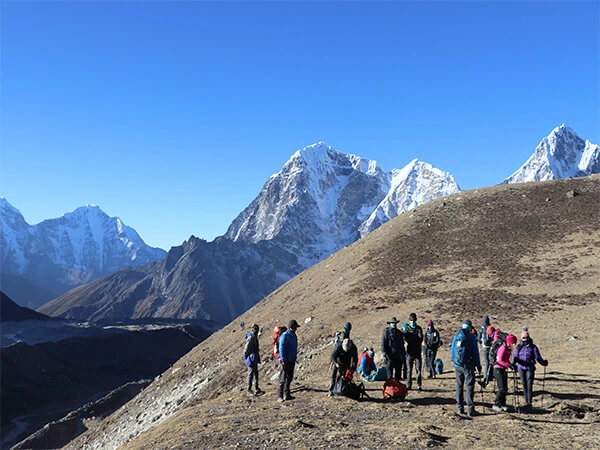
March is an ideal time for trekking to EBC because the weather starts to get warmer after winter. The skies are often clear, showing amazing views of snow-capped peaks such as Everest, Lhotse, and Ama Dablam. The trails are less crowded than during the peak season, giving you a more peaceful and relaxing experience. As you trek, you begin to see the first signs of spring as rhododendrons start blooming along the trail. Although the nights are cold, the clear air and mesmerizing views make March a great time to start the trek.
What are the major highlights of doing the EBC Trek during March?
The Everest Base Camp (EBC) trek during March is a popular choice for adventurers exploring the Himalayas in the early spring. Below are the reasons, make March an ideal time to experience the Khumbu region's natural beauty and rich culture.
- In March, the skies are clear, giving outstanding views of the mountains, ideal for taking photos and exploring.
- Compared to peak seasons, the trekking route is less crowded, offering a more peaceful and personal journey.
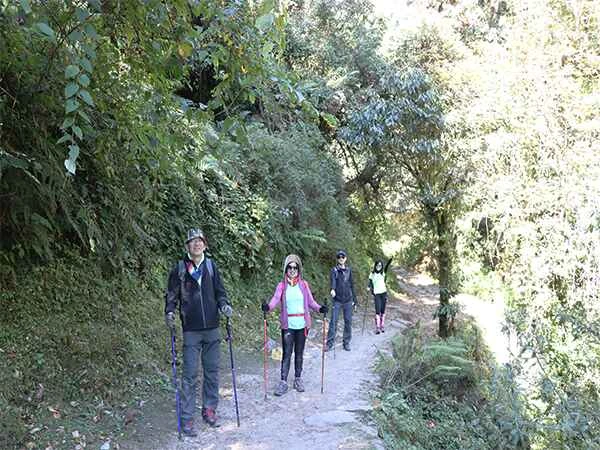
- Rhododendron blooms during this time, adding bright colors to the trails.
- After the cold winter, daytime temperatures get warmer after winter, making the trek more comfortable.
- You can visit Sherpa villages and monasteries without any tourists, making it easier to experience the culture.
- Flights to Lukla are better in March because there is less snow than in winter.
- Moderate temperatures in March support safer and easier acclimatization to high altitudes.
- The air in the mountains is fresh and clean, making the trek more enjoyable.
Is March a Good Time to Embark on the Everest Base Camp Trek?
March is an excellent time to start the Everest Base Camp trek as the weather begins to warm, skies are clear, and trails are crowded, offering a peaceful and scenic trekking experience in the early spring. Before the actual spring comes, March makes the trails less crowded so that you can enjoy a calm and peaceful trek. You can also witness the blooming rhododendrons along your trekking route.
It is important to keep in mind that nights remain very cold, especially at higher altitudes such as Everest Base Camp. There may still be some snow and ice on the trail, so make sure you have the right gear with essential preparation. Overall, trekking to Everest Base Camp in March is perfect for those seeking breathtaking mountain views, fewer people, and the beauty of early spring in the Himalayas.
Cons of Trekking to EBC in March
Trekking to Everest Base Camp in March has many advantages, but there are also a few challenges to keep in mind. Understanding the potential risks can help you prepare better for a safe and enjoyable journey. Below are some of the cons of trekking to EBC in March.
- Temperatures might fall sharply at night, especially at higher altitudes such as Everest Base Camp.
- Some parts of the trail can still be slippery because of snow and ice patches.
- The weather in the mountains can change quickly, sometimes bringing snow or strong windstorms.
- Limited vegetation because plants are only beginning to grow, compared to later in spring.
- Before the peak seasons, some teahouses might be closed or have limited services before the busy season starts.
- Even though March is better than winter, some flights to Lukla may still be delayed due to unpredictable weather.
- Days are shorter than later spring, providing less trekking time daily.
Are there any Nepali festivals that take place in March during the Everest Base Camp Trek?
Yes, March includes some colorful Nepali festivals, adding rich cultural experiences to your Everest Base Camp Trek. Taking part in these festivals along the trail allows trekkers to experience local customs, enjoy vibrant events, and build connections with Sherpa and other Himalayan communities.
Holi (Festival of Colors)
Holi, one of Nepal’s most famous festivals and usually takes place in early to mid-March. This festival is celebrated for the arrival of spring and the victory of good over evil. In the lower region, such as Kathmandu and Lukla, people celebrate Holi by throwing colored powder and water, dancing, and sharing sweets and drinks. Though Holi is not widely celebrated in the high Himalayan villages, trekkers passing through the lower regions can experience this lively festival.
Mahashivatri
Maha Shivaratri, which means “The Great Night of Shiva,” is a big Hindu festival in Nepal, usually falling in late February or early March. This festival is mostly dedicated to Lord Shiva, one of Hinduism’s most important deities, which is mainly celebrated in lower altitudes like Kathmandu and Pokhara, especially in Pokhara. Even though most people in the Everest region follow Buddhism, you might still see small celebrations or hear people talk about the festival.
Ghode Jatra
Ghode Jatra, also known as the “Festival of Horses,” is a traditional festival celebrated mainly in Kathmandu, usually in March or April. The festival includes horse races, cultural shows, and parades to scare away evil spirits and bring good luck to the city. Although this festival is unique to Kathmandu and not observed in the Everest region, trekkers beginning their journey may have the opportunity to experience the lively events before their trek. Ghode Yatra gives trekkers a great chance to see Nepali culture and traditions before they start their journey.
Tips for Trekking to Everest Base Camp in March
Trekking to Everest Base Camp (EBC) in March is a rewarding experience, as this time is known to be spring in Nepal. During this time, the favorable weather offers clear skies and stunning views of the snow-capped Himalayas. Below are some of the tips for trekking to Everest Base Camp in March:
- Bring warm clothes, especially during March, as the night temperatures can be cold at higher altitudes.
- Start your trek early, mostly during a clear morning, as there is less risk of snow and clouds.
- Make sure to acclimatize properly and maintain your walking pace.
- Before your trek, make sure to build stamina with short hikes and strength training.
- Consult your doctor before using Diamox, as it can help you prevent altitude sickness.
- Layer smartly with base layers, fleece, a down jacket, and a waterproof outer shell.
- Use trekking poles, as they can help you balance properly, especially on snowy or steep sections.
- Bring power banks, as charging is expensive at teahouses.
- Be ready to face challenging routes at times.
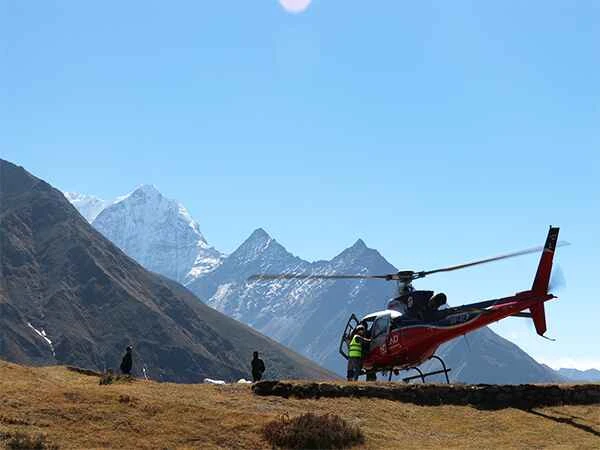
- Make sure to have travel insurance which includes high-altitude trekking and helicopter evacuation.
- Hire guides and porters, as they enhance your trekking experience.
- Be mentally prepared for the challenging conditions.
- Respect the environment and the local traditions of the area.
Gear and Packing Required for the EBC Trek in March
Trekking to Everest Base Camp in March offers you clear skies, fewer crowds, and cold, changing weather, especially above 4,000 meters. Proper packing can help you stay warm, dry, and ensure safety on the trail. Below are some of the essential gear and packing required for the EBC Trek in March:
Clothing
- Base layers (moisture-wicking thermal tops and bottoms)
- Insulating layers (fleece of a lightweight down jacket)
- Heavy down jacket (for cold nights and high altitudes)
- Waterproof shell jacket and pants (windproof and breathable)
- Trekking pants (insulated)
- Warm hat or beanie (for cold nights)
- Buff or neck gaiter (for warmth and dust)
- Sun hat or Cap (for sunny daytime trekking)
- Gloves
- Warm socks
- Sleepwear
Footwear
- Trekking boots (sturdy and waterproof)
- Camp shoes or sandals
- Gaiters (helpful for snow and mud)
Gear and Equipment
- Backpack (30-50 L)
- Daypack (15-20 L)
- Sleeping bag (rated for cold nights)
- Trekking poles
- Headlamp (with extra batteries)
- Water bottles or insulated bottles
- Water purification tablets
Toiletries and Personal Items
- Toilet paper and wet wipes
- Hand sanitizer and soap
- Sunscreen (SPF 50+)
- Lip balm with SPF
- Toothbrush and Toothpaste
- Moisturizer
- Quick-dry towel
- Basic first aid kit
- Power bank
- Charging cables and adapters
Conclusion
Trekking to Everest Base Camp in March offers a perfect balance, with breathtaking spring views, fewer crowds than peak season, and crisp mountain air. While the colder temperatures can be challenging, especially at night, proper preparation, layering, and acclimatization make it safer with an unforgettable experience. Along the way, the blooming rhododendron forests and snowy peaks can make March the best time to embark on the EBC journey. Make sure to pack wisely, trek mindfully, and be careful with each step of this iconic Himalayan journey.