Accommodation
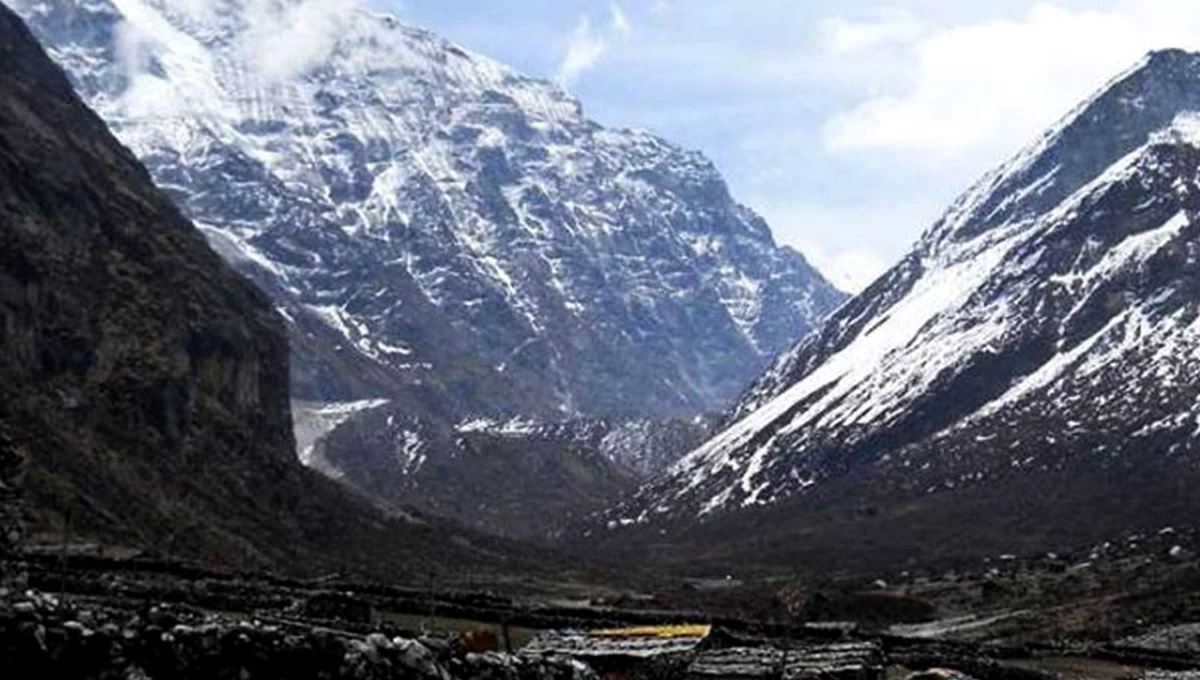
For the Rolwaling Tashi Laptsa Pass Trek, accommodation depends on the altitude and location you reach. In the higher regions, such as near glaciers and the Tasho Laptsa Pass, trekkers stay in well-equipped tented camps, offering basic comfort and stunning Himalayan views. At lower elevations, including Monjo and Lukla, accommodation is provided in simple teahouses, which are run by the local families. While the facilities are basic, they are enough for warmth, shelter, and serve as a cosy place after long trekking days.
Meals for the Trek
Meals during the Rolwaling Tashi Laptsa Pass Trek include a mix of delicious and fulfilling food. In the higher camps, you are served with hot, nutritious meals including rice, noodles, soups, and lentils, which are cooked by the team crew. Similarly, at lower elevations, like Monjo and Lukla, breakfast, lunch, and dinner are provided, offering a wide variety of Nepali and continental dishes. Tea, coffee, and hot drinks are also widely available, which help you keep warm and energised throughout the trek.
Trekking Crew
The Rolwaling Tashi Laptsa Pass Trek is supported by a professional trekking crew to ensure safety, comfort, and smooth logistics. The team usually includes an experienced guide, assistant guides, local porters, and cooks. The guides are experienced and licensed ones who help you with proper navigation, altitude advice, and cultural insights, while the porters carry tents, equipment, and supplies, making the journey even more comfortable.
The team cook helps to prepare nutritious meals at campsites and teahouses, as the dedicated crew helps ensure a well-organised trek, allowing trekkers to focus on the journey and enjoy the breathtaking beauty of the Himalayan scenery.
Physical Fitness and Experience
The Rolwaling Tashi Laptsa Pass Trek requies high level of physical fitness due to long walking days, steep ascents, and high-altitude conditions. You should be able to walk for at least 6 to 8 hours daily on uneven terrain, while carrying a daypack. Having cardiovascular endurance, leg strength, and stamina is essential. Therefore, with regular exercise, hiking, running, or strength training, this trek can be completed easily.
This trek is best suited for those with prior trekking experience, as the journey involves reaching higher altitudes. While beginners with strong fitness can attempt this trek, having prior experience in high altitudes above 4,000 m can ensure safety, help with acclimatization, and make the journey even more amazing.
Gear and Packings Required
For the tough Rolwaling Tashi Laptsa Pass Trek, having essential gear and equipment is necessary. As the journey involves long walking days through high-altitude terrain, mountain passes, and limited medical facilities, having proper packing is essential. Below are the essential gear and packings required for the Rolwaling Tashi Laptsa Pass Trek.
Clothing
- Waterproof and windproof jacket and pants
- Insulated down jacket for cold nights
- Thermal base layers (top and bottom)
- Fleece or soft-shed mid-layer
- Trekking pants and shorts
- Moisture-wicking t-shirts
- Warm hat, gloves, and buff, or scarf
- Sun hat and sunglasses
Footwear
- Sturdy waterproof trekking boots
- Comfortable shoes or sandals for evenings
- Warm trekking socks
- Gaiter (for snow or mud)
Equipment
- Backpack (30-40L)
- Sleeping bag (suitable for cold temperatures)
- Trekking poles
- Headlamp with extra batteries
- Reusable water bottles
- Water purification tablets
- Sunglasses with UV protection
- Sunscreen and lip balm with SPF
- Personal first-aid kit and medications
- Toiletries
- Portable power bank
Permits Required
For the Rolwaling Tashi Laptsa Pass Trek, obtaining certain permits is required to ensure a safe and more comfortable experience in the Himalayas. Below are the permits required for the Rolwaling Tashi Laptsa Pass Trek.
Gaurishankar Conservation Area Permit (GCAP)
You must obtain the Gaurishankar Conservation Area Permit for the Rolwaling Tashi Laptsa Pass Trek, as the route includes passing through the Gaurishankar Conservation Area, which is considered to be a protected region in eastern Nepal. The main purpose of this permit is to ensure conservation of wildlife, forests, and local culture. This permit can be easily obtained from the Department of National Parks and Wildlife Conservation (DNPWC) in Kathmandu through a registered trekking agency.
Cost of the Gaurishankar Conservation Area Permit (GCAP)
- NPR 3,000 per person for foreign trekkers
- NPR 1,000 per person for SAARC Nationals
- NPR 100 per person for Nepalese
Rolwaling Restricted Area Permit (RAP)
If you are trekking to Rolwaling Tashi Laptsa Pass, obtaining the restricted area permit is necessary, as this region lies in a restricted zone. The main purpose of this permit is to regulate entry into the restricted Rolwaling area to protect the environment, local communities, and ensure the safety of the trekkers. This permit is issued by the Department of Immigration, which should be secured through a registered agency in Kathmandu.
Cost of Rolwaling Restricted Area Permit (RAP)
- USD 20 per person per week
Sagarmatha National Park Entry Permit
The Sagarmatha National Park Entry Permit is also required for the Rolwaling Tashi Laptsa Pass Trek, as the route navigates through the national park area. The main purpose of this permit is to help protect the park’s ecosystem, wildlife, and cultural heritage. The Sagarmatha National Park Entry Permit can be obtained from the Nepal Tourism Board Office in Kathmandu through a registered trekking agency.
Cost of the Sagarmatha National Park Entry Permit
- NPR 3,000 per person for Foreign trekkers
- NPR 1,500 per person for SAARC Nationals
- NPR 100 per person for Nepali Citizens
Khumbu Pasang Rural Municipality Permit
Trekkers entering parts of the Rolwaling region need to obtain permission from the Khumbu Pasang Rural Municipality. The permit helps the local authorities to regulate trekking, support community development, and ensure environmental and cultural protection. This permit can be obtained from the local administrative offices through an authorised trekking agency.
Fees for the Khumbu Pasang Rural Municipality Permit
Best Time to Reach
Choosing the best time for the Rolwaling Tashi Laptsa Pass Trek is essential as the journey involves passing through high-altitude landscapes, remote trails, and mountain passes, which can be tough in unfavourable seasons. Below are the best times for the Rolwaling Tashi Laptsa Pass Trek.
Spring (March - May)
The spring trek for the Rolwaling Tashi Laptsa Pass is considered one of the best times, offering tough yet rewarding conditions. During this time, the skies are clear enough to catch the stunning beauty of the surrounding Himalayas, well-marked routes, comfortable accommodation, and a peaceful trekking experience. Along the way, you will be passing through blooming rhododendron forests that are more dazzling with moderate temperatures even at higher altitudes.
Autumn (September - November)
Autumn is another peak season for the Rolwaling Tashi Laptsa Pass, as during this time, you are rewarded with crystal-clear visibility, stable weather, and stunning landscapes. The trails are well-maintained, the temperature is moderate, and the mountain views are even more jaw-dropping, making it a perfect time for mountain lovers. During this time, the trails are mostly packed with trekkers, with limited options for accommodation, so it is highly recommended to book in advance.
Summer/ Monsoon (June - August)
Summer is known to be a less favourable time for the Rolwaling Tashi Laptsa Pass, as during this time, there is heavy rainfall, mainly at lower elevations, which reduces the visibility. Therefore, this time, it blocks the stunning views of mountains, yet if you are a nature lover, this might be the time you take on this journey, offering you landscapes full of blooming rhododendron.
Winter (December - February)
Winter is regarded as the best time, only if you are an experienced trekker with prior experience in navigating through snowy conditions. As winter is known to bring heavy snow at higher altitudes, it is not recommended for a first-time trekker. What really makes the Rolwaling Tashi Laptsa Pass trek more difficult in winter is that while crossing the dangerous pass, the route is full of snow, which makes it tough for a beginner. However, the views of snow-covered mountains are even more eye-catching.
Safety Tips for the Rolwaling Tashi Laptsa Pass
Safety and security during the Rolwaling Tashi Laptsa Pass is one of the important things that needs to be considered throughout the trek. Below are some of the safety tips for the Rolwaling Tashi Laptsa Pass.
- Make sure to train yourself before the Rolwaling Tashi Laptsa Pass Trek.
- Hire an experienced, and Government licensed guide and porter for the trek, as they help you ensure your safety throughout the journey.
- Pack all essential gear, such as layered clothing, waterproof boots, crampons, ice axes, harness, helmet, warm sleeping bag, and headlamp.
- Carry a personal first-aid kit, as there are limited medical facilities at higher altitudes.
- Maintain a steady pace and always keep yourself hydrated during the trek.
- Include proper acclimatization days in your itinerary to adjust to the higher altitude.
- Check the weather conditions before starting your trek.
Travel Insurance
For the Rolwaling Tashi Laptsa Pass Trek, you need to have travel insurance that covers high-altitude trekking above 4,000 meters. Having ensured that proper travel insurance is necessary, as it helps to cover medical emergencies, emergency helicopter evacuation, lost baggage, and even trip cancellations. However, before you purchase travel insurance, make sure to check what the policy covers. With the right travel insurance, the journey will be more enjoyable and comfortable.