Rupina La Pass Trek

Rupina La Pass Trek - 22 Days

31 reviews in Trip Advisor
11 reviews in Google Reviews
Recommended by 99% of travelers
Duration
22 Days
Trip Grade
Strenuous
Country
Nepal
Maximum Altitude
5,106 m (16,752 ft)
Group Size
1 - 15 Pax.
Starts
Kathmandu
Ends
Kathmandu
Activities
Trekking & Hiking
Best Time
Spring & Autumn

Trip Overview 

The Rupina La Pass Trek is one of Nepal’s hidden trekking gems, offering an unforgettable journey through untouched Himalayan landscapes. The trek is located in the Manaslu region, offering a peaceful and remote route with beautiful nature, local culture, and exciting high-altitude trekking. It is ideal for experienced trekkers looking for quieter, less-crowded routes, providing a deep connection with Nepal’s untouched mountain landscapes. 

The Rupina La Pass Trek begins in Barpak, a traditional Gurung village in Nepal. From here, the trail leads you through lush terraced fields, rhododendron forests, and peaceful alpine meadows. As you move forward, the journey takes you deeper into the remote Himalayas, where you pass through peaceful villages like Sumbekhadi, Danda Kharka, and Bheri Kharka, a perfect spot far away from the busy and more popular trekking routes. As you pass through the picturesque villages, you get a glimpse into the traditional lifestyle of the Gurung and Ghale communities, as they are mostly rooted in the Himalayan way of life. 

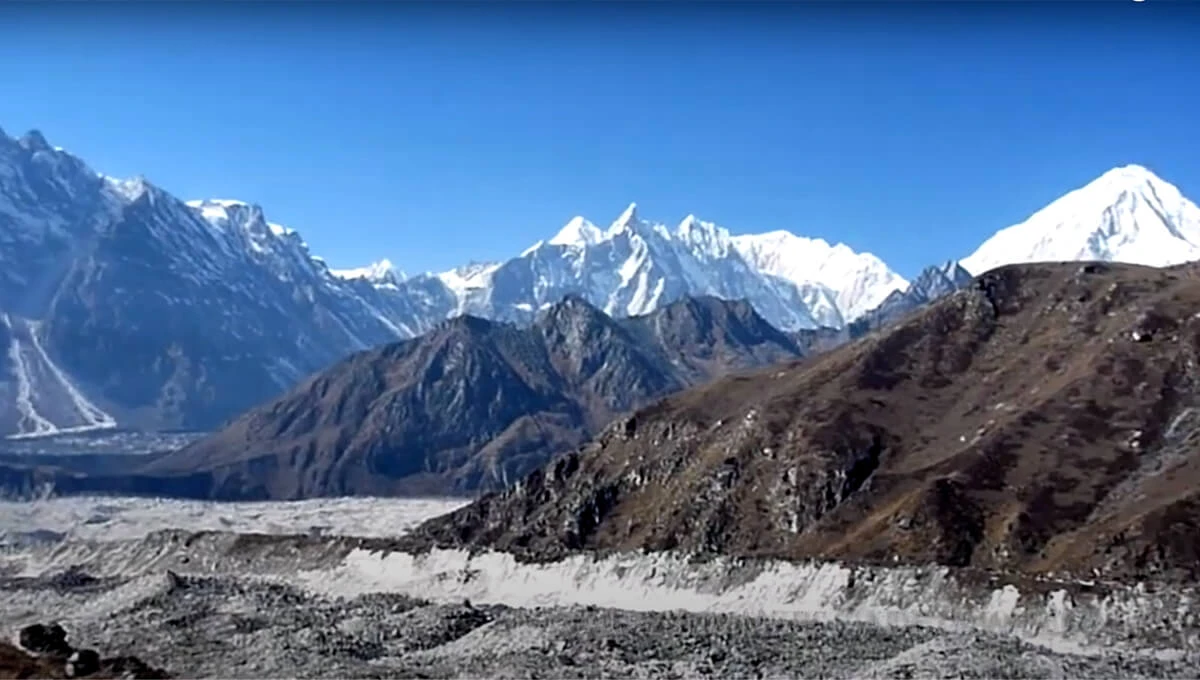
As you make your way up, you reach Rupina La Base Camp, followed by the challenging ascent to the high Rupina La Pass at 4,720 meters. Reaching the top, you are rewarded with breathtaking views of Manaslu, Himalchuli, Boudha Himal, and Ganesh Himal, making it one of the trek’s most unforgettable moments. Though crossing Rupina La Pass is challenging, it is incredibly rewarding, leading trekkers into some of the most breathtaking and untouched areas of the Manaslu region. 

After crossing Rupina La Pass, the trail descends to Boudha Himal Camp, a peaceful spot nestled among snow-capped mountains. From there, the passes up with the famous Manaslu Circuit at Nyak, where you continue through beautiful villages such as Deng, Namrung, Sama Gaun, and Samdo. These places reward you with stunning mountain scenery, ancient Buddhist monasteries, and a chance to experience the rich, Tibetan-influenced culture of the region. 

The trek ends with a rewarding high-altitude crossing of Larkya La Pass at 5,106 meters, the highest point on the Manaslu Circuit. From here, you are treated with panoramic views of Himlung Himal, Cheo Himal, and Annapurna II. Then the trek descends through charming villages such as Bhimthang, Tilje, and Dharapani, and finally ends your journey in Besisahar.  

The trek takes about 22 days, including acclimatization and a day in Kathmandu to explore. Rated as a moderately challenging journey, the Rupina La Pass Trek is best for those with prior high-altitude trekking experience. This trek is ideal for nature enthusiasts, photographers, and trekkers looking for a true Himalayan experience away from the crowds. With a mix of adventure, local culture, and awe-inspiring landscapes, the Rupina La Pass Trek offers a truly unique experience in Nepal. 

Major Highlights of the Trek 

  • Take a scenic drive from Kathmandu to Barpak, a traditional Gurung village in Nepal. 
  • Experience both remote camping and cozy teahouse accommodation during the trek.
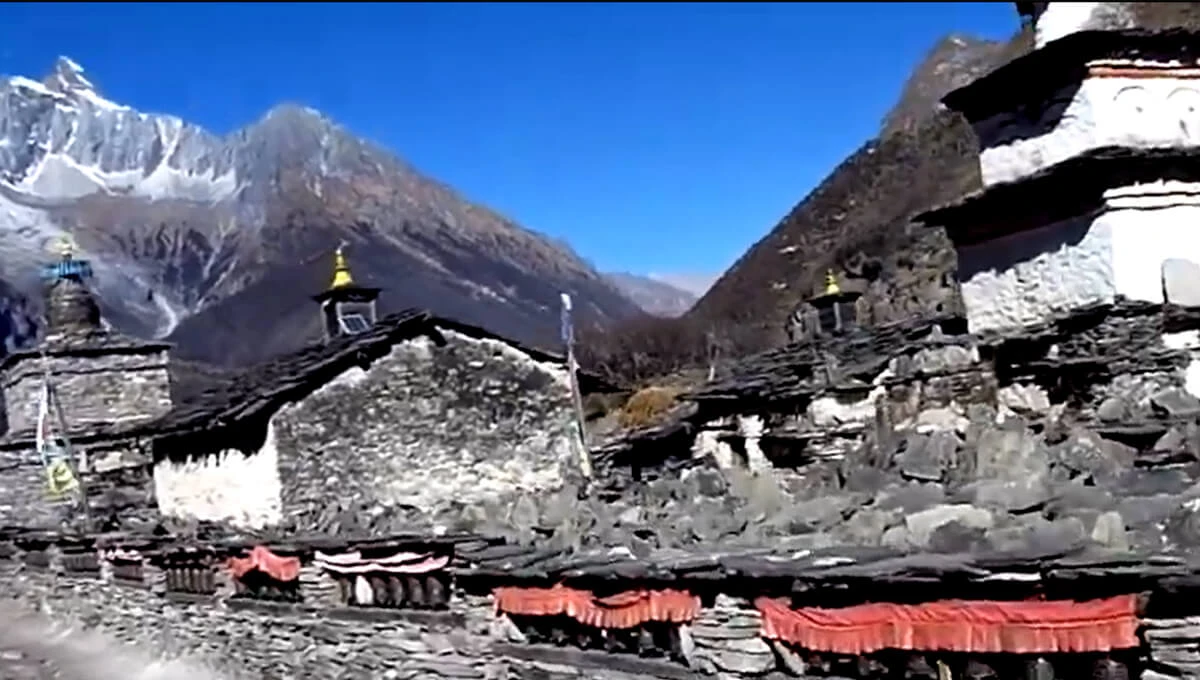
  • Visit ancient monasteries, witness prayer flags, and chortens in villages like Namrung, Sama Gaun, and Samdo. 
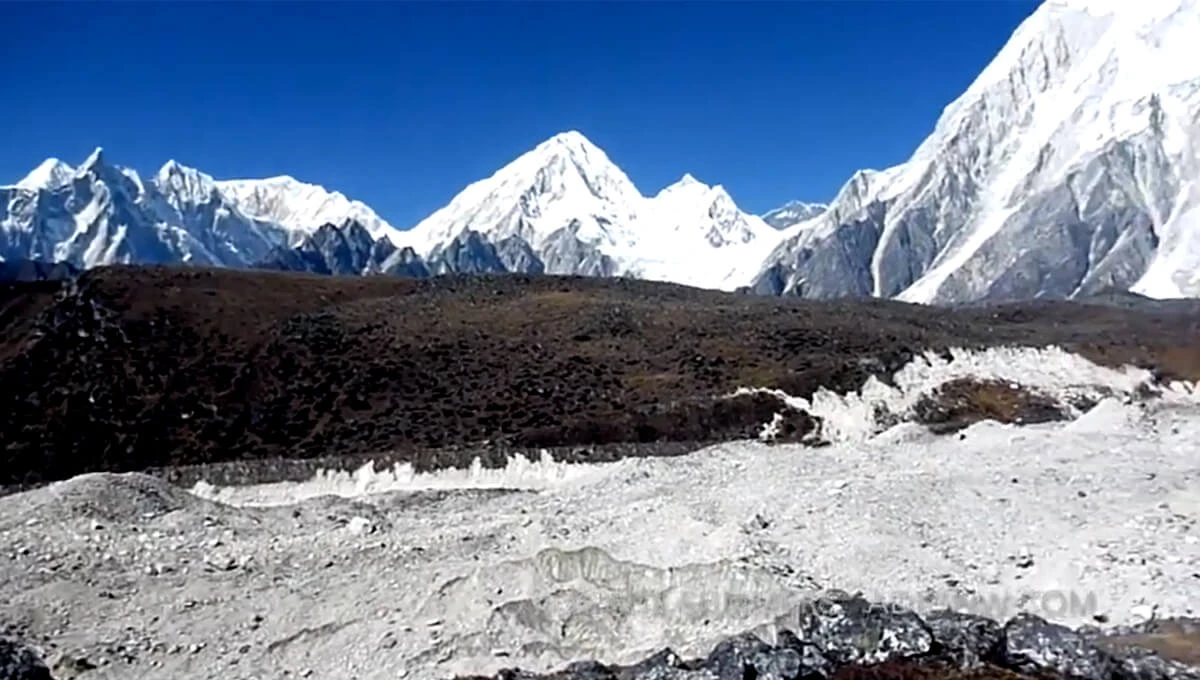
  • Pass through a diverse landscape including lush forest, alpine meadows, glacial moraines, and high-altitude Himalayan passes. 
  • Reach Larkya La Pass, the highest point of the trek, offering awe-inspiring views of Manaslu, Himlung Himal, and Annapurna II. 
  • Trek through Nepal’s most remote and least-traveled trekking routes, ideal for those looking to escape the crowds.
  • Embark on the challenging high-altitude crossing offering stunning views of the Ganesh Himal, Himalchuli, and Boudha Himal ranges.

Why Choose the Rupina La Pass Trek Over Other Popular Treks?

Unlike the crowded routes of Everest Base Camp and Annapurna Circuit, the Rupina La Pass Trek gives you a unique experience in Nepal, far from busy trails, offering untouched mountain landscapes. If you are choosing an authentic adventure and a culturally rich journey in the Himalayas, the Rupina La Pass Trek might be exactly what you need. Below are some of the reasons making the Rupina La Pass Trek a perfect choice for trekkers. 

Off-the-Beaten-path 

Unlike Nepal’s busier trekking routes that draw thousands of trekkers each season, the Rupina La Pass Trek remains remote, quiet, and untouched by many. It takes you through beautiful landscapes, where you can see fewer trekkers along the way, making it a perfect choice for those seeking true solitude and raw Himalayan adventure. 

Two High Mountain Passes in One Trek

What makes the Rupina La Pass Trek truly unique is because of the crossing of two high-altitude Himalayan passes: the remote Rupina La Pass (4,720 m) and the famous Larkya La Pass (5,106 m). Few treks in Nepal offer such a rare double challenge, with both routes providing breathtaking views of Manaslu, Himalchuli, Boudha Himal, and Ganesh Himal. 

Rich Cultural Immersion 

The Rupina La Pass Trek takes you through authentic Gurung, Ghale, and Tibetan Buddhist communities that remain untouched by heavy tourism. Along the way, you can experience traditional mountain life, explore centuries-old monasteries, and witness unique cultural rituals in villages like Barpak, Sama Gaun, and Samdo. 

Perfect for Adventure Lovers 

For those trekkers who have already completed the Everest Base Camp or Annapurna Circuit and want something tougher, the Rupina La Pass Trek is an excellent choice. With basic trails, high-altitude Base Camp, and tough physical demands, this trek provides an unforgettable challenge for experienced trekkers looking for a deeper Himalayan journey in Nepal. 

Stunning Himalayan Vistas

Unlike other popular treks that offer views of one or two major peaks, the Rupina La Pass Trek gives you a full panorama of Manaslu, Boudha Himal, Himalchuli, and glimpses of the Annapurna range. For trekkers wanting to witness the spectacular vistas of the surrounding mountains, the Rupina La Pass Trek is a perfect choice for an unforgettable Himalayan experience. 

How difficult is the Rupina La Pass Trek in comparison to other popular trekking routes in Nepal?

The Rupina La Pass Trek is considered a moderately challenging trek compared to other renowned trekking routes in Nepal, such as Everest Base Camp or the Annapurna Circuit. Though those treks are well-established with a lot of infrastructure, the Rupina La Pass Trek is more remote and less traveled by trekkers till now, adding extra difficulty due to rugged terrain and limited amenities. 

The trek includes significant altitude gain, especially while crossing the Rupina La Pass (4,720 m) and Larkya La Pass (5,106 m). The higher altitude and steep ascents on the Rupina La Pass Trek can be physically demanding, and trekkers should be in good shape and ready for high-altitude challenges, such as shortness of breath and fatigue. However, with proper acclimatization and a slow pace of the trek, the challenges can be minimized. The trail is rugged and remote, with some sections requiring overnight camping in isolated areas and long days of trekking across tough terrain, including rocky trails and snow-covered sections. Compared to the Rupina La Pass, the Everest Base Camp trek is more developed, with plenty of teahouses and well-established infrastructure along the way. 

Compared to other well-known trekking routes, the Rupina La Pass Trek offers the opportunity to enjoy the peaceful beauty of the Himalayas, free from crowds and distractions, allowing for a deeper connection with nature. It is a perfect choice for those who want a more remote and meaningful trekking experience in Nepal. This trek can be a real test for those used to more comfortable trails, as the trek includes steep climbs, remote locations, and rugged terrain, making it physically demanding and mentally challenging. 

Rupina La Pass Trek - 22 Days Itinerary

Start Point: Kathmandu
End Point: Kathmandu
Expand All

Upon your arrival at Tribhuvan International Airport in Kathmandu, one representative from our team will greet you at the airport and assist with your transfer to your designated hotel inside the Kathmandu Valley. After checking into your hotel, you have time to rest and recover from your journey. Depending on your arrival time, you may take a short walk around Thamel, a vibrant tourist hub filled with a wide range of restaurants, spas, shops, and cultural sights.

Max Altitude: 1,400 m (4,594 ft)Meals: Bed & BreakfastAccommodation: Hotel

On this day, you meet your guide for the briefing about the trek, and go over essential gear and permits needed for the Rupina La Pass Trek. After you attend the pre-trek briefing with your guide, you have the sightseeing option arranged for you. On this day, you have the chance to explore the most iconic UNESCO World Heritage Sites. Firstly, you visit Swyambhunath Stupa (Monkey Temple), a sacred Buddhist stupa offering panoramic views of Kathmandu Valley. Then, you head towards Pashupatinath Temple, Nepal’s holiest Hindu temple, located along the banks of the Bagmati River. After spending a few hours in the sacred temple, you visit Boudhanath Stupa, one of the largest and most peaceful Buddhist stupas in the world. In the afternoon, you explore Kathmandu Durbar Square, a historical palace, where you witness ancient architecture and culture. Spend the night enjoying some Nepali cuisine at a local restaurant or simply resting at your hotel before the adventure begins.

Max Altitude: 1,400 m (4,594 ft)Meals: Bed & BreakfastAccommodation: Hotel

After an early morning breakfast at your hotel in Kathmandu, your journey begins towards Barpak, a charming Gurung village situated on a hillside in the Gorkha district. The drive takes about 7 to 8 hours, passing through a mix of paved roads and rugged mountain terrain. As you leave the bustling streets of Kathmandu, the journey takes you through green hills, terraced farmlands, and river valleys, with spectacular views of the Himalayas from a distance. During the drive, you get amazing views of the surrounding landscape, especially of the Boudha Himal and Ganesh Himal ranges. Reaching Barpak, a perfect location to experience warm hospitality and vibrant Gurung culture. As you reach, you can check into a local teahouse, where you enjoy warm meals, and prepare for the next day’s trek.

Max Altitude: 1,901 m (6,237 ft)Meals: Breakfast, Lunch & DinnerAccommodation: Tea House

On Day 4, you will trek from Barpak to Sumbekhadi, starting with a gradual ascent through terraced farmlands and charming settlement areas. As you move higher, you are rewarded with mesmerizing views of the surrounding hills and amazing landscapes. During the trek, the path follows through dense forests filled with rhododendron and chirping birds, creating a peaceful atmosphere. Along the way, you can interact with the friendly locals and watch daily life. As you arrive in Sumbekhadi, calm and peaceful villages serve as a spot to relax and prepare for the next day of your journey.

Max Altitude: 1,935 m (6,349 ft)Meals: Breakfast, Lunch & DinnerAccommodation: Tea House

On Day 05, you will trek for about 6 to 7 hours from Sumbekhadi to Danda Kharka, beginning with a gradual ascent through dense forests and terraced farmlands, offering a peaceful experience. As you elevate higher, the landscape changes to alpine trees, as well as the opportunity to witness the snow-capped peaks from a distance. Reaching Danda Khakra, a peaceful spot to relax and watch the mesmerizing sunset over the mountains. As you are accommodated with tented camps, this place can be a bit colder, so warm layers are recommended for the night.

Max Altitude: 2,800 m (9,187 ft)Meals: Breakfast, Lunch & DinnerAccommodation: Tented Camp

Today, you will trek from Danda Kharka to Bheri Kharka, which will take about 6 hours with a bit of altitude gain. The trail leads through breathtaking mountain scenery, open fields, forests, and a few huts. It is an easy and quiet route that allows you to appreciate the beautiful surroundings. During the trek, you may catch glimpses of snow-capped peaks and see yaks grazing in the fields. As you near Bheri Kharka, a beautiful spot surrounded by nature, where you can witness the landscape becomes more expansive, and offers a peaceful atmosphere.

Max Altitude: 2,900 m (9,515 ft)Meals: Breakfast, Lunch & DinnerAccommodation: Tented Camp

On Day 07, you have a challenging as well as exciting trek from Bheri Kharka to Rupina La Base Camp, where you gain a significant altitude. The trail gently passes through high mountain areas, where there are fewer trees and more open, rocky ground sections. As you elevate, the air gets thinner and colder, making breathing harder, so take your time and remember to stay hydrated. The views are amazing, with close-up views of the surrounding mountain peaks and steep rocky slopes all around you. Along the way, you may pass through a clear stream or even some glaciers. Reaching the Base Camp, you are rewarded with the wide, open surroundings and close-up views of the Rupina La Pass. The Rupina La Base Camp is located at a stunning location, offering breathtaking views of the surrounding peaks and a perfect place to rest after a long day of trekking.

Max Altitude: 3,800 m (12,468 ft)Meals: Breakfast, Lunch & DinnerAccommodation: Tented Camp

On Day 08, you will trek from Rupina La Base Camp to Boudha Himal Base Camp, where you cross the challenging Rupina La Pass at 4,720 meters. The day starts with a steep ascent towards the pass, where the thin air makes it a tough climb. Once you are at the top of the Pass, you are rewarded with impressive panoramic views of the nearby peaks such as Ganesh Himal and Manaslu. After a rest at the pass, you descend towards the Boudha Himal Base Camp, passing through alpine meadows and rocky terrain sections. The trail is demanding at times, but the chance to witness the stunning landscapes and sense of accomplishment from crossing the pass makes it worth the visit. As you reach the Boudha Himal Base Camp, you have time to rest, acclimatize, and enjoy the serene beauty of the area.

Max Altitude: 4,720 m (15,485 ft)Meals: Breakfast, Lunch & DinnerAccommodation: Tented Camp

On Day 09, you will trek from Boudha Himal Base Camp to Jhon Kharka, starting with a descent from the base camp, where the route involves passing through alpine meadows and forests. As you descend, you are treated with the beautiful views of the surrounding mountains and valleys. The trek includes downhill sections through rocky terrain, requiring careful footing for a safe ascent. Along the way, you pass through picturesque settlement areas, where you can witness the daily life of the locals. As you reach Jhon Kharka, an ideal stop to rest and relax before enjoying a warm meal in the peaceful village. You can interact with the locals of the area and immerse yourself in the beauty of the surrounding mountains.

Max Altitude: 2,960 m (9,712 ft)Meals: Breakfast, Lunch & DinnerAccommodation: Tea House

On Day 10, you will trek from Jongchet to Syangyen, where today’s journey begins with a gradual descent through dense forests and terraced fields. The route includes passing through small picturesque villages, offering a glimpse into the daily life of locals. The trail follows a mixture of rocky paths and dirt tracks, providing a peaceful and scenic trek. Throughout the trek, you are treated with the awe-inspiring views of the surrounding hills and valleys. As you cross a few streams and pass dense forests, you will finally reach Syangyen. Syangyen serves as a perfect place to rest, enjoy a warm, delicious meal, and reflect on the journey.

Max Altitude: 2,340 m (7,678 ft)Meals: Breakfast, Lunch & DinnerAccommodation: Tea House

On Day 11, your journey begins from Syangyen towards Nyak, where the trail begins with a steady descent through impressive forests and small villages. Along the way, you pass through terraced fields and get spectacular views of the nearby mountains, helping you to enrich your trekking experience. The route includes a mix of rocky trails and dirt tracks, providing a peaceful and scenic experience. During the journey, you encounter small villages where you witness the locals engaged in farming activities. Trekking for about 6 to 7 hours, you reach Nyak, a serene village with awe-inspiring surroundings and a perfect place to enjoy a warm meal after a long day of trekking.

Max Altitude: 2,102 m (6,897 ft)Meals: Breakfast, Lunch & DinnerAccommodation: Tea House

On Day 12, you will be trekking from Nyak to Deng, at an altitude of 1,860 meters. The trail includes a descent through lush forests and passes several small villages, where you can enjoy the views of flowing rivers, terraced farmlands, and mountain views from a distance. The route includes rocky and uneven sections, requiring careful navigation, along with the chance to cross several suspension bridges and streams along the way. After reaching Deng, take a break and enjoy a good meal. The village is calm and peaceful, making it a great place to relax and prepare for the next day.

Max Altitude: 1,860 m (6,103 ft)Meals: Breakfast, Lunch & DinnerAccommodation: Tea House

Today’s journey from Deng to Namrung starts with a gradual ascent through dense forests and alongside the Budhi Gandaki River. While you ascend, you can experience a gradual shift in the landscape, as it becomes more diverse with awe-inspiring views of high-altitude mountain peaks and traditional villages. You walk through lovely villages with strong Tibetan influence. The path is sometimes easy and sometimes rocky and rougher sections that can be challenging. But once you reach Namrung, you can see the beautiful views of Manaslu, Himalchuli, and other nearby peaks.

Max Altitude: 2,660 m (8,728 ft)Meals: Breakfast, Lunch & DinnerAccommodation: Tea House

Trekking from Namrung to Sama Gaun begins with a steady ascent, passing through beautiful alpine forests and small Tibetan-style villages. During your today's journey, as you gain elevation, you can experience a gradual shift in the landscape from rocky and uneven trail sections to more open paths, as well as the spectacular views of the towering snow-capped mountains from a distance. When you arrive in Sama Gaun, take some time to explore and relax as you get used to the altitude. The village is calm and quiet, with great views of Manaslu, and offers peaceful surroundings and stunning views. After a long trek, enjoy a nice meal and relax.

Max Altitude: 3,500 m (11,482 ft)Meals: Breakfast, Lunch & DinnerAccommodation: Tea House

Today is a much-needed break in Sama Gaun, a good place to help your body adjust to higher altitudes. Located at 3,500 meters, this mountain village offers the perfect place to rest and take in the breathtaking views of the mountains. Taking a rest day allows your body to get used to the thin air, reducing the risk of altitude sickness. You can spend the day exploring the village, engaging with the locals, or visiting the nearby peaceful monastery. If you have some extra time, take a short hike to Birendra Lake or Pungyen Gompa, where you are offered stunning views of Mount Manaslu and the nearby glaciers. It is a perfect time to unwind, experience local life, and prepare for the days ahead in the higher Himalayas.

Max Altitude: 3,500 m (11,482 ft)Meals: Breakfast, Lunch & DinnerAccommodation: Tea House

Today’s hike from Sama Gaun to Samdo is short and easy, taking about 3 to 4 hours. You walk through open lands with beautiful views of nearby mountains and glaciers. Along the way, you cross some wooden suspension bridges and walk past yak pastures, all while taking your time and moving at a relaxed pace. As you elevate higher, remember to drink plenty of water and maintain your pace to help your body adjust to the thinner air. As you reach Samdo, a quiet Tibetan-influenced village, close to the Tibetan border. After reaching, you can rest or take a short hike to enjoy the stunning views.

Max Altitude: 3,690 m (12,107 ft)Meals: Breakfast, Lunch & DinnerAccommodation: Tea House

Today’s journey from Samdo to Dharmashala takes you through the high-altitude landscape, with dramatic mountain views along the way. As you leave Samdo, the trail winds through open terrain, crossing rocky paths and small streams. Nearing Dharmashala, a remote and tranquil stop that offers a peaceful rest before the challenging trek to Larkya La Pass. The surroundings are rugged, making it a perfect spot to rest and adjust to the altitude before the harder days. The nights can be cold here, so bring warm clothing to stay comfortable. This is a crucial day for your body to adjust, getting you ready for the higher altitudes ahead.

Max Altitude: 4,470 m (14,667 ft)Meals: Breakfast, Lunch & DinnerAccommodation: Tea House

Day 18 is one of the toughest yet most rewarding days of the trek, as you will be leaving Dharmashala and reaching Bhimthang via the challenging pass called Larkya La Pass, at 5,106 meters. The journey begins with a steep climb towards the Larkya La Pass from Dharmashala, crossing rocky and rugged terrain, and being treated with the spectacular views of glaciers and snow-capped peaks along the way. When you reach the pass at 5,106 meters, it is a thrilling moment, with breathtaking panoramic views of the surrounding peaks, including Himlung Himal, Annapurna, and Ganesh Himal. Once you cross the pass, the descent to Bhimthang begins, which is long and steady, taking you through alpine meadows and dense forests. Reaching Bhimthang, a small village situated at a lower altitude, provides you with a calm and peaceful place to rest after a challenging yet rewarding day.

Max Altitude: 5,106 m (16,752 ft)Meals: Breakfast, Lunch & DinnerAccommodation: Tea House

After the challenging day, today’s trek is more relaxed and takes you through breathtaking landscapes, as you will be reaching Tilje from Bhimthang. Starting your trek with Bhimthang, the trail gradually descends, winding through alpine fields, peaceful pine forests, and alongside glacial rivers. Even if you head towards lower elevations, the views of the mountains stay stunning, where you might catch one last glimpse of the towering peaks behind you. As you descend, the surroundings grow greener and become more vibrant. You will pass through small villages and over suspension bridges, feeling the air turn warmer and more refreshing. Upon reaching Tilje, a quiet village surrounded by fields and forest, offers a calm and welcoming place to rest and relax.

Max Altitude: 2,300 m (7,545 ft)Meals: Breakfast, Lunch & DinnerAccommodation: Tea House

Day 20 makes the end of your trek, as you hike from Tilje to Dharapani. The route passes through peaceful forests, charming settlement areas, and terraced landscapes, while witnessing the nearby Marsyangdi River running along. Along the way, you pass through a gentle descent and scenic landscapes, providing a perfect chance to think back on your journey. Upon reaching Dharapani, the trek concludes, and a jeep journey begins that takes you through the rough terrain and bumpy sections to Besisahar. Though the journey may be rough and bumpy, the breathtaking views, waterfalls, deep valleys, and old villages make it worth it. By evening, you reach Besisahar, a vibrant town, offering you modern amenities.

Max Altitude: 823 m (2,701 ft)Meals: Breakfast, Lunch & DinnerAccommodation: Hotel

After an amazing trek through the Himalayas, Day 21 is all about heading back to Kathmandu. The drive from Besisahar takes about 5 to 6 hours, winding through scenic hills, riverbanks, and passing through countryside villages. The drive from Besisahar is a beautiful drive that slowly shifts from the serene landscapes to the bustle of the city. Along the way, you can get the final glimpses of the distant Himalayan peaks as they start to disappear. Upon reaching Kathmandu, you can experience a gradual shift to more crowded streets, colorful markets, and the energetic vibe of the capital. After checking into your hotel, you have time to relax, reflect on your trek, and immerse yourself in the rich cultural heritage, taste local cuisines, and soak in the lively atmosphere. At night, enjoy a special farewell dinner with your fellow trekkers and guides, as you can try a variety of options of Nepali dishes like Dal Bhat, MoMo, and Sel Roti, which offer you unforgettable experiences in Nepal.

Max Altitude: 1,400 m (4,594 ft)Meals: Bed & BreakfastAccommodation: Hotel

Day 22 marks the end of your remarkable adventure to Rupina La Pass in Nepal. Depending on your flight time, one representative from our team will help you transfer at the Tribhuvan International Airport in Kathmandu for your final departure. As your journey comes to an end, unwind your adventurous journey filled with breathtaking vistas, vibrant culture, and unforgettable moments with your fellow trekkers. Take a moment to savour the city one last time on your way to the airport, feeling a deep sense of gratitude for the remarkable experience you had.

Meals: Breakfast
Let us help You Plan Your Perfect Holiday
Looking for a customized trip? Let us know your estimated holiday time, budget, travel style, etc. We will design an amazing personalized itinerary for you.

Cost Details

Includes

  • Pick up & Transfer to and from Tribhuvan International Airport (TIA) to your hotel in Kathmandu.
  • Three nights accommodation at 3 Star hotel in Kathmandu (breakfasts included).
  • Transportation as per the itinerary.
  • Tea-house & camping accommodation during the journey.
  • Standard Meals during the journey (breakfast, lunch, dinner).
  • Expert Guide (registered and licensed by the government) with accompanying porters (generally, one porter for every two clients). (High Camp Adventure covers the staffs’ meals and accommodations as well as wages, transport, insurance, and essential gear.)
  • Equipment (Sleeping bag, Down jacket, Duffel Bag, Walking poles).
  • Restricted area entry permit (Trekking Permit).
  • Conservation Area and National Park entry fees.
  • Trekker’s Information Management System (TIMS) card.
  • Trekking Map.
  • Medical kit.
  • Government taxes.
  • Our service charge.
  • Farewell Dinner in Kathmandu the eve of your international departure.

Excludes

  • International plane ticket to and from Nepal.
  • Major meals in Kathmandu (other than breakfast).
  • Personal Expenses including laundry, telephone calls, bar bills, drinks, and snacks.
  • Personal clothing and gear.
  • Travel Insurance.
  • Shower fees at lodges, fees for recharging electronic equipment, and personal expenses along the trail.
  • Tips for Guides, Porters and Staff.
  • Expenses incurred by cancellation and events beyond our control, for example, weather delays, trail detours, political unrest, illness, and et cetera.

Dates & Availability

Select your preferred date
Jan 2026
Feb 2026
Mar 2026
Apr 2026
May 2026
Jun 2026
Jul 2026
Aug 2026
Sep 2026
Oct 2026
Nov 2026
Dec 2026
Departure Date
Status
Price
Departure Date
Starts: January 17, 2026Ends: February 07, 2026
Status
Guaranteed
Price
US$1699
Departure Date
Starts: January 31, 2026Ends: February 21, 2026
Status
Guaranteed
Price
US$1699

These are upcoming fixed departure dates. If you are looking for a different date, please feel free to contact us.

Essential Information

Itinerary Disclaimer 

The Rupina La Pass Trek itinerary gives you a general idea of what to expect in terms of planned routes, activities, and timing. Please be aware that mountain trekking is subject to changes in the provided itinerary, as conditions may be unfavorable at higher altitudes, where certain adjustments need to be made, so staying flexible is recommended. Due to potential factors such as weather conditions, trail obstructions, landslides, medical issues, or other unexpected circumstances, changes in the itinerary may be required. Although our team tries their best to stick to the planned itinerary, safety comes first for us, so the guide or trek leader may adjust and make some modifications to your provided itinerary. We sincerely appreciate your understanding and cooperation. Therefore, we encourage all trekkers to embark on this journey with an open mind, a sense of adventure, and a willingness to adapt to the challenges and unforgettable rewards of high-altitude trekking. 

Accommodation and Meals 

During the Rupina La Pass Trek, you enjoy a variety of accommodation and local meal options along the way. In Kathmandu, your stay will be in a comfortable hotel offering modern amenities, where breakfast is provided each morning. During the trek, you will stay in basic teahouses in lower altitudes, which are simple, family-run accommodations and offer homemade meals. As you higher up, in the remote locations, you have camp setups, with your support team handing out tents, warm foods, and all necessary gear to keep you comfortable. After completing the trek, you spend the night in a cozy guesthouse in Besisahar, the perfect spot to rest and recharge. Throughout the trekking days, you will be well taken care of with three hearty meals a day, including breakfast, lunch, and dinner, plus clean drinking water, tea, and coffee. 

Gear and Packing Essentials 

For the Rupina La Pass Trek, proper gear and packing essentials are required for a safe and enjoyable trekking experience. Below is a list of items to bring on the journey for a hassle-free experience. 

Clothing 

  • Trekking boots (waterproof)
  • Lightweight trekking shoes (for camp and short walks)
  • Warm layers for colder temperatures
  • Fleece of a down jacket
  • Thermal base layers 
  • Trekking pants 
  • Waterproof jacket and pants 
  • Hat and gloves (warm and sun protection)
  • Socks (wool or synthetic for warmth and comfort)
  • Comfortable clothing for the evening and rest days.

Backpack and Sleeping Gear

  • Daypack (25- 30L) for daily essentials 
  • Sleeping bag (3-season, suitable for -10°C)
  • Sleeping pads (lightweight and insulated)
  • Dry bags for clothing and electronics

Essential Trekking Gear 

  • Trekking poles (helpful during ascents and reducing strain)
  • Headlamp (with extra batteries)
  • Waterbottle or hydration system (3L capacity)
  • Water purification tablets or a filter
  • Sunglasses (UV protection)
  • Personal First aid kit (including altitude sickness medication)

Toiletries and Miscellaneous 

  • Sunscreen and lip balm (high SPF)
  • Toiletries (toothbrush, toothpaste, wet wipes)
  • Camera or smartphones (with an extra memory card)
  • Snacks (energy bars and nuts)
  • Trekking Permits and Passport
  • Cash (Nepali rupees for personal expenses)

Permits Required for the Trek

Before embarking on the Rupina La Pass Trek, located in the Manaslu region of Nepal, you need to obtain some of the necessary permits. Below are the permits to be obtained for the Trek. 

Manaslu Conservation Area Permit (MCAP)

Anyone trekking in the Manaslu region, including the Rupina La Pass route, must obtain the Manaslu Conservation Area Permit (MCAP). This permit is issued by the National Trust for Nature Conservation (NTNC), as it helps fund environmental conservation and promotes responsible tourism in the region. The Manaslu Conservation Area Permit is essential to enter the Manaslu Conservation Area, a region known for its rich biodiversity, traditional villages, and unique cultural landscapes. Be sure to keep your permit with you at all times, as it is checked at multiple checkpoints along the trail. If you embark on the Rupina La Pass Trek through High Camp Adventure, we will help you obtain all these permits on your behalf in Kathmandu.

Manaslu Conservation Area Permit Fees  

  • NRP 3,000 per person per entry for Foreign Trekkers
  • NRP 1,000 per person per entry for SAARC Nationals 
  • NRP 100 per person per entry for Nepali Citizens 
  • Children under 10 years for free

Manaslu Restricted Area Permit (RAP)

The Manaslu Restricted Area Permit (RAP) is a mandatory special permit for trekking and entering the restricted zones of the Manaslu region. This area is considered a restricted zone to help protect its natural beauty and cultural heritage, ensuring responsible and sustainable tourism. Since Manalsu is a restricted area, solo trekking is not allowed. You must be a part of a group of at least two trekkers and must go through a registered trekking agency with a licensed guide. The permit cost also depends on the season, with different rates based on the time of year you are trekking. 

Manaslu Restricted Area Permit (RAP) Fees 

  • USD 100 per person per week (September to November) and USD 15 per person per day (beyond 1 week)
  • USD 75 per person per week (December to August) and USD 10 per person per day (beyond 1 week)

Annapurna Conservation Area Permit (ACAP)

The Annapurna Conservation Area Permit (ACAP) is necessary for treks within the Annapurna Conservation Area, as it includes some parts of the Rupina La Pass Trek. This permit can easily be obtained in Kathmandu at the पर्यटन बिभाग , नेपाल सरकार. The ACAP fees contribute to conservation efforts in the areas, helping to protect the environment and support local communities. 

Annapurna Conservation Area Permit (ACAP) Fees

  • NRP 2,000 for Foreign Nationals

Best Time to Reach 

The most suitable time to trek the Rupina La Pass in Nepal is perfect during Spring (March to May) and Autumn (September to November), when the weather is stable, the skies are clear, and the temperature is moderate for trekking. 

Spring season (March to May)

During Spring, the Rupina La Pass trek becomes ideal for trekking, with well-maintained routes, favorable climate, and impressive landscapes. The clear skies and comfortable temperatures reward with unobstructed skies, where trekkers can fully enjoy the spectacular mountain panoramas. The major highlight of this season is the blooming rhododendron along the trail. The Spring combines scenic beauty with favorable weather, making it one of the most enjoyable times to experience this rewarding trek. 

Autumn season (September to November)

Autumn season, ranging from September to November, is one of the best seasons to trek the Rupina La Pass. During this season, you are treated with clear skies, stable weather, and crisp air. Embarking on the journey, you are rewarded with stunning views of the snow-capped Himalayas, where you see a gradual change in the landscape. The journey takes you through impressive landscapes and picturesque settlement areas. Therefore, for various reasons Autumn season is regarded to be the perfect time to trek the Rupina La Pass, providing a peaceful and rewarding experience for anyone exploring this remote and beautiful region. 

Summer season (June to August)

Trekking the Rupina La Pass in the summer months can be tough due to continuous heavy rainfall. The summer season, ranging from June to August, is a less favorable time to embark on the Rupina La Pass Trek, as during this time the trails are muddy, increasing the risks of injury and causing delays to your journey. During this time, landslides are a major concern, especially in the more remote and difficult sections of the route. Moreover, thick clouds often block the spectacular mountain views, making it difficult for trekkers to observe the fabulous snow-capped peaks. 

Winter season (December to February)

Winter in the high Himalayas experiences extreme cold, with sudden temperatures drop below freezing point. During this time, snowfall is common, which can block the trekking routes and create potential risks, especially near the Rupina La Pass. Although this season provides a tranquil and calm atmosphere, the icy conditions bring considerable dangers, such as slippery trails and difficult navigation. The heavy snowfall can also hide both the paths and the mountain views, making it an unfavorable time to trek. 

Guides and Porter for the Trek 

For the Rupina La Pass Trek, hiring a guide and porter can greatly improve your experience, ensuring your safety and making the challenging terrain easier to manage. A guide will help you navigate the challenging terrain, ensuring you stay safe and preventing you from getting lost. They also offer important details about the local culture, history, and wildlife, adding depth to your journey. Similarly, a porter helps by carrying your heavy equipment, lightening your load and making the journey less strenuous. This allows you to fully immerse yourself in the spectacular beauty without worrying about your heavy backpack. Therefore, by hiring guides and porters, you can support the local economy as well as ensure a safe and more comfortable trekking experience in the remote regions of Nepal. 

Things to Consider During the Rupina La Pass Trek 

Below are some of the major things to consider during the Rupina La Pass Trek, which can help you for a safe and more comfortable experience. 

Altitude Sickness

Altitude sickness can be a major problem for trekkers during their Rupina La Pass Trek journey. During this trek, you will be passing through some of the high-altitude passes, which can be more challenging. 

  • Symptoms: headache, fatigue, dizziness, shortness of breath, nausea, vomiting, rapid increase in the heartbeat, coughing, loss of appetite, difficulty in sleeping, blur vision, swelling of hands, feet, and face.
  • Preventive Measures: ascend gradually, stay hydrated, take proper rest days and acclimate, sleep at a lower altitude if possible, medications, eat well, listen to your body signs, and inform your guide or team members in case of an emergency. 

Connectivity 

Mobile network coverage on the Rupina La Pass Trek is very limited, especially in remote and high-altitude regions. While you may have some signal in some lower villages, but is not reliable for regular use. You can buy a local SIM Card, such as Ncell or NTC. Once you ascend higher, especially around the pass, there is no signal at all, so make sure not to expect faster connectivity. For safety and emergency contact, it is advisable to carry a satellite phone or a GPS communication device. 

ATMs and Cash 

As you leave Kathmandu, ATMs are unavailable along the Rupina La Pass Trek. Since the trail passes through remote villages where only cash is accepted, be sure to carry enough Nepali rupees for the entire journey. Be sure to withdraw enough cash in Kathmandu before beginning your trek. Always keep your cash secure and dry, using a waterproof pouch or money wallet. 

Emergency Contact 

Trekking in remote areas like the Rupina La Pass Trek requires having emergency contact. In case of medical emergencies, injury, or extreme weather, immediate help could be the key to safety. Always keep your guide’s or trekking agency contact number and local contact information, as it can be easier to reach at all times. Also, make sure to keep your home country’s embassy contact in Kathmandu. Have the contact details of a family member or close friend. 

Travel Insurance 

Travel Insurance is highly recommended for the Rupina La Pass Trek, as it ensures you are covered against unforeseen events during your trip. The trek through remote areas comes with risks like altitude sickness, injuries, and emergencies that might require evacuation. The travel insurance usually provides coverage for medical costs, trip cancellations, lost baggage, and emergency evacuation. When selecting travel insurance for your trek, make sure it includes coverage for high-altitude trekking and emergency evacuation, as some policies might not include coverage for activities at higher elevations.

Rupina La Pass Trek - 22 Days FAQs

The Rupina La Pass Trek is a popular, demanding trek in the Manaslu region of Nepal. It takes trekkers across the Rupina La Pass, a high-altitude pass standing at 4,720 meters.

The Rupina La Pass Trek is a high-altitude, challenging climbs, mainly because of the steep ascents, and remote conditions. It requires excellent physical fitness, stamina, and the capability to handle the high-altitude trekking.

The best time to trek the Rupina La Pass is during Spring (March to May) and Autumn (September to November). These seasons bring pleasant weather, clear skies, and breathtaking mountain views. In spring, rhododendrons bloom, while autumn offers crisp air and mesmerizing scenery.

Summer or winter is not the preferred time to embark on the Rupina La Pass Trek. These seasons are mostly avoided by many trekkers due to heavy rainfall, and freezing temperatures.

Yes, it is highly advisable to have both a guide and a porter for the Rupina La Pass Trek. Having a guide can assist with route-finding, sharing local insights, and help ensure your safety, whereas a porter carries your heavy gear, making the trek more comfortable and reducing strain on your body.

During the Rupina La Pass Trek, accommodation ranges from simple teahouses at lower elevations, tented camps at higher altitudes, and guesthouse at Besisahar. Similarly, meals includes simple but hearty Nepali cuisines, like Dal Bhat, Noodles, MoMo, and vegetable dishes.

For the Rupina La Pass Trek, you need to obtain the Manaslu Conservation Area Permit (MCAP), Manaslu Restricted Area Permit (RAP), and Annapurna Conservation Area Permit (ACAP). All these must be obtained before proceeding on the journey for a hassle-free experience.

During the Rupina La Pass Trek, located in the Manaslu region, several prominent peaks, including Ganesh Himal, Mount Himalchuli, Mount Manaslu, and Shringi Himal, are seen.

Mobile network on the Rupina La Pass Trek might be limited, especially as you gain altitude. However, a few villages may have weak signal from local providers like Ncell and NTC, but it is best not to depend on it. For proper communication, it is best to consider a satellite phone.

Solo trekking is not possible for the Rupina La Pass Trek, therefore, you must have a licensed guide who will help you for a safer and rewarding journey. They assist you along the trail, handles permits, and maintains safety. 

For the Rupina La Pass Trek, packing light, warm clothing, including layers for cold weather, is recommended. Make sure to pack essentials such as: trekking boots, warm layers, waterproof gear, trekking poles, first aid kit, water purifier, sunscreen and sunglasses, and some snacks for energy.

For the Rupina La Pass Trek, make sure to carry enough cash to cover your expenses and tips for guides and porters. Since there are no ATMs along the trail, make sure to withdraw enough cash in Kathmandu.

Yes, to prevent altitude sickness during the Rupina La Pass Trek, make sure to ascend slowly, take proper acclimatization, stay hydrated, and listen to the signs and symptoms your body is sending.

The Rupina La Pass Trek is not suitable for beginners, as its remote location, high-altitude passes, and challenging conditions make it unfavorable for first-time trekkers. Trekkers should be in good shape and have prior experience at high altitudes.

The Rupina La Pass Trek usually takes about 21 to 22 days, depending on your pace, acclimatization days, and route. The trek is physically rewarding and requires a good fitness level. The planned itinerary is designed to help trekkers acclimatize, making the trek safer and more enjoyable.

No, a TIMS (Trekkers Information Management System) Card is not required for the Rupina La Pass Trek. Instead, you need to obtaina  Restricted Area Permit, the Manaslu Conservation Area Permit, as well as the Annapurna Conservation Area Permit.

The Rupina La Pass Trek stands out as one of Nepal’s most remote and less-traveled routes, offering untouched natural beauty, peaceful atmosphere, and deep cultural immersion far from the busier routes.

The highest point to be reached during the Rupina La Pass Trek is the Larkya La Pass at an altitude of 5,106 meters (16,752 feet) above sea level.

Need Help? Call Us+977 9851031822