Ganja La Pass
Langtang Ganja La Pass Trek Nepal
Langtang Ganja La Pass Trek

Langtang Valley Ganja La Pass Trek - 14 Days

31 reviews in Trip Advisor
11 reviews in Google Reviews
Recommended by 99% of travelers
Duration
14 Days
Trip Grade
Very Strenuous
Country
Nepal
Maximum Altitude
5,130 m (16,831 ft)
Group Size
1-15 Pax.
Starts
Kathmandu
Ends
Kathmandu
Activities
Trekking & Climbing
Best Time
Spring & Autumn

Trip Overview for Langtang Valley Ganja La Pass Trek 

The Langtang Valley Ganja La Pass Trek is one of the rare Himalayan journeys that still provides you with a quiet and personal experience. Situated north of Kathmandu, sharing its border with Tibet, this route combines the beautiful Langtang Valley with the tough Ganja La Pass crossing. It is what offers a chance to witness the transition from lush green valleys to high alpine vistas in just a few days. 

You will be starting your journey with a scenic drive from Kathmandu to Syabrubesi, followed by a trek through rhododendron forests, riverside trails, and traditional villages. The higher you go towards Langtang Village and Kyanjin Gompa, the stunning vistas start to open up, making your trek worth it. From the trails, you easily can see mesmerizing snow-capped peaks that rise above the yak pastures, the air getting thinner, and cold mountain air. 

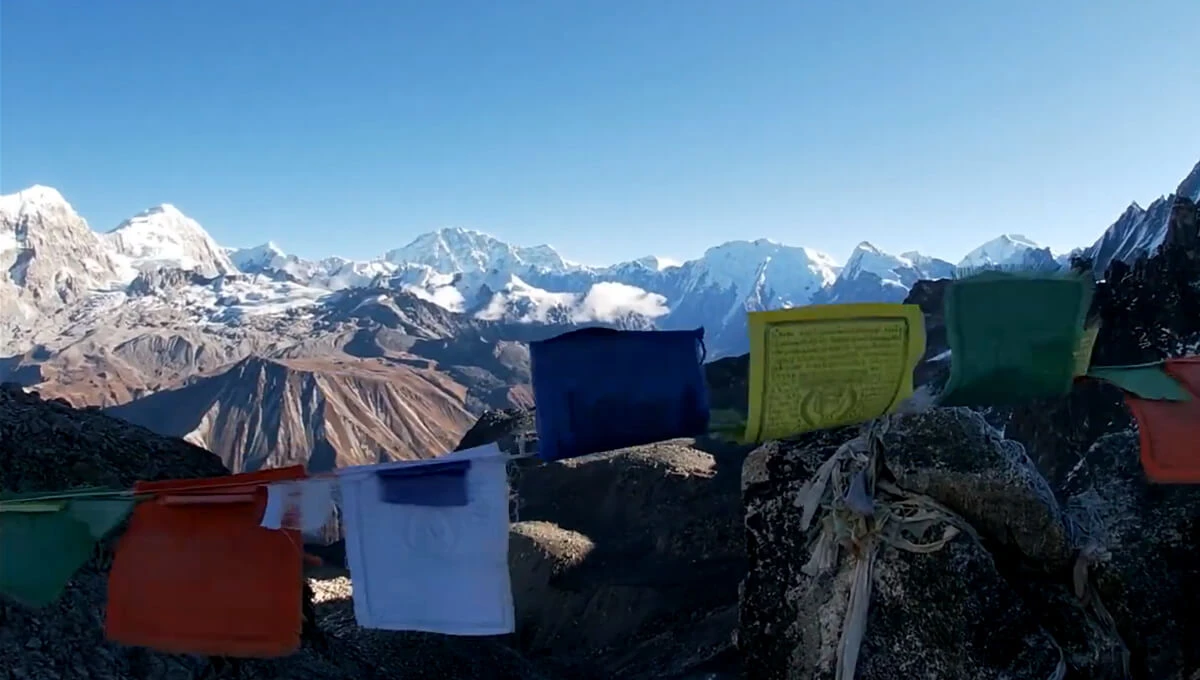
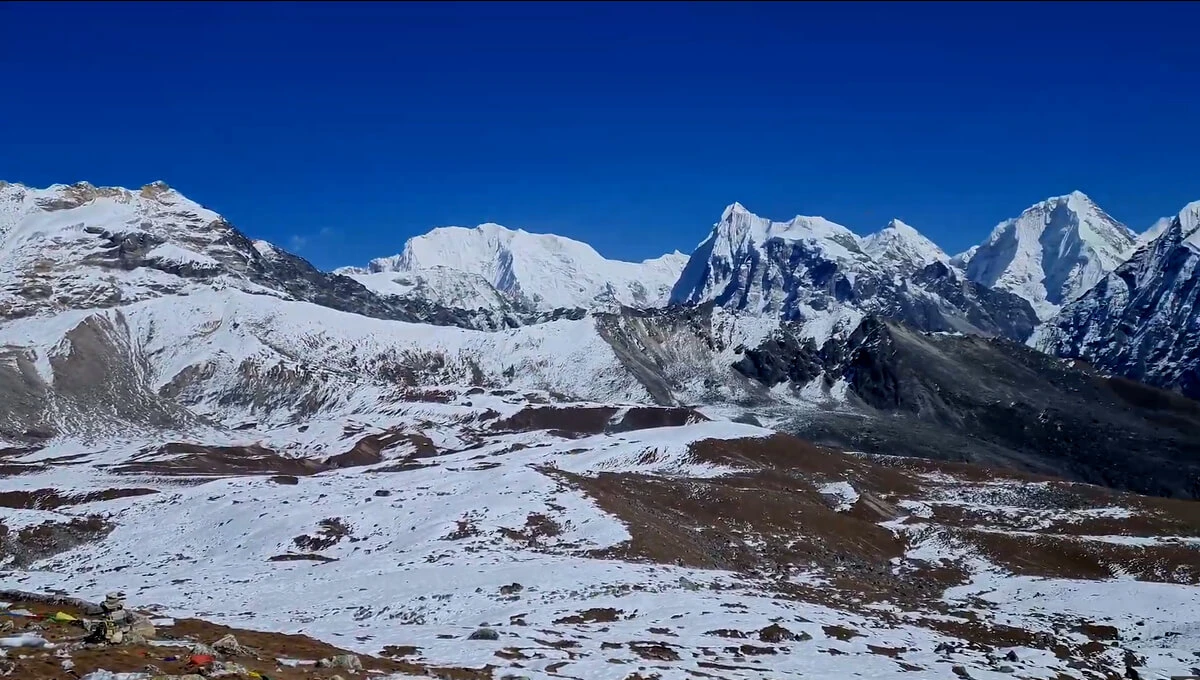
What really makes the Langtang Valley Ganja La Pass Trek Nepal unique is the crossing of the high-mountain pass, Ganja La (5,122 m). This mountain pass requires proper preparation and determination to cross through it, but the views you get are absolutely magnificent. You get to see Langtang Lirung, Dorje Lakpa, and untouched glacier terrain, adding beauty to your adventure. 

If you compare other crowded trekking regions, the Ganja La Pass gives a more peaceful and authentic Langtang trekking experience. As you cross the pass, the trail descends into the Helambu region, offering a perfect balance of wilderness and culture. The Langtang Ganja La Pass Trek rewards to new experience each day, as you get to see more beautiful scenery as you elevate higher. 

So, if you are physically prepared and are looking for a true Himalayan challenge, the Langtang Ganja La Pass Trek might be a rewarding option for you. This combines adventure, solitude, and raw mountain beauty all in one complete journey. 

Important Highlights of Langtang Ganja La Pass Trek 

  • Cross the challenging Ganja La Pass, one of the most dangerous high mountain passes in the Langtang region. 
  • Spend your time in Langtang Valley, a great place for its dramatic alpine landscapes and close-up Himalayan vistas. 
  • Take a moment to appreciate the breathtaking panoramas of Langtang Lirung, Dorje Lakpa, and other snow-covered peaks. 
  • Get a chance to walk through blooming rhododendron forests that mostly get vibrant during spring. 
  • Stay at the traditional Tamang villages and learn about the authentic mountain culture, as this place is near the Tibetan border as well. 
  • Explore around stunning viewpoints, as this can be easily accessible within an hour's hike from Kyanjin Gompa. 
  • Trek in a less crowded area that is well-known to offer you remote trails away from the popular trekking routes in Nepal.
  • Enjoy trekking the Langtang Valley Ganja La Pass, as this connects Langtang Valley to the quiet Helambu region. 

Detailed 14 Days Langtang Valley Ganja La Pass Trek Itinerary 

The Langtang Valley Ganja La Pass 14 Days starts with a scenic drive from Kathmandu to Syabrubesi, the starting point of this trek. From here, the trail takes you through lush forests, riverside paths, and traditional Tamang villages before reaching Langtang Village and Kyanjin Gompa. You have an extra day for acclimatization, as you will be taking a morning hike towards stunning glacier viewpoints. 

After proper acclimatization in Kyanjin Gompa, the journey starts to be more demanding as you move towards Ganja La Pass base camp. This section of the Ganja La Pass trek involves camping in the remote terrain, as this is away from teahouses. The final climb to Ganja La Pass is the most challenging and rewarding part of the journey. 

Crossing the pass offers breathtaking Himalayan views and marks the important highlights of this Nepal high pass trek. As you descend you walk takes you through the peaceful Helambu region, rewarding you with the beautiful landscapes and cultural village stays. The final days involve a gradual trek through Sherpa settlements before driving back to Kathmandu. 

Ganja La Pass Trek Difficulty and Challenges 

The Ganja La Pass Trek difficulty is considered moderate to challenging, which is suitable only to those with prior high-altitude experience. The starting days of your Langtang trek route follow a gradual ascent, as the real challenge starts after Kyanjin Gompa. From here, the trail starts to move into remote alpine terrain, but make sure to adjust yourself to the higher altitude. 

The biggest challenge of the Ganja La trek is crossing the high mountain pass itself. The climb is steep, often covered in snow or ice depending on the season, as there are times when you even require basic use of crampons or fixed ropes. At such an altitude, the weather can change quickly, especially if you plan during unfavorable seasons, which can add difficulty to your trek.

Altitude sickness is another important factor to consider for this high-altitude adventure. Reaching such an altitude, you may experience slight symptoms of Acute Mountain Sickness (AMS) if you ascend too quickly. Therefore, with the right preparation and experienced guidance, the challenge can become a deeply rewarding Himalayan adventure. 

Is the Ganja La Pass Trek Suitable for Beginners?

In short, the Langtang Valley Ganja La Pass Trek is not ideal for complete beginners with no prior high-altitude experience. While the early section of the Langtang Valley Trek Nepal is easier and manageable, crossing the Ganja La Pass makes this route more demanding. 

The major concern for the trek is altitude sickness, so we have provided an extra day in Kyanjin Gompa. This helps you overcome the challenges, as from here the route gets steep, snowy, and physically exhausting. If you are a beginner who has never trekked above 4,000 meters, you might struggle a bit with the altitude adaptation and technical sections. 

So, even for beginners wanting to attempt this Ganja La Pass trek, be sure to have excellent physical conditions. For a relaxed journey, you can even do the Langtang Valley without the pass, Annapurna Base Camp, or the Everest trek to gain some trekking experience in mountain areas. 

Langtang Valley Ganja La Pass Trek Cost for 2026 and 2027

If you are planning the Langtang Valley Ganja La Pass Trek, knowing about the cost for this remote Himalayan journey is a must. The base price for the Ganja La Pass starts from US$1,299 per person, which covers your permit fees, transportation, licensed guide, and meals three times a day. This package cost is designed for trekkers wanting extra safety and comfort on this high-altitude route. 

Number of trekkers Price per person
1 pax US$1,499
2 - 5 pax US$1399
6 - 10 pax US$1349
11 - 15 pax US$1319
16 - 20 pax US$1299

Traveling in a group not only makes the Ganja La Pass trek cost more affordable, but also enhances safety on the trails, mainly above 4,000 meters. Make sure the international airfare, travel insurance, personal gear, and major meals in Kathmandu are not included. This price gives you a well-organized Langtang Valley Trek Nepal, as you get to experience a perfect balance of adventure, safety, and value for money. 

Langtang Valley Ganja La Pass vs Everest Base Camp: Which Trek is Better?

Choosing between the Langtang Valley Trek and the Everest Base Camp Trek depends on what kind of Himalayan experience you truly want. If your goal is to stand beneath the world’s highest mountain and enjoy vivacious trekking routes, Everest Base Camp may suit you. But if you are among those who prefer fewer crowds in the Himalayas, the Langtang Valley Trek might be a perfect choice. 

Feature Langtang Valley Trek Everest Base Camp Trek
Trek Duration 7 - 10 days 12 - 14 days
Highest Elevation 4,984 m (Tserko Ri) 5,555 m (Kala Patthar)
Level of Difficulty Moderate Moderate to challenging
Trail Condition Less crowded Very popular &  busy
Cultural Encounters Strong Tamang heritage Sherpa culture
Accommodation Basic but comfortable teahouses Well-developed teahouses
Cost More budget-friendly Slightly more expensive
Access from Kathmandu 7 - 8 hours drive from Kathmandu to the starting point 30 - 35 minutes flight to Lukla

Langtang Valley Ganja La Pass Trek - 14 Days Itinerary

Start Point: Kathmandu
End Point: Kathmandu
Expand All

Upon your arrival at Tribhuvan International Airport in Kathmandu, one representative from our team will greet you and transfer you to your designated hotel inside the Valley. After checking into your hotel, take some time to relax and explore Thamel, known for its relaxed vibe, souvenir shops, and vibrant local culture. Depending on your arrival time, a short trek briefing may be arranged for you and ask any last-minute queries. In the evening, enjoy a traditional Nepali dinner, offering a perfect experience before your trek begins.

Max Altitude: 1,400 m (4,594 ft)Meals: Bed & BreakfastAccommodation: Hotel

After an early morning breakfast, you begin your journey with a scenic drive from Kathmandu to Syabrubesi, the entry point to the Langtang region of Nepal. The drive usually takes about 7 to 8 hours, depending on the traffic and route conditions, where the route passes through dazzling hills, terraced farmlands, and roadside villages. Throughout the journey, you are offered beautiful views of the Himalayan foothills and the Trishuli River. During the journey, you can witness a gradual change in the landscape from the bustling city to a more peaceful mountain environment. Once you arrive in Syabrubesi, you are accommodated with a local teahouse option where you can relax and prepare for the next day's trek. In the evening, take a short walk around the village, meet fellow trekkers, or simply rest and enjoy the surrounding mountain scenery.

Max Altitude: 1,552 m (5,092 ft)Meals: Breakfast, Lunch & DinnerAccommodation: Teahouse

Today is the beginning of your trek as you leave from Syabrubesi and head towards the Lama Hotel, a place located deep within the dense forests of the Langtang Valley. The trek starts with crossing a suspension bridge over the Bhote Koshi River, and then follows the banks of the Langtang Khola, where you ascend through dense rhododendron, oak, and bamboo forests. Along the way, you pass through several small villages and even spot local wildlife such as gray langurs, Himalayan monals, and red pandas. The route includes a combination of gentle paths and steeper climbs, with several rest points where you can relax and enjoy the peaceful surroundings. Reaching the Lama Hotel, you can experience being surrounded by nature and the calming sound of the nearby rivers. This place is perfect for resting, enjoying a warm meal, and witnessing the stunning views of the mountains.

Max Altitude: 2,380 m (7,809 ft)Meals: Breakfast, Lunch & DinnerAccommodation: Teahouse

Today, you will be making your way from the Lama Hotel to Langtang Village, a traditional mountain village situated in the heart of the Langtang Valley. The journey begins with a gradual climb through peaceful forests filled with oak, maple, and rhododendron trees, with the mesmerizing sound of the Langtang River by your side. As you gain altitude, the forest becomes more dense and is rewarded with wide-open views and awe-inspiring snow-capped peaks. Along your journey, you will have the chance to see Himalayan wildlife, musk deer, Himalayan tahr, and gray langurs, which often move through the forest. Once you reach Langtang Village, a culturally rich community and home to the Tamang people. This place was rebuilt after the 2015 earthquake and now serves as a village with a perfect blend of tradition and strength, with prayer flags. After arriving, you can relax in a welcoming teahouse, enjoy a hot meal, and spend time exploring the area while soaking up the incredible mountain views all around the village. 

Max Altitude: 3,430 m (11,254 ft)Meals: Breakfast, Lunch & DinnerAccommodation: Teahouse

Today’s trek takes you on a steady climb through open yak pastures and beautiful alpine landscapes as you head towards Kyanjin Gompa from Langtang Village. Along the way, you pass through quiet villages like Mundu and Sindum, walking through fluttering prayer flags, stone mani walls, and well-marked chortens, reflecting the local Buddhist traditions. As you climb higher, the panoramic views of Langtang Lirung and the surrounding peaks become even more breathtaking. After trekking for about four hours, you will reach Kyanjin Gompa, a tranquil village nestled beneath the towering peaks. In Kyanjin, you can visit the ancient monastery and visit the local cheese factory if time permits. This place is a perfect spot to adjust to the higher altitude and prepare for the more challenging treks in the coming days. 

Max Altitude: 3,870 m (12,697 ft)Meals: Breakfast, Lunch & DinnerAccommodation: Teahouse

Today is all about adjusting to the higher altitude and exploring around Kyanjin Gompa. After a peaceful night's rest, you can take a short hike to Tserko Ri (5,000 m), where you are rewarded with breathtaking panoramic views of the Langtang range, including Langtang Lirung and Yala Peak. The hike takes about 4-5 hours, offering rewarding views once you are at the top. If you prefer, you can also visit the Kyanjin Monastery or the nearby yak cheese factory. The peaceful atmosphere of the village is the perfect spot to relax and enjoy the beauty of the high Himalayas. After a full day of exploration around Kyanjin Gompa, enjoy a peaceful night in a cozy teahouse, enjoying some local foods, and taking in the beautiful surroundings, while getting ready for the next part of your trek. 

Max Altitude: 5,000 m (16,404 ft)Meals: Breakfast, Lunch & DinnerAccommodation: Teahouse

Today, you begin your ascent towards the Naya Kanga Base Camp after a delicious breakfast from Kyanjin Gompa. The Naya Kanga Base Camp is situated at an elevation of 4,300 meters, a challenging 6-7 hours trek, but the reward of reaching the high-altitude heaven is well worth the effort. As you trek through the rugged alpine landscape, the terrain gradually shifts into a high-altitude wilderness. From here, you can enjoy the stunning views of snow-capped peaks, including Naya Kanga (5,844 m) and Yala Peak. You will pass through rocky moraines and streams, as well as spot some yaks grazing along the way. As you make your way higher, the air becomes thinner, so make sure to take your time and stay hydrated. Upon reaching Base Camp, you will find yourself immersed in the breathtaking mountain views and the tranquil beauty of the high Himalayas, providing an ideal place to relax before continuing your trek.

Max Altitude: 4,300 m (14,108 ft)Meals: Breakfast, Lunch & DinnerAccommodation: Tented Camp

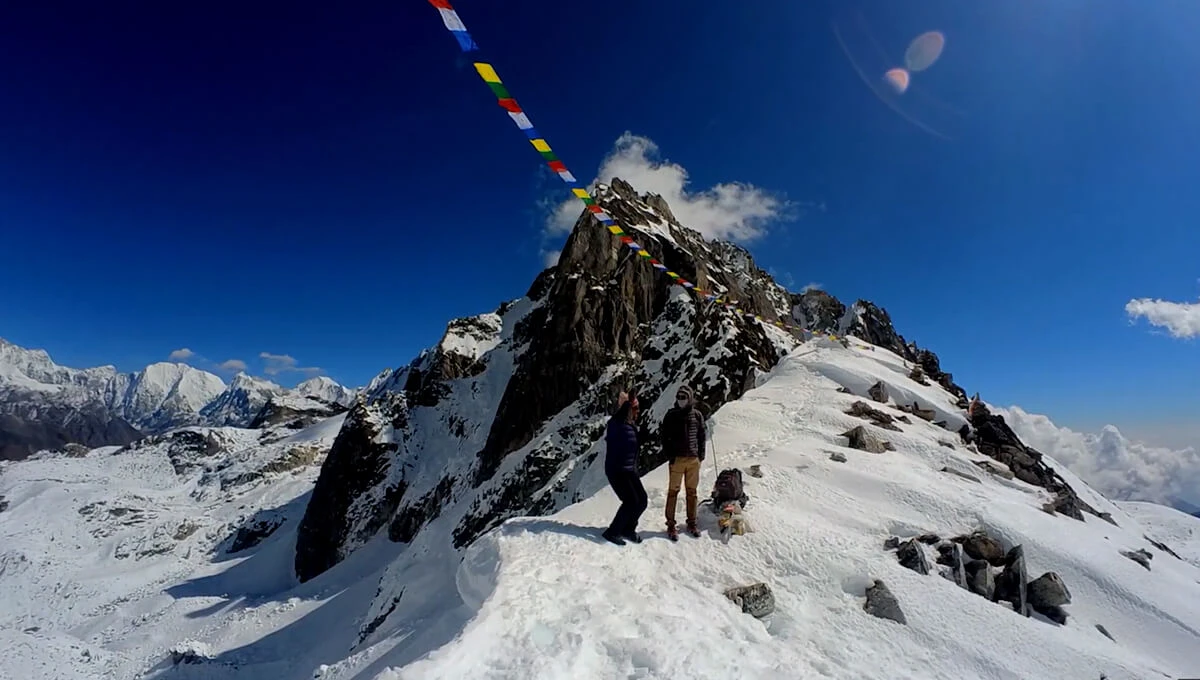
Today is going to be a tough one as you take on the challenging Ganja La Pass (5,130 m), one of the highest points of the trek. The journey begins with a steep ascent from Naya Kanga Base Camp, leading you toward the towering pass. The trail takes you over rocky terrain and snow-covered sections, with spectacular views of towering peaks like Naya Kanga, Langtang Lirung, and Ganesh Himal. Reaching the summit of Ganja La Pass feels like a rewarding moment, offering incredible panoramic views of the surrounding peaks. After crossing the pass, the descent is just as challenging as the ascent, but as you make your way down, you find yourself surrounded by alpine meadows and small streams. At last, you finally reach Gyalthan Phu, a serene and remote place with amazing views of the valley below. Spend the night in a teahouse, take time to reflect on the journey, and soak yourself in the peaceful surroundings mountains. 

Max Altitude: 5,130 m (16831 ft)Meals: Breakfast, Lunch & DinnerAccommodation: Tented Camp

Today, you trek from the remote alpine landscapes of Gyalthan Phu and make your way to the serene camp at Dhukpa. The trail winds through high meadows, scattered with rhododendron and juniper bushes. As you continue along the trail, you move through untouched natural areas and might spot Himalayan wildlife such as blue sheep. The trail winds over a mix of rocky paths and grassy hills, with a few moderate climbs and descents. The trek offers a quiet and peaceful atmosphere, far from crowds, giving you a real sense of connection with nature and the mountains around you. Reaching Dhukpa, a small and picturesque stop, where you can relax, watch the beautiful sunset views, and stay overnight at a cozy teahouse.

Max Altitude: 4,042 m (13,261 ft)Meals: Breakfast, Lunch & DinnerAccommodation: Teahouse

After having your breakfast from Dhukpa, you begin your trek to Tarkeghyang. The route includes a gradual descent through dense rhododendron and pine forests, where you witness a gradual change in the landscape. You will pass through peaceful valleys and traditional ancient villages, where you catch a perfect glimpse of daily life in the Langtang region. Along the way, you may even encounter local wildlife such as monkeys or Himalayan tahr, with mesmerizing sounds of rivers and waterfalls as you make your way down. As you descend, you are treated with stunning views of the Langtang range and the valley below. Arriving at Tarkeghyang, a charming traditional village with Tibetan-style houses and a peaceful atmosphere. This place serves as a perfect spot to rest, enjoy warm meals, and interact with the locals of the area. 

Max Altitude: 2,600 m (8,531 ft)Meals: Breakfast, Lunch & DinnerAccommodation: Teahouse

Today, you continue your journey into the Langtang Valley, moving from Tarkeghyang to Sermathang. The path includes an easy descent, winding through lush forests of oak, rhododendron, and pine, offering moments of quiet beauty along the way. As you walk, you pass through small villages, terraced fields, and peaceful flowing rivers, with the backdrop of the Langtang range from a distance. Along the way, you might meet friendly locals, mostly from the Tamang community, who greet you with warm smiles. You might also spot some local wildlife, like monkeys and birds, adding to the beauty and charm of the journey. When you arrive in Sermathang, you find a peaceful village with Tibetan Buddhist influences. This place is situated at a moderate altitude and is a perfect place to relax, explore, and enjoy beautiful views of the surrounding mountains. 

Max Altitude: 2,802 m (9,193 ft)Meals: Breakfast, Lunch & DinnerAccommodation: Teahouse

Today is the final day of your trekking journey, as you reach Melamchi Pul Bazaar from Sermathang. The trail gradually descends through terraced fields, small villages, and lush pine and rhododendron forests. Along the way, you can see a gradual shift in the landscape from alpine meadows to subtropical forests, with the climate becoming warmer and more favorable. As you continue, you might cross small rivers and streams, enhancing the calm atmosphere of the trail. After around 6 hours of trek, you reach Melamchi Pul Bazaar, a vibrant market town in the remote Langtang Valley. As you reach Melamchi Pul Bazaar, you have the chance to explore the local shops and celebrate the completion of your trek. 

Max Altitude: 800 m (2,625 ft)Meals: Breakfast, Lunch & DinnerAccommodation: Teahouse

Today, your trekking journey ends as you leave Melamchi Pul Bazaar and drive back to Kathmandu. The drive takes about 4 to 5 hours, passing through beautiful hills, terraced fields, and tranquil villages, providing one last chance to reflect on the adventure that comes to an end. On your way to Kathmandu, you pass through verdant landscapes, crossing rivers, along the way, with glimpses of the mountains behind you. Arriving in Kathmandu, you are transferred to your designated hotel. After you check into your hotel, take some time to relax, enjoy a hot shower, and reflect on the success of your trek. This is a perfect opportunity to explore the city’s rich culture, pick up some souvenirs, and enjoy a farewell dinner with your fellow trekkers. 


Max Altitude: 1,400 m (4,594 ft)Meals: Bed & BreakfastAccommodation: Hotel

On the final day of your journey, you will be transferred from your designated hotel to the Tribhuvan International Airport in Kathmandu for your final departure. Depending on your flight time, you might get the chance to enjoy a few moments in the bustling streets of Kathmandu.  Whether you are heading towards home or continuing your journey in Kathmandu, you will leave with unforgettable memories of the mesmerizing landscapes, local culture, and the challenges you overcame during your Langtang Valley Ganja La Pass Trek.

We wish you safe travels and hope your journey to Nepal leaves you with lasting memories and stories to tell your friends and family.


Meals: Breakfast
Let us help You Plan Your Perfect Holiday
Looking for a customized trip? Let us know your estimated holiday time, budget, travel style, etc. We will design an amazing personalized itinerary for you.

Cost Details

Includes

  • Pickup and Transfer to and from the International Airport to your hotel in Kathmandu city. 
  • 3-star hotel accommodation during your stay in Kathmandu (breakfast included). 
  • Transportation as per the itinerary (Kathmandu - Syabrubesi and Melamchi Pul Bazaar - Kathmandu). 
  • Comfortable teahouse accommodation throughout the trek. 
  • Tented campsite accommodation at higher sections, especially near the pass. 
  • Experienced and Licensed Guide and Local Porter for the Everest trek. (High Camp Adventure is responsible for covering the staff’s meals and accommodation as well as wages, transport, insurance, and essential gear). 
  • Delicious, Fulfilling Meals Three times a day (breakfast, lunch, and dinner) throughout the trek. 
  • Langtang National Park Area Permit Fees. 
  • Trekkers Information Management System (TIMS) Card. 
  • Government taxes and service charges. 
  • Duffle bag. 
  • Trekking Map. 
  • Basic First Aid Kit (includes basic medications, Diamox, Paracetamol, etc). 
  • Farewell Dinner in Kathmandu, at the end of your journey.

Excludes

  • Major meals (lunch and dinner) in Kathmandu.
  • Personal trekking equipment for the journey.
  • Travel Insurance.
  • Tips for Guides and Porters.
  • Personal expenses such as alcohol or beverage drinks.
  • Cost for phone bills and laundry. 
  • Trip cancellation due to unforeseen circumstances.

Dates & Availability

Select your preferred date
May 2026
Jun 2026
Jul 2026
Aug 2026
Sep 2026
Oct 2026
Nov 2026
Departure Date
Status
Price
Departure Date
Starts: May 24, 2026Ends: June 06, 2026
Status
Guaranteed
Price
US$1399

These are upcoming fixed departure dates. If you are looking for a different date, please feel free to contact us.

Essential Information

Itinerary Disclaimer for Ganja La Pass Trek

The itinerary for the Langtang Valley Ganja La Pass Trek is carefully planned, as it is based on past trekking experience, safety, and acclimatization. However, mountain weather and trail conditions are never predictable, as along the way, there can be times when you have to spend one more day for safety reasons. Crossing Ganja La Pass at 5,130 meters, the weather and snow conditions might pose some challenges. So, if necessary, modify your walking hours and take proper rest for a safe and comfortable trek. We even recommend trekkers to stay flexible and understand the situations, and always coordinate with their guide. 

Accommodation and Food 

For the Ganja La Pass Trek, the accommodation is provided at mountain teahouses that are cozy and provide a better overnight stay. The rooms are simple with twin-beds, warm blankets, and shared bathrooms, mostly at higher areas of the Langtang region. Similarly, as you near Ganja La Pass, the stay is provided at a tented campsite that are setup by the team crew, making your stay feel safer and more comfortable. 

In the same way, food is provided and prepared at the local teahouse, which gives you a warm stay and meals. They are mostly cooked using local ingredients that give you an authentic Nepali taste. Even though the options may be limited, you still get Dal Bhat, noodles, fried rice, pasta, and some basic international cuisines if you are not used to Nepali dishes. During your camping near Ganja La Pass, the kitchen team will prepare the meal for you, but the options get more basic, such as Dal Bhat, fried rice, and pasta.

Guide and Porter for Langtang Ganja La Pass 

If you plan to do the Langtang Valley Ganja La Pass, ensuring a guide is a must, as it makes the journey feel much easier. Taking on treks that are above 5,000 meters, that too in high mountain passes, requires having a guide by your side. This Ganja La Pass trekking includes crossing through high mountain paths, rocky trails, and routes that get tougher as you elevate. Our team includes well-experienced trekking guides, who have years of expertise in proper route navigation and response during emergencies. Not just about the safety, but even to gain some local insights about the culture and traditions, having them can be a rewarding choice in the end. 

In the same way, a porter for the Ganja La Pass crossing helps you carry your heavy luggage for a relaxed walk through high-altitude sections. The porter carries your main backpack, ensuring a safe and easier trek through tough ascents and descents. 

Group Joining Vs Private Langtang Valley Trek 

When you think of planning the Langtang Valley Ganja La Pass Trek, many get confused about whether to choose group, private, or solo trek option. So, here is a short explanation on choosing the right style of trek, which can make the overall experience in the Himalayas incredible. 

Fixed Departure (Group Joining Trek)

Choosing the fixed departure trek is perfect for those in a group of trekkers, as the journey begins on pre-scheduled dates. This option is great and affordable because the cost for guides, permits, and logistics is shared among the group. If you are trekking solo, you may even join this group, as you get to meet new people and share the adventure. 

However, if you are in a group, you should be able to walk together and stay flexible to make the journey feel much easier for every individual. 

Custom or Private Trek

A private trek gives you complete flexibility, as you can choose your own departure date, walking pace, and acclimatization plan. Another benefit of choosing this trip is the ability to request itinerary adjustments as per your needs and requirements, making the journey feel more relaxed and comfortable. This is highly recommended for those with families, couples, or trekkers who want a more personalized experience in Langtang. 

Even though the cost is slightly higher, the comfort, flexibility, and personal attention from your guide make the investment worth it. 

Solo Traveler Option

If you are a solo trekker, traveling with a guide is possible, but be sure to have all your required permits. The region is considered remote, which includes tough trails, mainly towards the Ganja La Pass, that require proper guidance to navigate safely. If budget is your main priority, joining a group can be the best and most affordable option, with great flexibility and comfortable travel. 

Packing List for Ganja La Pass Trek

For your Langtang Ganja La Pass Trek, be sure to have all the required packing and gear that are necessary for a safe and easier trip. The journey reaches above 5,000 meters, where the weather can change rapidly, and the walk can feel tougher. Therefore, having proper clothing and high-quality gear is essential to completing the mountain pass trek safely. 

Clothing 

  • Down jacket (warm and lightweight)
  • Waterproof jacket and pants (Gore-Tex)
  • Fleece or insulated mid-layer
  • Thermal base layers (top and bottom)
  • Trekking shirts
  • Warm hat and sun hat
  • Buff or neck gaiter
  • Warm gloves 
  • Wool or synthetic trekking socks
  • Comfortable underwear
  • Sleepwear for teahouses and camp
  • Gear and Items
  • Good quality trekking boots 
  • Camp shoes or sandals
  • Backpack (30-40L daypack)
  • Duffle bag
  • Sleeping bag (rated for lower temperatures)
  • Trekking poles
  • Headlamp with extra batteries
  • Sunglasses (UV protection)
  • Water purification tablets 
  • Personal first aid kit
  • Sunscreen and lip balm (with SPF)

Best Time to Reach

If you take on the Langtang Ganja La Pass Nepal, be sure to choose the best season, as it gives you the most comfortable experience. Choosing spring and autumn can reward you with an engaging experience, as these seasons offer clear skies, stable weather, and relaxed trekking. 

Spring (March to May) is considered a peak season for trekking Langtang with Ganja La Pass. At this time, you are rewarded with the stunning mountain vistas, well-marked trails, and great accommodation that make your stay even more brilliant. During this time, the trails are also full of blooming rhododendron forests, making the walk feel more enjoyable from the start. 

Autumn is another of the best times to do the Langtang Valley Ganja La Pass. During the time, you get to feel the walk getting more comfortable, with the stunning panoramic views of snow-capped mountains and vibrant landscapes. Autumn also aligns with major festivals such as Dashain and Tihar, that gives you deep exploration of the culture and traditions here. 

Winter treks are possible but can be difficult for first-time trekkers due to heavy snow around Ganja La Pass. While the monsoon season brings slippery trails, heavy clouds, and a higher risk of landslides, making the trek feel more tough that it seems.

Permit To be Obtained for Langtang Ganja La Pass

To do the Langtang Valley Ganja La Pass Trek, trekkers are required to obtain a few important permits before entering the region. These permits are necessary to help you have legal access to this region, ensuring proper registration of visitors in the mountain area.

The first permit is the Langtang National Park Entry Permit, as the trek passes through protected areas that are filled with forests, wildlife, and alpine landscapes. So, to have a legal and hassle-free start of your journey, be sure to have this permit. Be sure to secure this permit, as it is checked at different entry points along the trekking route. You can obtain the National Park Permit in Kathmandu before the trek at the Nepal Tourism Board Office or even along the route. 

Another one is the Trekkers Information Management System (TIMS) Card. It is mandatory to be secured from Kathmandu through a registered trekking agency. The Trekkers Agencies Association of Nepal (TAAN) is responsible for issuing the TIMS Card for trekkers, ensuring a great start from the beginning. 

Altitude Sickness and Safety Information for 

During your Langtang Valley Ganja La Trek, altitude sickness is very common if you are new to trekking at such heights. If you get symptoms such as nausea, vomiting, loss of appetite, difficulty sleeping, fatigue, and swelling of hands and legs, be careful and inform your guide. 

This can even be reduced if you follow a proper itinerary prepared by the trekking agencies, as they include well-rested days in major places. We even suggest trekkers walk at a steady pace, drink plenty of water, eat well, and avoid drinking alcohol. 

Safety is our top priority during your Ganja La Pass Trek. So, the guide regularly monitors the trail and weather conditions to ensure safe decisions throughout the journey. During emergencies, helicopter evacuation can be arranged if necessary by them. 

Travel Insurance 

Doing the Langtang Valley Ganja La Pass Trek, having ensured that proper travel insurance is necessary. But before ensuring with the travel insurance, which covers high-altitude trekking, emergency helicopter evacuation, trip cancellations, and medical expenses. Before you purchase the policy, carefully read the details and confirm that it covers and doesn’t. We even recommended carrying both a printed and digital copy of your insurance policy during the trek. 

Langtang Valley Ganja La Pass Trek - 14 Days FAQs

The Langtang Valley Ganja La Pass Trek is located in the Langtang region of Nepal, which lies to the north of Kathmandu. This trek is a part of the Langtang National Park, a protected area known for its stunning mountain landscapes, alpine meadows, and diverse wildlife.

The best time to embark on the Langtang Valley Ganja La Pass Trek is during the time of Spring (March to May) and Autumn (September to November), offering you favorable weather, clear skies, stunning mountain views, and comfortable trekking trails. 

The Ganja La Pass Trek is a moderately challenging journey, with steep ascents, high-altitude challenges, and some prior trekking experience. This trek is perfect for those trekkers with experience, good fitness, and ready to tackle the challenging terrain. 

Yes, for the Langtang Valley Ganja La Pass Trek, it is advisable to hire a guide and porter. A guide ensures safety, provides local knowledge, and helps with proper route navigation, whereas a porter carries heavy bags, making the journey more comfortable.

The Ganja La Pass Trek lies at an elevation of 5,130 meters (16,830 feet), where trekkers need to properly adjust to the higher altitude to safely cross the high-altitude pass and avoid the risk of altitude sickness. 

The Langtang Valley Ganja La Pass Trek usually takes about 12 to 14 days, depending on your pace and time needed to adjust to the higher altitude. The 2-week itinerary includes trekking, transportation, and acclimatizing to the altitude.

Yes, permits such as the Langtang National Park Entry Permit and the Trekkers Information Management System (TIMS) Card are the required permits to be obtained for the Langtang Valley Ganja La Pass Trek. 

To avoid the risk of altitude sickness during the Ganja La Pass Trek, you must properly acclimatize, stay hydrated, avoid overexertion, and take rest days at higher altitudes. 

Accommodation during the trek includes a basic facility of a teahouse along the route. The teahouse is provided on a twin-sharing basis with shared bathrooms, comfortable after a long hours of trekking. 

To prepare for the Langtang Valley Ganja La Pass Trek, you must focus on physical fitness, having the right gear, being mentally prepared for high altitudes, and understanding the route. However, your trek guide will help you navigate through well-maintained routes. 

While the Langtang Valley is suitable for beginners with good fitness, the Ganja La Pass requires prior trekking experience because of its high altitude and challenging terrain. If you are new to trekking, it is good to first attempt with an easier trek in Nepal before attempting the pass.

Yes, the Langtang Valley Ganja La Pass Trek is generally safe, but due to the high-altitude conditions and remote location, thorough preparation is important. Having an experienced guide and porter can help minimize risks, and it is important to ensure with travel insurance. 

The Langtang Valley is home to a wide range of wildlife, including snow leopards, red pandas, Himalayan tahr, and various types of birds, like pheasants. The remote region provides the opportunity to witness wildlife and the area’s rich biodiversity. 

The highlights of the trek include breathtaking views of Langtang Lirung and other surrounding peaks, walking through traditional Tamang villages, immersing into the Himalayan culture, crossing the challenging Ganja La Pass, and passing through dense forests.

Mobile network coverage is available in certain areas of the Langtang Valley, but becomes limited as you reach Kyanjin Gompa. Therefore, to ensure communication in case of an emergency, it is best to bring a satellite phone with a local SIM card with mobile data. 

Yes, it is possible to do the Langtang Valley Ganja La Pass Trek as a vegetarian, as most of the teahouses along the trek offer a variety of vegetarian meal options, including Daal Bhat, Chapati, Pasta, potatoes, fried rice, noodles, and fruits.

The Ganja La Pass is less crowded than other renowned trekking trails in Nepal, like the Everest Base Camp or the Annapurna Circuit. This trek offers a manageable number of trekkers, making it a perfect choice for those wanting a peaceful experience.  

Yes, travel insurance is important for the Langtang Valley Ganja La Pass Trek due to its high altitude and remote location. Therefore, it is advisable to obtain travel insurance that covers policies related to emergency evacuation, trip cancellation, and lost baggage.

Need Help? Call Us+977 9851031822