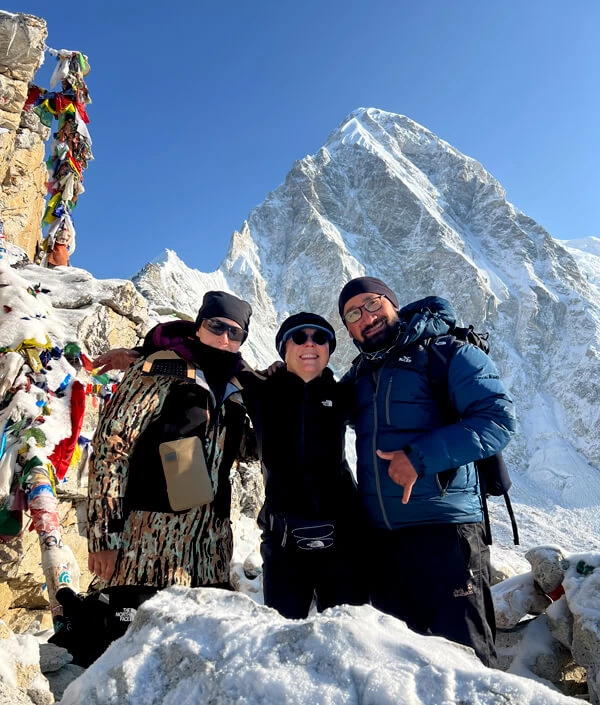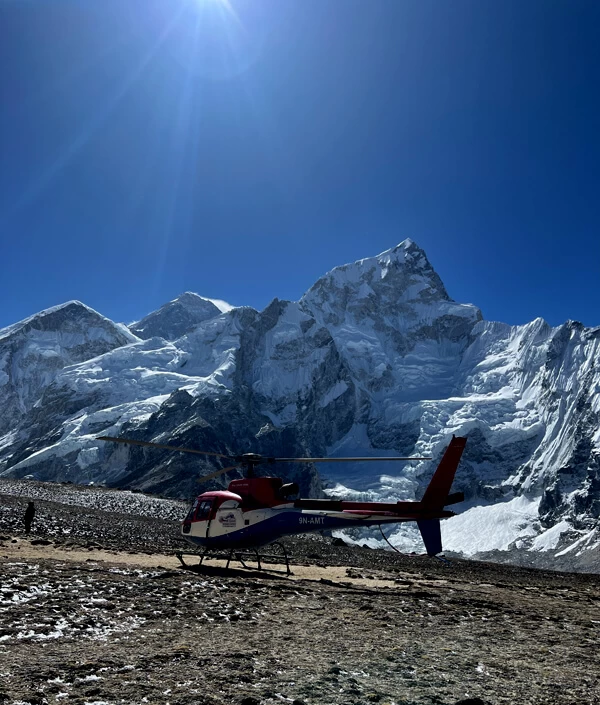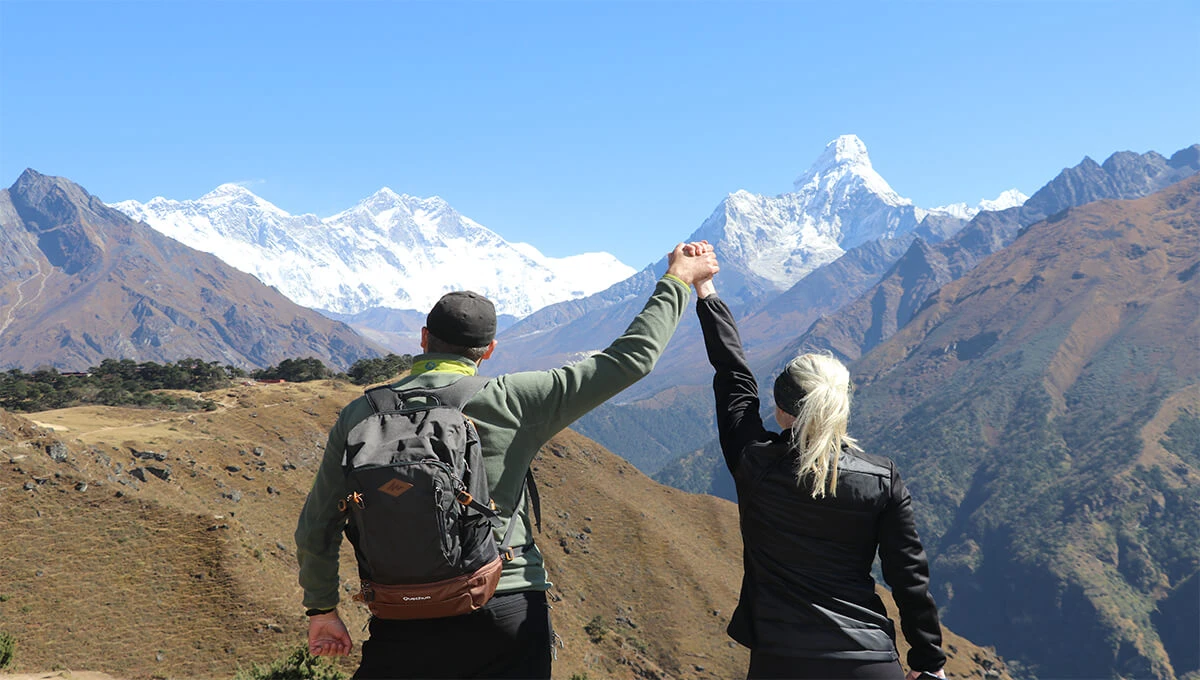
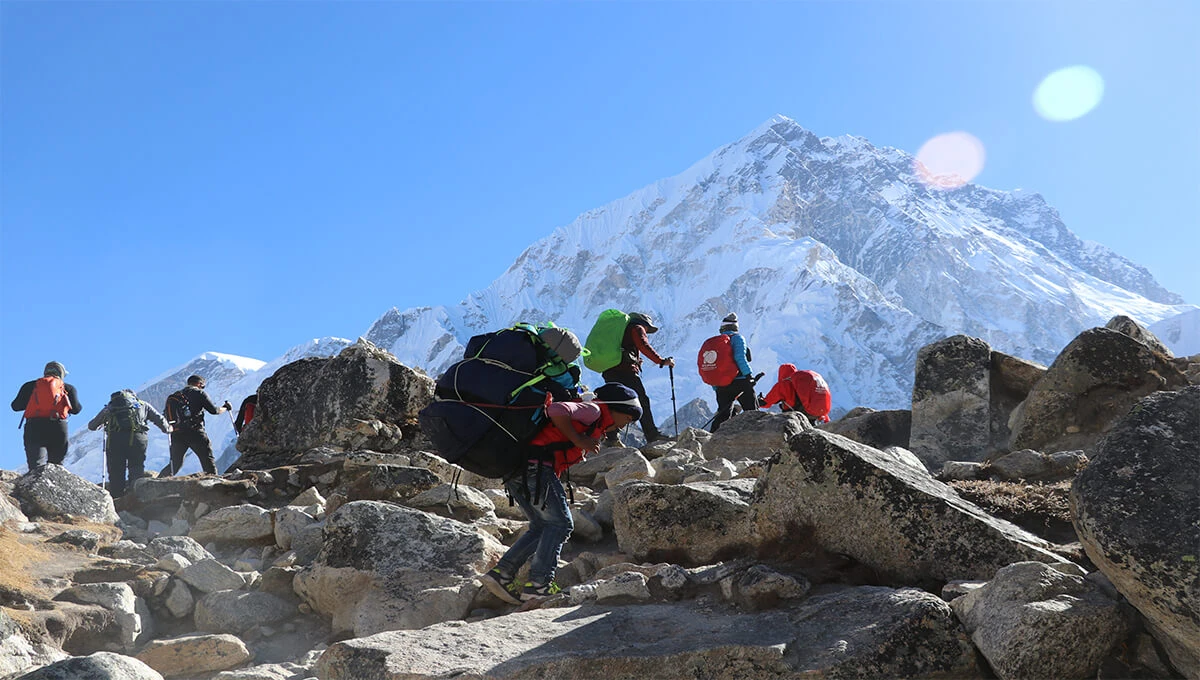
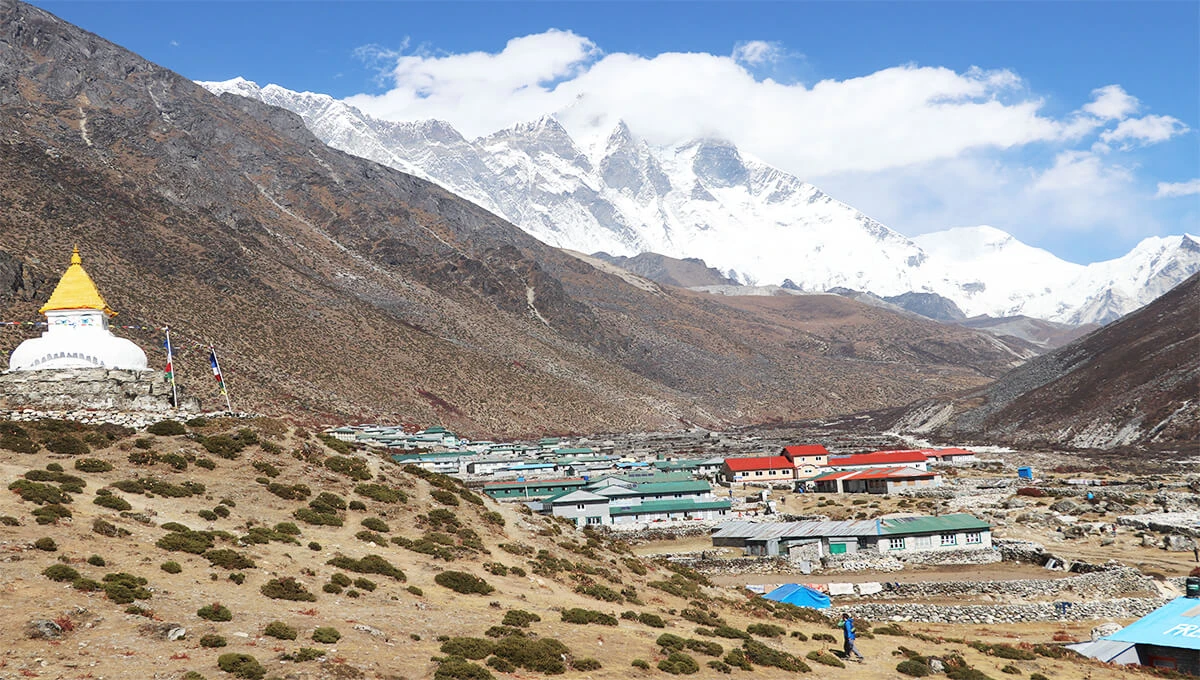
Himalayan mountain landscape along a trekking route in Everest
Trekker walking along a mountain trail in the Everest region of Nepal
Small Buddhist monastery overlooking a wide Himalayan valley in Nepal

Short Everest Base Camp Trek - 10 Days

31 reviews in Trip Advisor
11 reviews in Google Reviews
Recommended by 99% of travelers
Duration
10 Day
Trip Grade
Moderate
Country
Nepal
Maximum Altitude
5,545 m / 18,192 ft
Starts
Kathmandu
Ends
Kathmandu
Activities
Trekking & Hiking
Best Time
Spring (Mar - May) & Autumn (Sep - Nov)

Short Everest Base Camp Trek Overview 

The Short Everest Base Camp Trek in 10 days is a journey that takes you to Nepal’s Khumbu region. This is a great opportunity for travelers wanting to reach Everest Base Camp without spending two weeks on the trail. The route simply begins with a flight to Lukla before you begin your walk through the popular Sherpa settlements. 

This 10-day Everest Base Camp trek is not simply about getting to the base camp quickly. You walk through Sherpa villages, cross suspension bridges, pass Buddhist monasteries, and move from green hills into the high-altitude landscape of the Khumbu. Namche serves as an important stop along the way and gives you time to adjust to the increasing elevation for the coming days. 

The main achievement is reaching Everest Base Camp, which is reached from Gorakshep, and includes a return on the same day. The next day, you hike to Kala Patthar (5,545 m), another major highlight of your Everest Base Camp Short Trek. Standing here offers one of the clearest viewpoints toward Everest and the surrounding peaks. 

Because this is a short Everest Base Camp trekking itinerary, the walking days are more compact than the standard 14-day Everest Base Camp. That means you need to be comfortable with long days on mountain trails, changing weather, and the effects of high altitude. Acclimatization still matters, especially as the trail climbs above Namche and toward Dingboche. 

Along the way, you see Everest, Lhotse, Nuptse, Ama Dablam, and Thamserku, while the trail passes through the Sherpa settlements. Tengboche Monastery, the Imja Valley, Khumbu Glacier, and the small teahouse settlements give the trek much more character than simply walking toward a single spot. 

If you are searching for an Everest Base Camp Trek for a limited time, this 10-day route offers a better way to experience the classic trail. This isn’t the relaxed version of the trek, though. The shorter itinerary means longer walking days, so you need to prepare properly before setting off. 

Highlights of the Short Everest Base Camp Trek 

  • Stand at the foot of the world’s highest mountain, Everest Base Camp at 5,364 m (17,598 ft). 
  • Hike to Kala Patthar (5,545 m/18,192 ft) for close views of Everest, Nuptse, Lhotse, and the surrounding Khumbu peaks. 
  • Complete the classic Khumbu trail in 10 days, designed for trekkers working with a tighter schedule. 
  • Fly from Kathmandu/ Ramechhap to Lukla, giving you quick access to the Everest region and also one of the world’s most dangerous airports. 
  • Spend an extra day in Namche Bazaar, the main Sherpa town that gives a perfect rest period to adjust your body to the higher elevation. 
  • Visit Tengboche Monastery, one of the best-known Buddhist monasteries in the Everest region. 
  • During your walk to Dingboche, the landscapes start to change, as forested trails give way to open alpine terrain. 
  • Cross the high-altitude section around Lobuche and Gorakshep, which proceeds through rocky paths and along the Khumbu Glacier. 
  • Get a chance to pass through the Sherpa villages and learn about the culture and traditions of the mountain people. 
  • See some of the towering Himalayan peaks, including Everest, Lhotse, Nuptse, Ama Dablam, Thamserku, and Kongde. 
  • Combine your Everest Base Camp with Kala Patthar even though the itinerary is compact. 
  • Experience the changing landscape from Lukla to the high Himalayas, giving you a way to see pine and blooming rhododendron forests and finally rocky glacial terrain. 

Short Everest Base Camp Trek Route and Altitude 

The Short EBC route begins with a flight to Lukla at 2,860 m. From Lukla, the trail goes to Phakding and then climbs toward Namche Bazaar at 3.440 m. This is where the trek starts to feel harder than you think. 

After Namche, you walk through Tengboche and continue toward Dingboche at 4,410 meters. From here, the villages start to get limited, and the scenery keeps on changing to more rocky the moment you gain altitude. The trail continues through Lobuche and Gorakshep before reaching Everest Base Camp at 5,64 meters. 

Standing here, the Khumbu Glacier and surrounding peaks are much closer from this part of the trail. Kala Patthar is also a part of the trek and reaches 5,545 meters, the highest altitude for the Short EBC trek. From there, the descent towards Pheriche and Namche is done, followed by getting back to Lukla and a next-day flight to Kathmandu. 

Itinerary for the Short Everest Base Camp Trek 

Your short EBC trek Itinerary includes an early morning flight from Kathmandu to Ramechhap, and then heading to the mountain airport of Lukla, followed by a short 3 to 4 hours of walking towards Phakding. In the coming days, you move from Namche Bazaar, where you have an extra day to rest and acclimatize before heading to Tengboche and Dingboche. 

From Dingboche, the trail takes you further through Lobuche and Gorakshep. From there, you make your final trek to Everest Base Camp and return to Gorakshep on the same day. The next morning includes a short yet rewarding hike to Kala Patthar, which is known to bless you with a closer look at the snowy peaks and breathtaking sunrise views. 

On your final days of your trek, you descend back to Namche Bazaar and Lukla, marking the end of your trip. However, your day 10 involves a scenic mountain flight back to Kathmandu or Ramechhap, and finally concludes your short EBC trek. It's equally important to know that the schedule is tight, so each day involves long hours on the trail.  

How Difficult is the Short Everest Base Camp Trek?

The Everest Base Camp trek in 10 days is rated moderate to challenging. Even though you don’t need technical climbing skills, being prepared for long hours of walking each day, often on uneven mountain trails, is necessary. The altitude is another factor, especially once you move above Namche. 

The 10-day schedule makes the trek more demanding than a longer EBC itinerary. There is less time to spend on the walking distance across the day, so some sections do require a steady pace for much of the day. 

Good preparation can make a huge difference. Regular walking, uphill training, stair climbing, and longer weekend hikes are useful before the trip. It also helps if you are already comfortable spending several consecutive days on your feet. 

Short Everest Base Camp Trek Cost and What’s Included

The cost of the Short Everest Base Camp trek depends on the group size, services included, and the season you travel. Your 10-day Everest Base Camp Trek package covers the Lukla flight, accommodation, three meals a day, necessary permits, a guide, and porter services. Nevertheless, it's equally important to check what your package actually covers before booking. 

Number of Trekkers Price Per Person
1 pax US$1295
2 pax US$1255
3-5 pax US$1199
6-10 pax US$1155
11-15 pax US$1099
16-20 pax US$999

Most of the trekking agencies do cover your essential facilities on the package cost. However, the Kathmandu accommodation and Lukla flights can sometimes not be included in the price, so it's better to confirm before your trip. 

Best Time for the Short Everest Base Camp Trek 

For those planning their Short Everest Base Camp Trip, it’s better to choose spring and autumn. These are the most preferred seasons for trekking in the Everest region. March to May is known to bring clear days, warm temperatures, and well-maintained routes. September to November is for stable weather, predictable climate, and crystal-clear mountain vistas. 

Spring is a great option if you want to see the scenery in its purest form with warm weather. During this time, the route gives way to blooming rhododendron forests and forested sections that make the way even more peaceful and engaging. 

Even autumn is another predictable time for your Everest Base Camp Trek. Starting just after monsoon in Nepal, the views are more dramatic, and accommodations are also easily available throughout the route. However, the trail can be busier than spring, especially around Namche and above. 

Winter and monsoon treks are possible, but are recommended only for those who have prior experience. Snow and cold can affect the higher sections in winter, while rain and heavy clouds can make the lower trail wetter, and flights to Lukla are less predictable during the monsoon. 

Weather and Temperature on the Everest Base Camp Trek

Weather on the Everest Base Camp trek changes a lot as you gain altitude. The lower section around Lukla and Namche can be managed in the day, but the temperatures start to drop, usually in the evening. Once you reach Dingboche and the higher villages, cold mornings and nights become normal. 

Season Lukla / Namche Dingboche Gorakshep / EBC Kala Patthar
Spring (March to May) 5°C to 18°C -5°C to 10°C -12°C to 5°C -15°C to 2°C
Autumn (Sep - Nov) 5°C to 17°C -5°C to 9°C -12°C to 4°C -15°C to 1°C
Winter (Dec - Feb) -5°C to 10°C -15°C to 5°C -20°C to -5°C -25°C to -10°C
Monsoon (June - August) 10°C to 20°C 0°C to 12°C -5°C to 7°C -8°C to 5°C

Near Gorakshep and Everest Base Camp, conditions can be much colder, particularly early in the morning. Kala Patthar is even more exposed, so the temperature can feel harsh before sunrise. 

Is the Short Everest Base Camp Trek A Right Choice for You?

Doing the 10-day EBC trek can fit well if you have a limited duration of stay in Nepal and wish to reach the Base Camp on foot. Ten days gives you a compact version of the classic EBC route without needing to spend two full weeks in the mountains. 

It suits trekkers who can manage long walking days and are comfortable with a faster pace. You don’t need to be an experienced mountaineer, but regular walking and some uphill training before the trek will make the days easier. 

This option may not suit everyone. For those who prefer short walks, need more time for altitude adjustment, or wish to walk at a slower pace, this 10-day itinerary may not be what you are looking for. 

The 10 days options is for those who are tight on schedule and want to experience Everest and major areas like Namche Bazaar, Tengboche, Dingboche, Everest Base Camp, and Kala Patthar before returning to Lukla. 

Why Choose Us for Your Short Everest Base Camp Route?

Completing the Everest Base Camp Trek in a short time can require more than just planning the itinerary. For that, you need an expert agency that can focus more in providing a clear itinerary, practical trekking support, and the services you need for preparing through the trek. 

  • We provide a clear 10-day itinerary that covers the route details, walking days, elevations, and major stops along the way so you know what to expect before the trek begins. 
  • Your trek is supported by a Sherpa trekking guide and local porter throughout the mountain journey. They help with navigation, logistics, and carrying your main luggage. 
  • The required trekking permits and documents are arranged as part of the trekking services, so you don’t have to manage any paperwork alone. 
  • All transportation included in the itinerary is arranged according to the planned route, including the flight to Lukla. 
  • Accommodation is arranged at local teahouses in advance, giving you a better place to stay overnight. 
  • We provide details about the itinerary, inclusions, exclusions, costs, and preparation requirements so you can plan your trek with a clear understanding of what the package covers. 
Short Everest Base Camp Trek - 10 Days Itinerary

Start Point: Kathmandu
End Point: Kathmandu
Expand All

Your Short Everest Base Camp Trek starts with an early morning flight from Kathmandu or Ramechhao to Lukla. The flight takes around 30-35 minutes, and once you land, you meet the trekking team and get ready for the walk. Lukla sits at 2,860 m, so take a little time to settle in before starting the trek. 

From Lukla, you walk towards Phakding. The distance is around 7 to 8 km, and it usually takes 3 to 4 hours. This day’s walk is relatively short, giving you a chance to take it easy before the longer walking days ahead. You spend the night at a local teahouse in Phakding. 

Max Altitude: 2,610 m / 8,563 ftMeals: breakfast, lunch, dinnerAccommodation: Tea house

Today you head from Phakding to Namche Bazaar, and this is where you start to notice the trail getting more demanding. You walk about 10 to 11 km, which takes around 5 to 6 hours. The trail follows the Dudh Koshi Valley, passing small villages and suspension bridges before reaching Jorsale. 

After Jorsale, the trail climbs more steadily toward Namche. Take your time here rather than trying to rush the uphill sections. You reach Namche Bazaar, where you can settle into the teahouse, have a warm meal, and rest after the walk. The town is also your main stop for adjusting to the higher altitude.

Max Altitude: 3,440 m (11,286 ft)Meals: breakfast, lunch, dinnerAccommodation: Tea house

Today is an acclimatization day in Namche Bazaar, so you don’t need to move to another village. After breakfast, you take a short morning hike toward Everest View Hotel or one of the nearby viewpoints. The walk is around 4-6 km and takes about 2-3 hours, giving your body some time to adjust to the altitude. 

After the hike, you return to Namche for lunch and have the rest of the day to relax. You can walk around the town, visit local shops, or simply enjoy the mountain views. On this day, you spend another night at the teahouse in Namche before heading higher tomorrow. 

Meals: breakfast, lunch, dinnerAccommodation: Tea house

After breakfast in Namche, you leave the busy mountain town behind and start heading deeper into the Khumbu. The trail first drops toward the Dudh Koshi before climbing back up to Tengboche at 3,860 m. After a short stop around Tengboche, you continue through the Imja Valley toward Dingboche. 

It’s a long walking day, covering around 18 to 20 km in about 8-9 hours. The climb after Tengboche can take some effort, especially as the altitude increases, so keep a steady pace and take breaks when needed. By the time you reach Dingboche, you get enough time to settle into the teahouse, have dinner and get some rest. 

Max Altitude: 4,410 m / 14,469 ftMeals: breakfast, lunch, dinnerAccommodation: Tea house

Trekking from Dingboche to Lobuche starts after having an early morning breakfast. On this day, the trail is well-managed, but the colder temperatures, open landscapes, fewer trees, and rocky ground can make it harder. The trail passes through the Khumbu Valley and along the section near the Khumbu Glacier moraine. There is nothing to rush today, as you simply maintain a comfortable pace and ascend along the trail.  

Max Altitude: 4,740 m / 16,207Meals: breakfast, lunch, dinnerAccommodation: Tea house

After having your breakfast, you leave from Lobuche and begin your first trek to Gorakshep. It takes you deeper into the high-altitude landscapes, and at 5,164 meters, you make your first rest at Gorakshep. Here, you leave all your extra belongings at the teahouse and begin your final climb toward Everest Base Camp. 

Walking on this section involves rocky, uneven, and loose moraine trails. The moment you reach Everest Base Camp, simply enjoy the surrounding area and get a sense of accomplishment upon reaching the world’s highest peak.  

Max Altitude: 5,364 m / 17,598 ftMeals: breakfast, lunch, dinnerAccommodation: Tea house

Today, you begin your day early in the morning and hike to Kala Patthar before sunrise. The climb can be steep at times, but the rewards you get to see upon reaching the top are unforgettable. After a short hike, you reach 5,545 meters, a vantage point to witness the stunning mountain peaks up close. 

The full walk is around 12-14 km and takes about 6 to 8 hours. Most of the day is spent descending through the Khumbu Valley, which feels easier on the legs than the climb to Kala Patthar. You then reach Pheriche, where you have dinner and rest for the night.

Max Altitude: 5,545 m / 18,192 ftMeals: breakfast, lunch, dinnerAccommodation: Tea house

Making your trek from Pheriche towards Namche involves mostly downhill sections, even though staying extra cautious is important. The trail takes you down through the Khumbu Valley, giving a familiar route that you used at the start. 

The moment you get down, the landscape again starts to get greener, and the air feels warm and easier to breathe. There are resting places as well on the way, giving you a comfortable way. 

Max Altitude: 3,440 m / 11,286 ftMeals: breakfast, lunch, dinnerAccommodation: Tea house

Today is your final day of the trek, as you simply make your way towards Lukla, the gateway to Everest. The walk feels much easier than the previous day, as you cross through the Khumbu Valley, pass suspension bridges, and Sherpa settlements that give much better insights for the last time. 

This day’s walk covers 18 to 20 km, around 7 to 8 hours, giving you much greener and forest trail sections. It is what actually makes the walk feel much more relaxed, with shade that protects from the sun.

Max Altitude: 2,860 m / 9,383 ftMeals: breakfast, lunch, dinnerAccommodation: Tea house

With a delicious breakfast at the teahouse, you then begin your short walk toward the airport for your return flight. The flight usually takes around 30-35 minutes, which gives enough time to witness the stunning mountain views and the city from a different angle. By the time, you reach Kathmandu, our team representative will be there waiting to transfer at your hotel. If you land in Ramechhap, you continue by road to Kathmandu.

Max Altitude: 1,400 m / 4,593 ftMeals: breakfastAccommodation: Hotel
Let us help You Plan Your Perfect Holiday
Looking for a customized trip? Let us know your estimated holiday time, budget, travel style, etc. We will design an amazing personalized itinerary for you.

Cost Details

Includes

  • Airport pickup and drop-off services to and from Tribhuvan International Airport to your hotel in Kathmandu. 
  • Flight between Kathmandu/ Ramechhap and Lukla as mentioned in the itinerary. 
  • Government-registered Sherpa Trekking guide and local porter to carry your main luggage. 
  • Teahouse accommodation during the trek. 
  • Breakfast, lunch, and dinner during the trekking days. 
  • Sagarmatha National Park Permit Fees. 
  • Khumbu Pasang Lhamu Rural Municipality Permit for the Khumbu region. 
  • Guide and porter costs for their accommodation, meals, insurance, and other basic expenses during the trek. 
  • Duffle bag for trekking provided by the company. 
  • Applicable government taxes and service charges included in the package. 
  • Necessary trekking arrangements and logistical support for the planned itinerary. 
  • Basic first aid kit. 

Excludes

  • International flights to and from Nepal are not included. 
  • The cost of obtaining a Nepal tourist visa. 
  • Travel insurance that specifically includes high-altitude trekking and emergency helicopter evacuation. 
  • Personal expenses such as snacks, drinks, souvenirs, and other personal items are not included. 
  • Hot showers, WiFi, and electronic-device charging require an additional fee. 
  • Bottled water, soft drinks, and other purchased beverages are not included. 
  • Personal trekking gear such as boots, clothing, sleeping bags, and other personal equipment must be arranged separately. 
  • Tips for guides, porters, and other trekking staff. 
  • Extra accommodation in Kathmandu or elsewhere caused by early arrival, delayed flights, or changes to the itinerary. 

Essential Information

Gear and Packing Essentials for a Short EBC Trek

Packing for the Short Everest Base Camp Trek is more about staying warm, dry, and comfortable as the altitude and weather change. For that, you don’t need to overpack, but having a few layers and trekking essentials can make long days on the trail much easier. 

Upper Body 

  • Moisture-wicking T-shirts to keep sweat away from your skin during long walks. 
  • Long-sleeved trekking shirts to protect your skin from the sun and light wind. 
  • Fleece jacket to protect against sudden temperature drops
  • Down or insulated jacket for extra warmth at high altitude. 
  • Thermal tops layers 
  • Sun hat or cap
  • Warm beanie 
  • Buff or neck gaiter 

Lower Body 

  • Trekking pants to allow for comfortable movement during long walking days. 
  • Lightweight hiking trousers for warmer sections and daytime. 
  • Thermal leggings. 
  • Waterproof trousers to keep your legs dry during rain or snow. 
  • Warm insulated trousers to prevent discomfort during consecutive trekking days. 
  • Trekking socks to protect your legs from blisters, as well as extra pairs. 

Footwear 

  • Good-quality trekking boots to provide ankle support and grip for uneven mountain trails. 
  • Camp shoes or sandals during your stay at teahouses. 
  • Gaiters for snow, mud, and stone sections. 

Trekking Items

  • Daypack that can fit water, snacks, layers, and other items. 
  • Duffle bag to keep your main trekking and clothing gear. 
  • Trekking poles for extra stability. 
  • Headlamp with extra batteries. 
  • Water bottle to carry clean drinking water. 
  • Sunglasses to protect your eyes from strong UV rays. 
  • Sleeping bag for additional warmth. 
  • Waterproof backpack cover 
  • Water purification tablets. 

Personal Essentials 

  • Passport and travel documents 
  • Travel insurance details 
  • Sunscreen and Lip balm with SPF 
  • Personal toiletries 
  • Hand sanitizer and tissues 
  • Personal medication 

Accommodation and Meals During the Trek 

For your Short Everest Base Camp Trek, accommodation is arranged at mountain teahouses that are run by the Sherpa locals. The rooms are simple, with beds, blankets, and bathrooms on a shared basis at higher altitudes. Similarly, as you gain elevation, the rooms get even more basic, so carrying a sleeping bag is highly recommended for everyone. 

In the same way, meals are provided at the teahouse where you make your stay. You will be getting three meals a day (breakfast, lunch, and dinner) that are delicious and fulfilling. Teahouses usually include basic yet fulfilling options such as dal bhat, noodles, rice, pasta, soup, and bread. However, the day you get to higher elevations, food choices may be more limited, so carrying a few snacks can be necessary. 

Guide and Porter for Short Everest Base Camp Trek

A trekking guide is important for doing this trek. They help you with the route, daily schedule, and practical arrangements along the trail, and are very useful while you navigate through higher sections. Along the way, they even help you coordinate with teahouses and handle the day’s trekking arrangements. 

A porter, on the other hand, carries your main trekking luggage and ensures that you walk comfortably with just a light daypack. This can make the longer walking days more manageable, mainly on the section above Namche. You normally carry only the things you need during the day, while your main bag is transported to the next stop. 

Permits Required

For the Short Everest Base Camp Trek, you need two major permits. The first one is the Sagarmatha National Park Entry Permit, and the second one is the Khumbu Pasang Lhamu Rural Municipality Permit. 

These permits can be easily obtained through a registered trekking agency in Kathmandu. So, you don’t need to go individually and secure the permit from the Nepal Tourism Board Office. For that, you need to submit your passport details and other related documents to your agency. Since the permit rules and fees can change, it’s better to check the latest requirements. 

Altitude Sickness and Acclimatization 

Altitude sickness is common during the Short Everest Base Camp trek because the route climbs above 5,000 m. Along the way, you might get symptoms such as headache, nausea, dizziness, unusual tiredness, and difficulty sleeping. Even the moment you gain altitude, the risk increases, so don’t ignore symptoms or try to push through them if you are feeling unwell. 

This 10-day itinerary includes an acclimatization day in Namche Bazaar, with a short hike to a higher viewpoint before you return. The days are also less; you spend most of your time navigating the way. However, drinking enough water, eating regularly, and allowing your body to adjust as you climb can be a better approach. 

Travel Insurance 

Travel insurance is an important part of preparing for the Short Everest Base Camp Trek. However, if you policy does not cover high-altitude trekking above 5,000 meters, there is no benefit of having a insuranc done. Therefore, be sure to choose the policy that specifically includes trekking up to 5,500 m and other important details. 

Before that, check what your policy actually covers. It should also include flight delays or cancellations, trip interruption, and baggage loss if these are included in your policy. If you need emergency assistance, having the policy information available can make the process easier. 

Short Everest Base Camp Trek - 10 Days FAQs

Yes, it is possible to reach Everest Base Camp in 10 days if you choose to follow a compact itinerary. This route reaches Everest Base Camp, includes an acclimatization day in Namche Bazaar, and continues to Kala Patthar. The shorter schedule means some days are long, so it isn’t the same pace as the 12- and 14-day EBC itinerary.

Ten days can be enough if you are comfortable with a faster trekking schedule and long days on the trail. Your itinerary includes one acclimatization day in Namche and combines some other longer sections. For someone wanting more time for altitude acclimatization, choosing the 14-day itinerary can be a better option. 

For now, the Short Everest Base Camp trek is considered a moderate to challenging trip that does not require any technical skills. However, you must be able to handle long walking hours, too, through uneven mountain trails and reach comfortably to 5,545 meters.

Yes, this Short Itinerary includes Kala Patthar. It usually takes place early in the morning from Gorakshep and descends to Pheriche on the same day. Kala Patthar is also the highest altitude of this trek, which sits at 5,364 m.

For the most rewarding time, Spring and autumn are truly the ones considering if you really want an easier journey. During these times, you are rewarded with jaw-dropping mountain views, moderate temperatures, and trails that are well-marked from the start. 

The cost depends on the number of trekkers you are, as for a group travelers, they are required to may a more affordable rate for each person. Booking this covers all your important facilities such as flight to Lukla, accommodation, three meals a day, guide, and porter services. But know, that Nepal visa, snacks, drinks, internet, WiFi, charging, and hot shower fees are needed to be paid separately by the trekkers.

Yes. Even on a short itinerary, your body needs time to adjust to the lower oxygen levels at altitude. This 10-day route includes an acclimatization day at Namche, where you take a short hike before returning to the same altitude for the night.

The trek requires permits to gain access to the Everest region. Therefore, having the Sagarmatha National Park Entry Permit along with the Khumbu Pasang Lhamu Rural Municipality Permit are two that must be obtained from Kathmandu. Trekking with a trusted agency can help you secure all the required permits on your behalf. 

Some days do include walking for about 4 to 5 hours, while the final section from Lobuche to Gorakshep and then to Everest Base Camp requires 8 to 10 hours of walking. However, this can easily be manageable as you won’t be walking completely for this time; this includes time for rest as well.

The only difference you get to see and feel is the walking hours and acclimatization plan. While the 10 days includes walking for around 6 to 7 hours each day and extra day for altitude adjustment in Namche. The 14 days plan includes shorter walking hours and two days acclimatization plan in Namche and Dingboche.

Someone who are new to trekking in Everest region, the 14 days Itinerary can be a safe and rewarding opportunity for them. This itinerary includes proper adjustment days, fewer walking hours, and is perfectly planned for first-time trekkers. 

You May Also Like

Mount Thamserku
Trekkers Choice

Everest Base Camp Trek - 14 Days

Price From
US$1449US$1599
Explore
Everest Base Camp with Gokyo Lake Trek view from Kala Patthar

Everest Base Camp with Gokyo Lake Trek - 17 Days

Price From
US$1499
Explore
Need Help? Call Us+977 9851031822