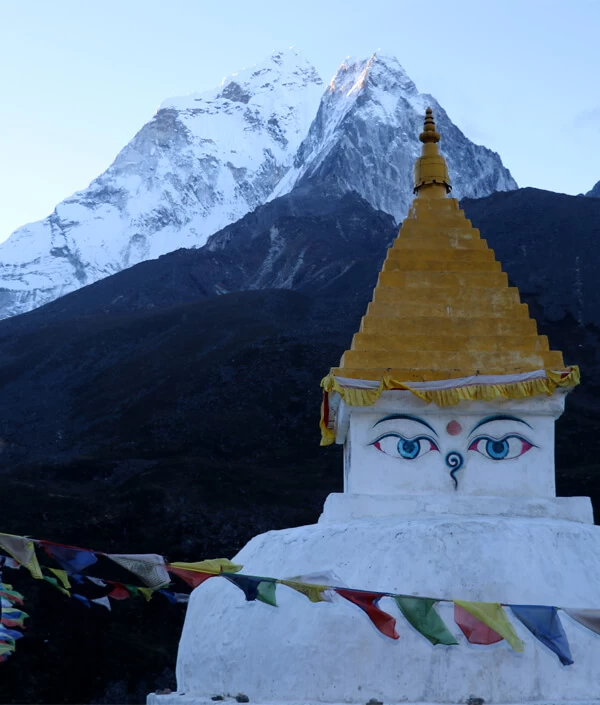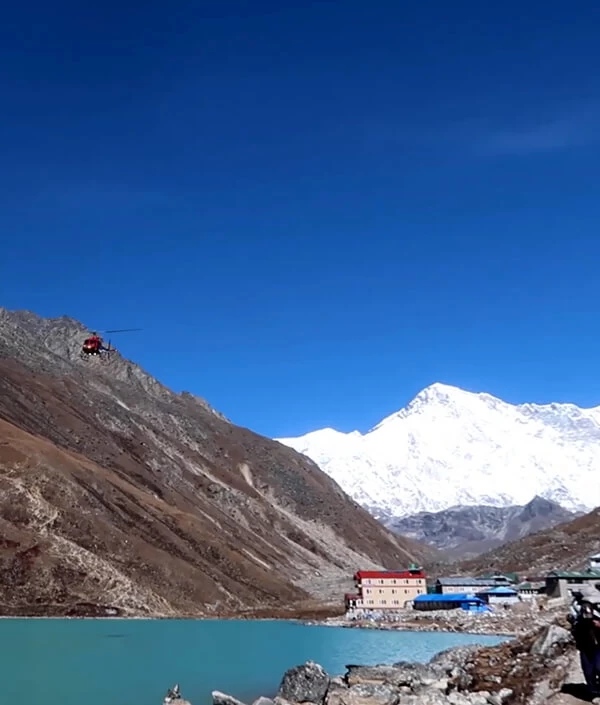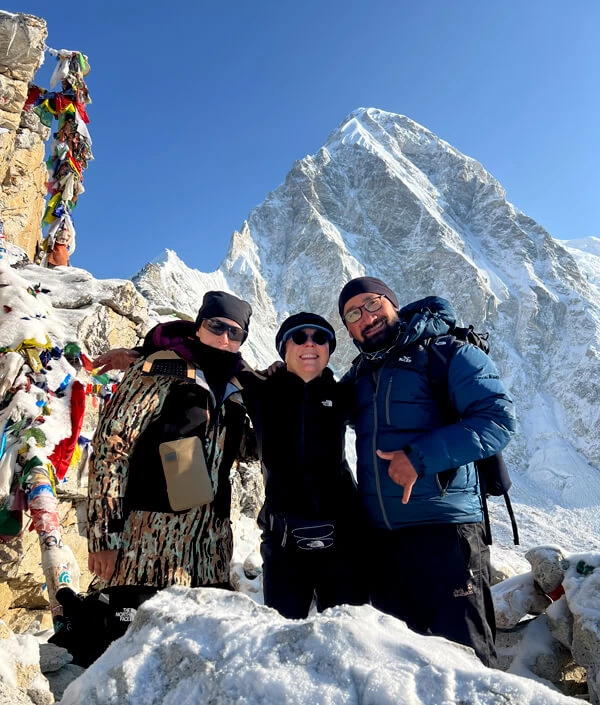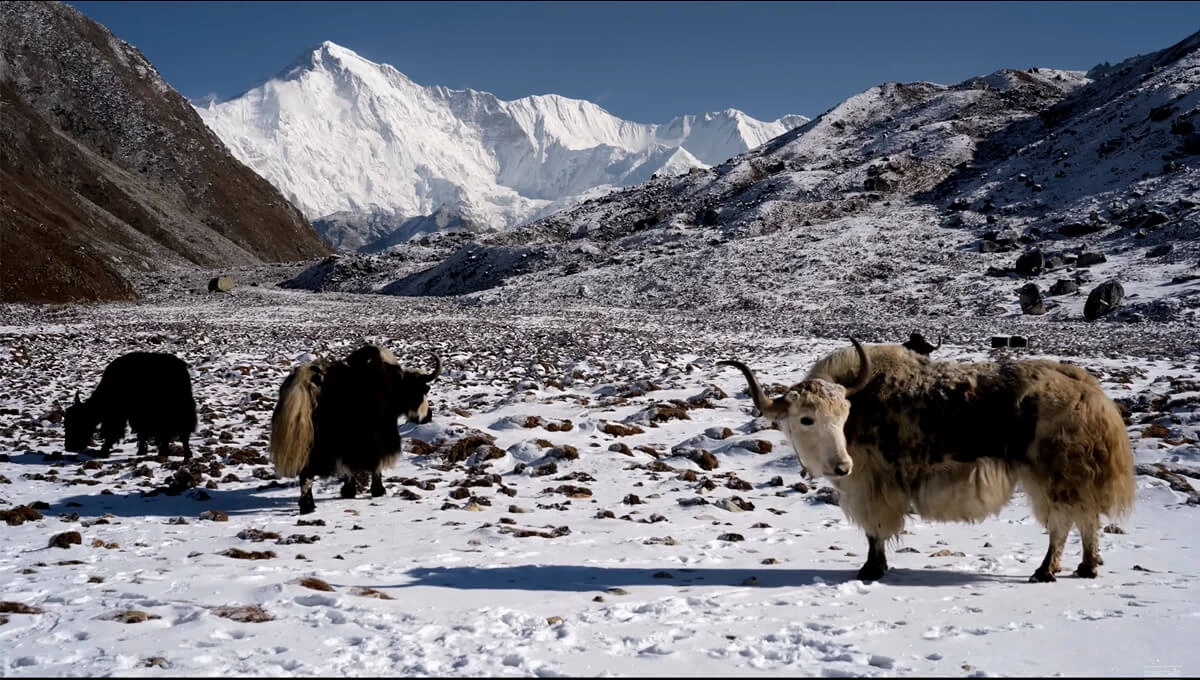
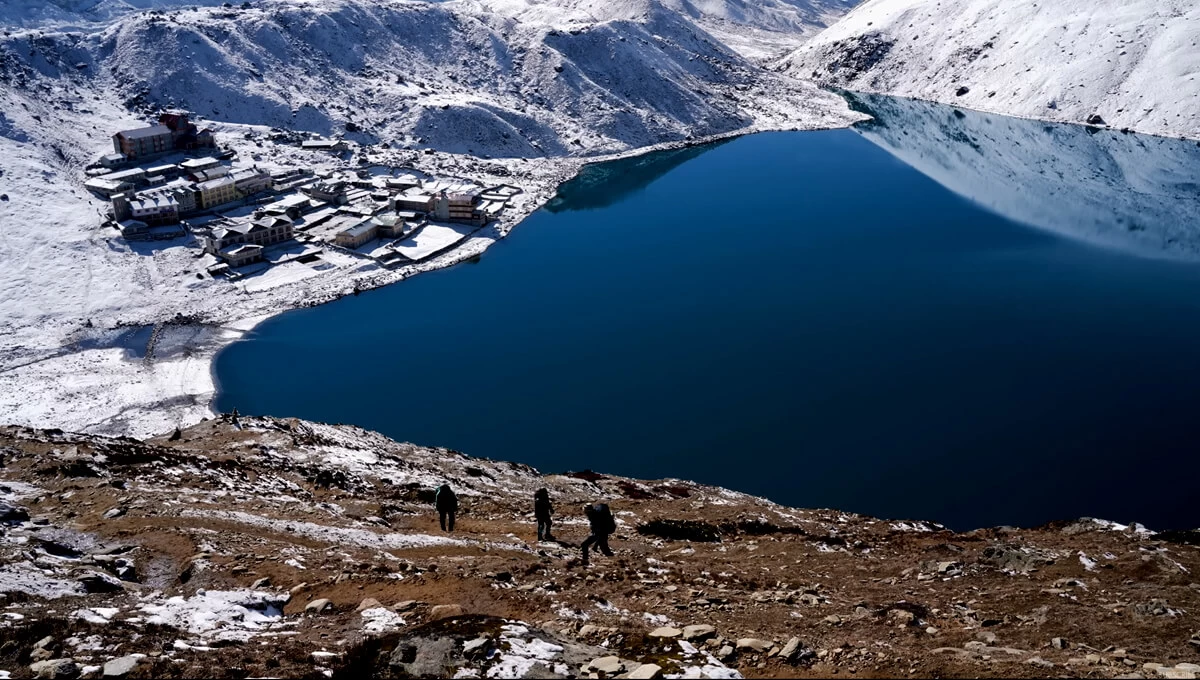
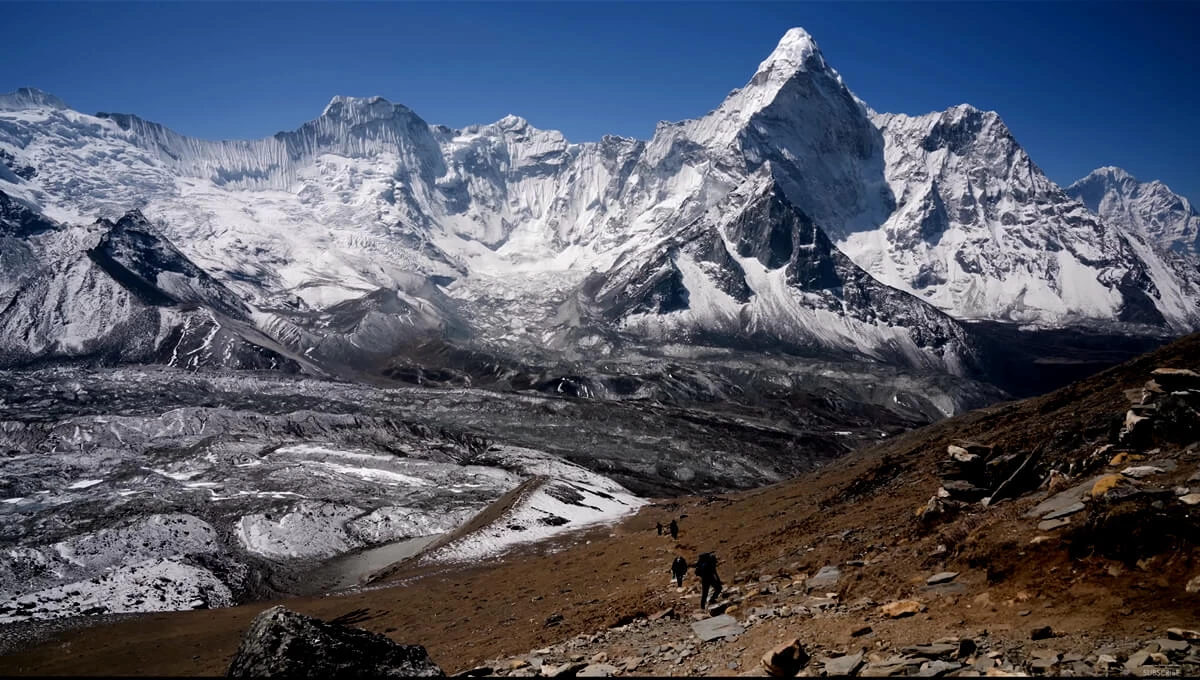
Mountain seen from Gokyo
Gokyo Lake And Village
Way to Kongma La Pass

Everest Three Pass Trek - 18 Days

31 reviews in Trip Advisor
11 reviews in Google Reviews
Recommended by 99% of travelers
Duration
18 Days
Trip Grade
Technical Challenging
Country
Nepal
Maximum Altitude
5,545 M (18,192 ft)
Group Size
1-15
Starts
Kathmandu
Ends
Kathmandu
Best Time
Spring and Autumn

Trip Overview

The Everest Three Pass trek is considered one of the most challenging yet fascinating experiences in the Khumbu Region of Nepal, providing trekkers with stunning natural beauty and a rich cultural experience. During the trek, you can witness the great Himalayas passing through the Sherpa village with mesmerizing views of the mountain vistas. This Everest Three Pass Trek usually lasts 20 - 24 days, including high-altitude terrains and exploring small villages at higher elevations.

The Everest Three Pass includes Kongma La Pass at an altitude of 5,535 M (18,159 ft), the highest amongst the three passes, offering you stunning views of the surrounding peaks like Everest, Lhotse, and Makalu. Cho La Pass, situated at an altitude of 5,420 M (17,782 ft), is the route that connects the Khumbu Valley with the Gokyo Valley, providing you with mesmerizing views of Everest and surrounding peaks. The next pass is the Renjo La Pass at an elevation of 5,360 M (17,583 ft), which offers you stunning vistas of the Everest range and Gokyo Lake with a panoramic viewpoint.

Your journey to the Everest Three Pass begins with a short flight from Kathmandu to Lukla with mesmerizing views of the mountains from your window. Upon reaching Lukla, you head towards Namche Bazar, a vibrant Sherpa village that offers a steep ascent and descent along breathtaking mountain peaks. During the trek, trekkers can experience the Sherpa culture and tradition and visit the old monasteries of this region.

Gokyo Lake, Gokyo Ri, and Everest Base Camp are the major highlights of the Everest Three Pass Trek. Trekkers may also encounter Himalayan wildlife, including the Himalayan Tahr and the red panda, as well as diverse alpine flora. This trek is mostly challenging due to high altitudes, steep climbs, and unfavorable weather conditions, so trekkers must have good physical fitness and previous trekking experience, which makes the journey easy and comfortable for them.

Important Highlights of the Everest Three Pass Trek

  • One of the most difficult trekking expeditions in the world.
  • Experience Everest Base Camp, Gokyo Lakes, and Gokyo Ri.
  • Witness the unique mountain views and a variety of landscapes.
  • Visit ancient monasteries and stupas like the Tengboche monasteries.
  • Stunning views of the Khumbu Icefall.
  • Spotting Himalayan wildlife and diverse alpine flora.
  • High-altitude lakes with breathtaking views.
  • Panoramic views of Everest Massif, Lhotse, Makalu, Cho Oyu, and Ama Dablam.
  • Crossing high-altitude passes like Kongma La Pass, Cho La Pass, and Renjo La Pass.
  • Enjoying local cuisines and drinks offered by the locals of the area.

What can you expect on the Everest Three Passes Trek?

The Everest Three Passes Trek is one of the most challenging yet rewarding adventures in the Himalayas, where you can expect high-altitude trails, quiet valleys, Sherpa culture, and mesmerizing views of Everest, Lhotse, Makalu, and Cho Oyu. The route includes crossing the high-mountain passes, Kongma La, Cho La, and Renjo La Passes, giving trekkers a peaceful experience in the Everest region. 

Kongma La Pass (5,535 m)

The Kongma La Pass is one of the major highlights of the three passes, situated at an altitude of 5,535 m. While you cross the high-mountain pass, you can expect steep climbs, rocky terrain, and breathtaking views of Ama Dablam, Lhotse, and Nuptse. This section of the pass can be tough with long ascents, making the walk even more challenging. Crossing the Kongma La Pass is the toughest part of the entire Everest Three Passes Trek. 

Cho La Pass (5,420 m)

The Cho La Pass, located at an elevation of 5,420 m, is well-known for its icy trails and glacier crossing. At this time, trekkers can expect a mix of steep rocky sections and snow-covered trails; however, it all depends on the season you take on the trek. The pass connects Gokyo Valley with the Everest Base Camp Route, making it the most exciting and technical highlights of the Everest Three Pass Trek. 

Renjo La Pass (5,360 m)

The Renjo La Pass is often the most beautiful yet rewarding route during the Everest Three Pass Trek. During your trek, you can witness the wide open panoramas of the Himalayas, including the amazing beauty of Everest, Gokyo Lakes, and Cho Oyu. The trail can be challenging with less technical sections, offering a peaceful and scenic experience. The major highlights of this pass are the chances to see the dramatic landscapes and high-altitude viewpoints. 

Is the Everest Three Pass Trek the best alternative to Everest Base Camp?

The Everest Three Pass Trek is considered one of the best alternatives to the Everest Base Camp Trek, as the journey includes a more challenging and rewarding Himalayan adventure. This Three Pass trek includes major routes, Renjo La (5,360 m), Cho La (5,420 m), and Kongma La Pass (5,535 m), where you are treated to the panoramic views of mountains like Everest, Lhotse, Makalu, and Cho Oyu, which are even more amazing than the Classic Everest Base Camp Route. 

Compared to the popular and crowded Everest Base Camp route, the Three Pass Trek offers a quieter and more immersive experience with chances to pass through remote valleys, traditional Sherpa villages, and witness the diverse landscapes. Some trekkers choose this joureny, as it combines Everest Base Camp, Gokyo Lake, and all three major high mountain passes, making it one of the most amazing treks in Nepal. 

If you are looking for a challenging Himalayan trek in Nepal that involves fewer crowds and wants to see breathtaking views of the Khumbu region, the Everest Three Pass Trek might be a perfect alternative to the EBC Trek. 

Everest Three Pass Trek - 18 Days Itinerary

Start Point: Kathmandu
End Point: Kathmandu
Expand All

Upon reaching Kathmandu, you will be welcomed by our team representative at the Tribhuvan International Airport. After all the process you will be transferred to your designated hotel in Kathmandu via private vehicle. The members of our team will help you with the check-in process. Take proper rest and explore Kathmandu also known as the city of a thousand temples. Try local cuisines and drinks at Bhaktapur and enjoy the bustling city life throughout the day witnessing the traditions and culture of people.

Meals: BreakfastAccommodation: Hotel

After an early breakfast at Kathmandu, you head towards Lukla via a flight mostly scheduled in the morning. While flying to Lukla you can witness the mountain range from your window. Upon landing at Lukla, huge mountains surround the area with breathtaking views. Now, you will be heading toward Phakding which is the final destination for today. It’s a short hike of about 3 hours covering a total distance of 6.2 km with an elevation of 2,840 M (9,317 ft). The route passes along the Dudh Koshi River with several suspension bridges. Upon reaching Phakding you will be staying at a tea house with basic facilities provided.

Max Altitude: 2,840 M (9,317 ft)Meals: breakfast, lunch and dinner providedAccommodation: Guest house

After an early morning breakfast in Phakding your trek begins towards Namche Bazar. You’ll be passing alongside the Dudh Koshi River with several suspension bridges in the morning. The trek to Namche Bazar gets steeper as there is an increase in elevation of approximately 3,440 M above sea level. After reaching Namche you will be staying at a tea house with basic facilities enjoying your time exploring the market and engaging with the local people.

Max Altitude: 3,440 M (11,286 ft)Meals: breakfast, lunch and dinner providedAccommodation: Tea house

Namche Bazar is the best place for acclimatization to higher altitudes. You can trek to the Everest View Hotel and enjoy the stunning panoramic vistas of the mountain peaks. Namche Bazar is the largest region of the Khumbu Region inhabited by a large population of Sherpas. During your free time, you can visit Khumjung Monastery which lies in the Khumbu Pasang Lhamu Rural Municipality of the Solukhumbu District. Spending a day in Namche can help you acclimatize to higher elevations during your further trek.

Max Altitude: 3,440 M (11,286 ft)Meals: breakfast, lunch and dinner providedAccommodation: Tea house

The trek from Namche to Tengboche starts with a gradual ascend and descent through scenic landscapes including rhododendron forests and suspension bridges over the Dudh Koshi River. Tengboche Monastery offers you with cultural insights and traditions of the Buddhist. During the trek, you should be aware of the weather conditions as at higher altitudes weather is unpredictable which will give you difficulty. It offers you breathtaking scenery of the mountain peaks.

Max Altitude: 3,867 M (12,687 ft)Meals: breakfast, lunch and dinner providedAccommodation: Tea house

The trek from Tengboche to Dingboche takes 6-7 hours covering a total distance of 10 to 11 km. The trek involves a steady descent from Tengboche crossing the Imja Khola River, and then a slope ascent to Dingboche at an elevation of 4,410 M. During the trek, you can witness the stunning views of Everest peak including the Ama Dablam with the Imja Khola Valley. Dingboche is famous for high altitude scenery and proper acclimatization stops for trekkers with rewarding experiences of the Himalayas.

Max Altitude: 4,410 M (14,470 ft)Meals: breakfast, lunch and dinner providedAccommodation: Tea house

Taking a rest day in Dingboche is crucial for adjusting to higher altitude while trekking. This day is important for you as your body needs to acclimatize which reduces the chances of altitude sickness. You can trek to Nagarjuna Hills, where you can enjoy the panoramic views of mountain ranges like Ama Dablam, Lhotse, and Nuptse. Dingboche is famous for its traditional architecture monasteries offering a different cultural experience which helps you to know about Nepali tradition.

Max Altitude: 4,410 M (14,470 ft)Meals: breakfast, lunch and dinner providedAccommodation: Tea house

The journey from Dingboche to Chhukung takes you to beautiful scenery making it a rewarding segment of the Everest Three Pass trek. The trek begins from Dingboche ascending towards Chhukung at an elevation of 4,730 M. The path takes you through the Imja Khola Valley, providing you with breathtaking views of nearby mountains such as Ama Dablam and the Imja Glacier. While hiking you can witness the scenery change from green alpine meadow to rocky rough terrain. You should maintain a consistent speed during the trek to higher elevations.

Max Altitude: 4,730 M (15,520 ft)Meals: breakfast, lunch and dinner providedAccommodation: Tea house

Covering a total distance of 15-17 kilometers at around 8 to 10 hours of duration you do the journey from Chhukung to Lobuche via Kongma La Pass which is challenging but fulfilling on the Everest Three Pass Trek. The trek begins with a steep ascent from Chhukung through rugged glacier terrain to Lobuche via Kongma La Pass. During the trek via Kongma La Pass, you can witness the breathtaking panoramic views of the surrounding mountains. The descent from Kongma La Pass to Lobuche includes challenging terrains, and glacier moraines making it difficult for the trekkers during the trek. You should be fully prepared for the cold weather and snowfall as the weather is unpredictable at higher altitudes.

Max Altitude: Lobuche (4,940 M) and Kongma La Pass (5,535 M)Meals: breakfast, lunch, and dinner providedAccommodation: Tea house

The hike from Lobuche to Gorakshep and then on to Everest Base Camp is challenging but the best experience for trekkers. The distance between Lobuche and Gorakshep spans around 6 to 8 kilometers taking a total of 3 to 4 hours. And from Goarkshep to Everest Base Camp is 6 to 8 kilometers, usually taking 4 to 6 hours to reach. The entire journey from Lobuche to Everest Base Camp and then back to Gorakshep covers roughly around 12 to 16 kilometers taking a total of 10-11 hours. During the trek, you can enjoy the breathtaking vistas of the Khumbu Icefall and surrounding peaks.

Max Altitude: 5,364 M (16,207 ft)Accommodation: breakfast, lunch and dinner provided

Trekking from Kala Patthar to Dzongla is a difficult journey in the Everest Region of Nepal. Kala Patthar located nearer to the Everest Base Camp, provides you with mesmerizing views of Mount Everest. You will be trekking toward Kala Patthar to witness a beautiful sunrise over the Himalayas early in the morning. The hike will be challenging but rewarding for you. After the trek, you will then head towards Dzongla which is a small village near the Cho La Pass connecting the Everest and Annapurna trekking region. The village offers you stunning views of the surrounding mountains often used as a good place to acclimatize before trekking towards Cho La Pass. The trek towards Dzongla involves rugged terrain and high-altitude pass making it challenging for the trekkers yet rewarding with the spectacular views of the Himalayas.

Max Altitude: 5,545 M(Kala Patthar) to 4,800 M(Dzongla)Meals: breakfast, lunch and dinner providedAccommodation: Tea house

Trekking from Dzongla to Gokyo via Cho La Pass is a challenging yet fulfilling journey to the Himalayas of Nepal. The trek from Dzongla starts with a strenuous ascent through Cho La Pass situated at an elevation of 5,420 M with rough and snowy terrain. After crossing the pass, the route descends to Thangnak which is a small village in the Gokyo Valley. The journey from Thangnak to Gokyo passes through beautiful lakes with mesmerizing views of the surrounding mountains enhancing your trekking journey.

Max Altitude: 4,800 M (Dzongla) to 5,420 M (Cho La Pass)Meals: breakfast, lunch and dinner providedAccommodation: Tea house

early morning hike to Gokyo Ri is a rewarding experience in the Everest Region of Nepal, offering mesmerizing panoramic views of the Himalayas and the surrounding peaks. Your hike begins at Gokyo Valley and ascends towards Gokyo Ri, covering a total distance of 3-4 kilometers and taking 2-3 hours to reach. The path is steep and difficult, especially in the morning making it challenging for the trekkers. After reaching Gokyo Ri, you can witness the spectacular sunrise views over the Himalayas, which will be an unforgettable experience. Upon experiencing the views and taking photos, you then descend back to Gokyo for breakfast.

Max Altitude: 5,357 M (17,575 ft)Meals: breakfast, lunch and dinner providedAccommodation: tea house

The trek from Gokyo to Lungden via Renjo La Pass includes an ascending steep elevation located at an elevation of 5,388 M (17,667 ft) offering you stunning panoramic views of the Himalayas and surrounding mountains including Everest, Makalu, and Cho Oyu. After crossing Renjo La Pass, you will then descend to Lungden a small village situated in the Rolwing Valley usually taking around 4-6 hours depending on your pace and trail condition. The trek offers mesmerizing views of the surrounding mountain with adventure for the trekkers through rugged terrain.

Max Altitude: 5,388 M (17,667 ft)Meals: breakfast, lunch and dinner providedAccommodation: Tea house

After an early morning breakfast, you will start your journey toward Namche from Lungden covering a total distance of 11-12 kilometers. The path goes down from Lungden through small villages and dense forests. As you approach Namche, you trek through a steep ascent to a busy trading town and a crucial acclimatization point for trekkers. Namche Bazaar offers you a place to relax and experience the local cuisines with the traditions and culture of Sherpas.

Max Altitude: 3,440 M (11,286 ft)Meals: breakfast, lunch and dinner providedAccommodation: Tea house

The journey from Namche to Lukla takes you through Sherpa villages and dense forests along with the Dudh Koshi River. The route is rugged with rocky paths and river crossings over several suspension bridges making your journey full of memories. Upon reaching Lukla, you will be accommodated in a Tea house with basic facilities provided. Spend your time experiencing the panoramic views of the mountains as you have a chance to savor your memories of the trek one last time.

Max Altitude: 2,800 M (9,100 ft)Meals: breakfast, lunch and dinner providedAccommodation: Tea house

Most of the flights from Lukla to Kathmandu are scheduled during the morning. So, after an early morning breakfast, you will head towards Lukla’s Tenzing-Hillary Airport taking about 30 to 45 minutes offering you spectacular views of the Himalayas. Upon reaching Kathmandu you will then be transferred to your designated hotel via private bus with our team representative. Freshen up and be ready to explore the bustling city and try local cuisines.

Meals: breakfast, lunch and dinner providedAccommodation: Hotel

Our team will drop you at the Tribhuvan International Airport according to your flight departure time via private vehicle enhancing your comfort and safety. We hope you had a warm and nice stay! Feel free to give your feedback and recommendations and we look forward to seeing you trekking with High Camp Adventure again.

Let us help You Plan Your Perfect Holiday
Looking for a customized trip? Let us know your estimated holiday time, budget, travel style, etc. We will design an amazing personalized itinerary for you.

Route Map

Everest Three Pass Trek Map

Cost Details

Includes

  • Pick up & Transfer to and from Tribhuvan International Airport (TIA) to your hotel in Kathmandu.
  • Two nights accommodation at 2/3 star hotel in Kathmandu (breakfasts included).
  • Transportation as per the itinerary (including airfare).
  • Tea-house lodging during the journey.
  • Standard Meals during the journey (breakfast, lunch, dinner).
  • Expert Guide (registered and licensed by the government). High Camp Adventure covers the staffs’ meals and accommodations as well as wages, transport, insurance, and essential gear.
  • Equipment (Sleeping bag, Down jacket, Walking poles).
  • Conservation Area and National Park entry fees.
  • Trekker’s Information Management System (TIMS) card.
  • Trekking Map.
  • Medical kit.
  • Government taxes.
  • Our service charge.
  • Farewell Dinner in Kathmandu the eve of your international departure.

Excludes

  • International plane ticket to and from Nepal.
  • Major meals in Kathmandu (other than breakfast).
  • Personal Expenses including laundry, telephone calls, bar bills, drinks and snacks.
  • Personal clothing and gear.
  • Travel Insurance.
  • Shower fees at lodges, fees for recharging electronic equipment, and personal expenses along the trail.
  • Tips for Guides, Porters and Staff.
  • Expenses incurred by cancellation and events beyond our control, for example, weather delays, trail detours, political unrest, illness and et cetera.

Dates & Availability

Select your preferred date
Dec 2025
Departure Date
Status
Price
Departure Date
Starts: December 09, 2025Ends: December 26, 2025
Status
Guaranteed
Price
US$1699
Departure Date
Starts: December 13, 2025Ends: December 30, 2025
Status
Guaranteed
Price
US$1699
Departure Date
Starts: December 17, 2025Ends: January 03, 2026
Status
Guaranteed
Price
US$1699
Departure Date
Starts: December 21, 2025Ends: January 07, 2026
Status
Guaranteed
Price
US$1699
Departure Date
Starts: December 27, 2025Ends: January 13, 2026
Status
Guaranteed
Price
US$1699
Departure Date
Starts: December 31, 2025Ends: January 17, 2026
Status
Guaranteed
Price
US$1699

These are upcoming fixed departure dates. If you are looking for a different date, feel free to contact us.

Essential Information

Itinerary Disclaimer for the Three Pass Trek

The Everest Three Passes Trek Itinerary is a general one and is especially designed to guide trekkers, but the actual routes and schedule may change as per the weather, trail conditions, and acclimatization needed. Reaching high-altitude regions like Kongma La, Cho La, and Renjo La Passes often requires staying flexible. At times, your guide may change the itinerary to ensure your safety and comfort, as mountain weather conditions can change rapidly. 

Airport pickup and drop-off

The pick-up and drop-off facility is provided to our clients by High Camp Adventure for your convenience and safety. A member of our team will be waiting for you at the international airport to give you a warm welcome. After everything is done, you will be transferred to your designated hotel. This service comes under your trek package, so just relax and enjoy your journey.

Everest Three Pass Trek Packing List

Preparing for a trek includes carefulness while choosing gear and equipment to ensure a successful and comfortable hiking experience. Before the journey, pack all your necessary items needed throughout the trek according to your personal needs and preferences. Some of the packing lists are mentioned below:

  1. Choose a sturdy backpack that has enough space for your belongings
  2. Sleeping bag for a suitable temperature
  3. A sleeping pad for extra that provides a comfortable layer for sleeping
  4. Waterproof hiking boots that fit well and give support and comfort
  5. Insulating mid-layers, a waterproof and windproof lightweight outer layer to handle different weather conditions
  6. Carry a headlamp or a torch with extra batteries in case of an emergency
  7. A first-aid kit that has essential items like bandages, antiseptic cream, pain reliever and your medicines.
  8. Take a map, GPS, or a compass to ensure you can navigate in case of an emergency.

Selecting your packing list according to your duration, needs, and preferences will make your journey easy and comfortable during the trek.

Safety and Security

During the trek, the safety and security of our trekkers is our main priority. So, High Camp Adventure provides comprehensive safety measures to ensure your safety and security throughout the trek. Our main target is to offer our clients a safe and enjoyable trekking experience with unforgettable memories that they cherish for their entire lives. If you have any concerns or requirements, you can inform our agency earlier so that we can help with them.

Accommodations for the Everest Three Pass Trek

Accommodation for the Everest Three Pass Trek includes simple teahouses, usually run by the locals of the area. They are more comfortable and safe, helping you enhance your trekking experiences in the Everest region. The rooms mostly include twin beds, warm blankets, and shared bathrooms, mainly at higher altitudes. However, in places like Namche, Lukla, and Phakding, you are provided with Wi-Fi, hot showers, and dining areas, while higher regions have even more basic facilities. The teahouses along the way provide you warm, friendly atmosphere for your stay during the Three Pass Trek. 

Meals for the Everest Three Pass Trek

Meals on the Everest Three Pass Trek are mostly served in teahouses and provide you with energy for high-altitude walks. Most of the teahouses offer you a common dish like Dal Bhat, a perfect combination of rice, lentil soup, vegetables, and pickles. However, as you elevate higher, the menu gets even more basic with options like noodles, fried rice, omelettes, pancakes, and soups. While the foods are basic and warm, they are perfect for providing you with energy during the Everest Three Pass Trek.  

Best time for the Everest Three Pass Trek

The best time to trek the Everest Three Pass Trek is during time of pre-monsoon (spring) and post-monsoon (autumn). However, every season has its advantages depending on the month you’re trekking. But most of the trekkers prefer to trek during the pre-monsoon season because of the favourable climate and temperature, enhancing their trekking experience.

Spring (March to May):

Spring trek to the Everest Three Pass Trek is known to be a perfect time, offering you moderate temperatures, well-maintained trails, and panoramic views of the surrounding peaks. During this time, the trail can be a bit crowded, with teahouses full of trekkers. At this time, you can even see wildflowers blooming, with chances to pass through dense rhododendron forests. Many of the trekkers take the Three Pass Trek during the time of Spring, where they are rewarded with favourable conditions. 

Autumn ( September to November):

During the time of Autumn, the weather is typically clear, and the skies are clear, offering you a more tranquil experience. This season is cooler than spring, with dropping temperatures at higher elevations; as a result, the weather can be a bit unpredictable. Less crowded than the Spring season, giving you more time to explore.

For a better trekking experience, avoid trekking during the monsoon and winter seasons, as the trail gets risky due to landslides and heavy rainfall and the chances of heavy snowfall and extremely cold temperatures.

Permits and Documents

You need different permits and documents to trek through different areas for your safety and security. The two permits are the Sagarmatha National Park Permit and the Khumbu Pasang Lhamu Rural Municipality Entrance Permit.

Sagarmatha National Park Permit

The Sagarmatha National Park Permit is one of the necessary permits to be obtained for the Everest Three Pass Trek, as this permit is required for almost every region of Everest. This permit allows you to enter the protected area that includes Namche Bazaar, Tengboche, Everest Base Camp, Gokyo, and the three high passes. This permit can be easily obtained from the Nepal Tourism Board Office in Kathmandu or even on the way to Namche. 

Permit Fees for the Sagarmatha National Park Permit 

  • NPR 3,000 (approx. USD 30) per person for Foreign Trekkers 
  • NPR 1,500 per person for SAARC Nationals
  • NPR 100 per person for Nepali Citizens

Khumbu Pasang Lhamu Rural Municipality Entrance Permit

The Khumbu Pasang Lhamu Rural Municipality Entrance Permit is a mandatory permit for trekking in the Everest region, including the Everest Three Pass Trek. This is a local permit that must be obtained, as it is checked at various points within the Khumbu region. The fees collected from this permit help with the development of infrastructure and maintain the trails of this region. The fees for the permit vary slightly depending on the nationality. 

Permit Fees for the Khumbu Pasang Lhamu Rural Municipality Entrance Permit

  • Foreign Trekkers: USD 20 - 25 per person

Travel Insurance

For the Everest Three Pass Trek, having travel insurance is essential due to high-altitude conditions, remote terrain, and limited medical facilities. However, make sure your insurance covers high-altitude trekking, emergency helicopter evacuation, trip cancellations, and loss of personal belongings. Carry proof of your insurance and inform your guide, as engaging with travel insurance is required for trekking in Nepal. 

Challenges and Considerations

Altitude sickness

During the trek to higher elevations, altitude sickness can be a major problem for any of the trekkers. Altitude sickness can be a major worry on treks to higher elevations, which may give you difficulty during the Everest Three Pass Trek.

  • Symptoms: headache, nausea, difficulty in breathing, loss of appetite, vomiting, dizziness, etc.
     
  • Preventive measures: proper time for acclimatisation, drinking enough water, maintaining your pace during the trek, eating a proper, balanced diet, taking notice of the signs your body is sending, and in case of emergency, inform your guide or your group leader

So, be careful of altitude sickness during the Everest Three Pass Trek. Give your body proper rest, hydrate yourself, and use the medications before the trek, which can help prevent altitude sickness during the trek to higher elevations.

Weather conditions

As you know, the trek to the Everest Three Pass is more challenging, so you need to be very careful with every decision during the trek. The main factor that can affect you during the trek is the unfavourable weather conditions you need to face during the trek. As the weather is unpredictable at higher altitudes, make sure to check the weather forecast and plan your day of trek accordingly for your convenience and safety.

Steep and challenging trail

As you will be trekking to higher altitudes, the trails are demanding, making hiking difficult with every step. The trails and steep with ascents and descents with a bit of uphill climb, especially the higher you reach. So proper fitness, strength, and training are required for beginner trekkers, as the Everest Three Pass trek is not for beginners, but if you are fit and have good strength, then this Three Pass trek can be very easy, providing you with a lifetime experience.

Everest Three Pass Trek - 18 Days FAQs

The Three Pass Trek is challenging yet rewarding for trekkers with mesmerizing views of the Himalayas providing you with a lifetime experience. Trekking through the Three Pass Trek offers you breathtaking views of high surrounding mountains along the route enhancing your trekking experience. The route takes you through the vibrant Sherpa communities and cultural heritages helping you to provide a sense of achievement.

Yes, the Everest Three Pass trek is worth it as it provides breathtaking views of surrounding mountains and landscapes enhancing your trekking experience. Trekking, especially on challenging routes like the Everest Three Pass offers you a sense of achievement and is the reason to attract trekkers from around the world.

Mountains seen: Mount Everest, Lhotse, Makalu, Cho Oyu, Nuptse, Ama Dablam, Pumori, Thamserku, etc.

The Everest Three Pass trek is considered one of the most challenging trekking routes in the Everest Region of Nepal due to its high-altitude Passes and demanding trails. Overall, the Three Pass Trek is more suitable for experienced hikers with good physical fitness. If you’re a beginner then you must have good fitness, proper training, and a bit of knowledge on how to trek at higher altitudes to complete this trek without any difficulty.

Trekking individually without any guide is possible but you might face some difficulties during the trek. So, it is recommended that you go with a trusted trekking agency because they provide you with an experienced and licensed Guide and a porter which makes your journey more comfortable. Trekking with a Guide can help you navigate and understand the route enhancing your trekking experience.

The trek usually lasts around 18 to 19 days depending on the weather conditions, your pace, and the acclimatization days needed during the trek. Sometimes during natural disasters and unforeseen circumstances, an additional 1-2 days can be added to your given itinerary for your safety and security.

The best time to trek the Everest Three Pass Trek is during the time of Spring (March to May) and Autumn ( September to November). These seasons are considered the best time to trek offering your stable weather and clear skies providing you panoramic views of the high surrounding mountains.

During the trek to the Everest Three Pass Trek, you need two permits: Sagarmatha National Park Permit and a Khumbu Pasang Lhamu Rural Municipality Entrance Permit which helps to enter the National Park and Khumbu Region. Keep this permit with you throughout the trek as you need to show it at various checkpoints.

The meals and accommodations provided to you during the trek are basic at higher elevations. Accommodations are mostly in a tea house which offers you basic facilities. Most of the rooms are shared with a facility for hot showers and charging for electronic devices. The meals during the trek mostly include Nepali dishes such as Dal Bhat, MoMo, noodles, Thupka, and Chapati. Some of the tea houses also provide Western-style meals but you need to pay extra cost for it.

Yes, the tea house provides you internet facility during the trek. Depending on elevation, and accommodations tea houses provide you internet for free, and at some places, you need to pay an extra cost. The mobile network at some places in the Everest Region is not stable so, you cannot use the internet facility during the trek.

During the time of peak season of trekking the crowd is full as it is the must-visit place for trekkers. Throughout the season the weather is good with moderate temperatures offering you mesmerizing views of the mountains making the trail a bit more crowded than off-seasons.

Throughout the trek, there is no probability of emergency cases however because of unfavorable weather conditions and unforeseen circumstances there might be chances of emergency but, you don’t need to worry as your guide will help you with an alternative option during the trek for your safety and security. Also, ensure that you have your full travel insurance done before the trek.

No, you cannot use US dollars during the trek because most of the tea houses don’t accept foreign currency. So, it is better to give Nepalese Currency for your convenience during the trek. You can also exchange your currency in Kathmandu or withdraw it from any ATM before the journey starts.

No, you cannot do the Everest Three-pass trek as a solo trekker, as you must have a Guide with you throughout the trek. Therefore, it is advisable to trek with a Guide as they help you for a safe and secure trekking experience in the Himalayas of Nepal.

No, during your journey there won’t be any kind of language barrier as High Camp Adventure will provide a well-experienced English-speaking Guide and Porter who will be assisting and giving you an in-depth history of the areas.

Yes, at lower altitudes you will be facilitated with medical services however, at higher elevations a first aid kit will be provided. In case of an emergency inform your Guide as he will be assisting you with the solutions.

Yes, some of the tea houses provide you with an option to charge your electronic devices during your stay. Depending on the altitude, you may even have to pay an extra to charge therefore, it is advisable to carry a power bank with you.

No, for doing the Everest Three Pass trek there are no age restrictions as per the Agencies. However, children below the age of 10 should be supervised by a local guardian during the journey.

In Nepal, the currency used is Rupees therefore, it is advisable to use the same currency during your journey as many of the tea houses don’t accept Dollars or any other currency.

You May Also Like

Mount Thamserku
Trekkers Choice

Everest Base Camp Trek - 14 Days

Price From
US$1449US$1599
Explore
Mount Cho Oyu and Gokyo Lake

Gokyo Lake Trek - 12 Days

Price From
US$1099
Explore
Need Help? Call Us+977 9851031822