
Is the Langtang Trek Possible Right Now?
The Langtang trek after the Rasuwa flood is not running normally right now, as the whole route has not been permanently closed. The August 26, 2026, flash flood along the Bhote Koshi badly affected Syabrubesi and damaged roads and bridges that were used to reach the Langtang trailhead. The upper Langtang valley, however as not directly hit by the main flood.
For trekkers, this means the biggest problem at the moment is reaching the starting point safely. The condition of the route also needs to be checked before regular trekking can resume. Local updates are therefore more important than simply looking at the usual Langtang itinerary.
The main issue at the moment is access, not the disrupted trekking route itself. With road conditions still not damaged, we would not recommend sending trekkers into the Rasuwa corridor until access and safety conditions are properly assessed.
Current guidance points to weeks rather than months of disruption, with late September 2026 being a more realistic point to reassess the situation. Conditions can change quickly, though, so anyone planning a Langtang trip should confirm the latest road and trail situation with a registered trekking operator before traveling.
What Happened in Rasuwa on August 26, 2026?
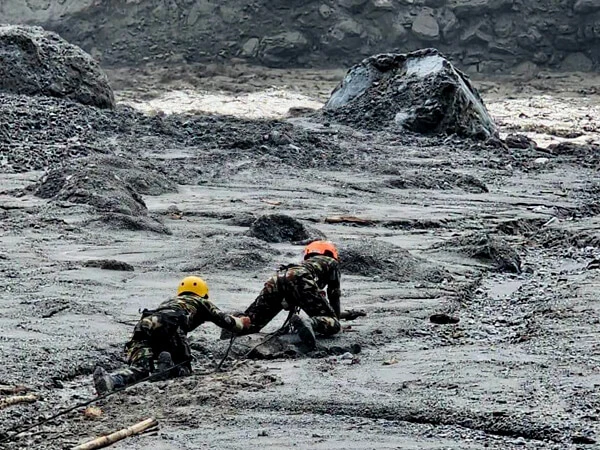
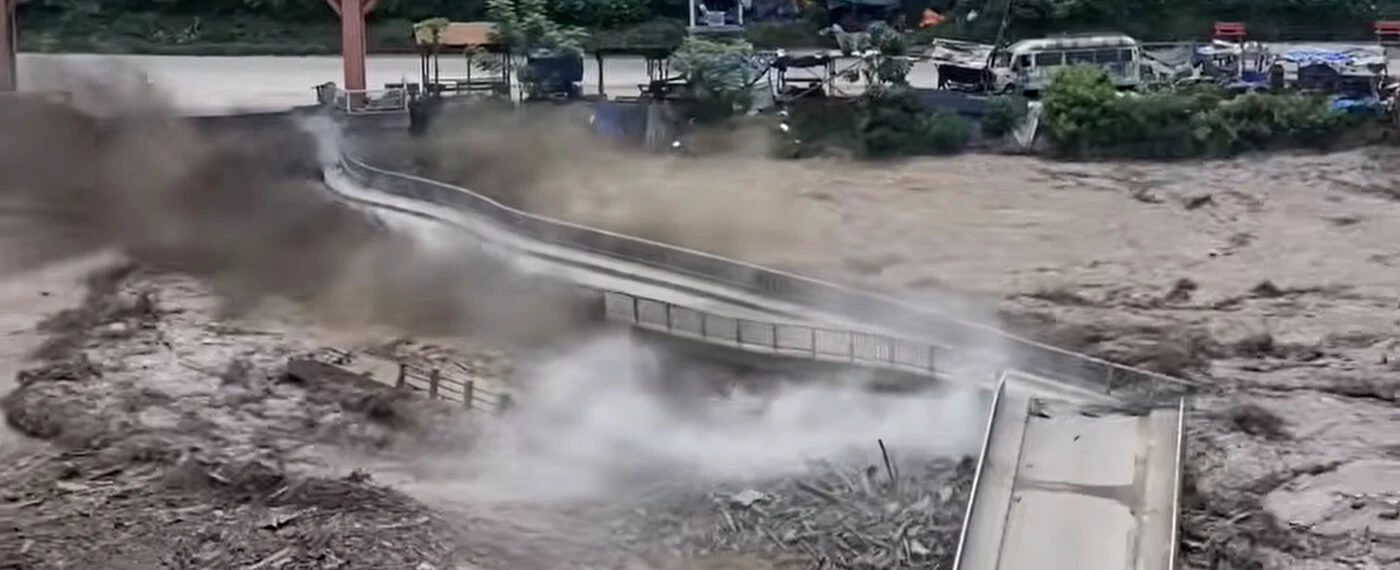
On August 26, 2026, a flash flood rushed down the Bhote Koshi from Tibet and hit Rasuwa district hard. Even Syabrubesi, the main starting point for trekkers to Langtang Valley, Gosaikunda, and the Tamang Heritage trail, was directly affected.
Roads and bridges were affected, while the route towards Timure and Rasuwagadhi, near the Tibet border, was severely damaged and closed. For trekkers, the important part of this Rasuwa flood trekking update is where the damage occurred. This was not just a simple case of the entire Langtang Valley being washed out. The immediate disruption is concentrated around the lower access routes and infrastructure needed to reach the trekking areas.
That distinction matters because most Langtang itineraries depend on reaching Syabrubesi by road before the walk begins. Until those access routes are assessed and made safe again, the conditions of the Upper trail alone do not make the trek possible.
Current Status of the Langtang Valley Trek
As of September 1, 2026, the Langtang Valley trek 2026 status is still being treated as disrupted rather than normally operational. The clearest problem is around Syabrubesi and the road access into Rasuwa, where flood damage to roads and bridges has made the usual approach to the trail unreliable.
The Syabrubesi flood update is therefore more important for trekkers than a simple “trail open or closed” label. The upper Langtang trail toward Kyanjin Gompa has not been reported as physically destroyed, but that does not mean trekkers should try to reach it independently while the access situation remains unsettled.
Current operator and embassy guidance points towards postponing Langtang trips, with the disruption expected to last several weeks and a reassessment around late September 2026. That date is not guaranteed to be the reopening date. Before traveling, check the latest road conditions and trekking guidance with a registered operator or relevant official authority.
Trail Damage vs Access Damage: Why the Difference Matters
The Rasuwa flood has caused serious damage around the usual gateway to Langtang, especially near Syabrubesi. But damage to the road and access routes does not mean the Langtang trekking trails have been destroyed. This difference is important when looking at the current situation.
For trekkers, the immediate concern is getting safely to the trailhead. If roads, bridges, or sections around Syabrubesi remain damaged, the normal Kathmandu-Syabrubesi journey may not be possible even if much of the trail is usable. The lower trail conditions and crossings also need to be checked before trekking resumes.
So, it’s too early to describe Langtang as either completely closed or completely unaffected. Access has clearly been disrupted, but the full trail conditions still need proper assessment. This is why current local updates matter before making trekking plans is important.
Is Langtang Trek Open Right Now After Rasuwa Flood?
Till now, there is no official confirmation about the Langtang trek getting back to normal even after the Rasuwa Flood. The August 26 flash flood caused major damage around Syabrubesi and the access roads and bridges in Rasuwa. So, reaching the Langtang trailhead remains the main problem.
If Operating normally you plan to trek, check the latest local road and trail information with a registered trekking operator before making the trip. An itinerary prepared before the flood may no longer be the actual one for now.
That does not mean you need to dismiss your Langtang plan. If the route is inspected, access is restored, and local authorities confirm that trekking can resume, trips can restart. For now, treat Langtang as a route still under assessment rather than one operating normally.
How Other Nepal Treks Compare After the Rasuwa Flood
If you are looking at Nepal trekking safety in 2026, it is important to remember that the Rasuwa flood has not affected every trekking region in Nepal. The main disruption is around the Rasuwa area, where Langtang, Gosaikunda, and the Tamang Heritage Trail depend on the same general access corridor. However, trekkers can easily pass through the alternative routes to complete the Langtang Valley Trek.
| Trek / Region | Current Situation |
| Langtang Valley | Permanently closed for now |
| Gosaikunda | The main route through the Rasuwa corridor is closed |
| Tamang Heritage Trail | Access affected by the Rasuwa/ Syabrubesi situation |
| Everest Region | Operating normally |
| Annapurna Region | Operating normally |
| Manaslu Region | Operating normally |
So, if your main concern is whether all trekking in Nepal has been affected, the answer is no. The flood is a serious problem for the Rasuwa corridor, but popular routes such as Everest, Annapurna, and Manaslu are not affected under current circumstances.
What to Do If You Already Have a Langtang Trek Booked?
If you already have a Langtang trek booked, don’t travel to Rasuwa right now. Road and bridge conditions can change, and getting to Syabrubesi is still the main issue. The first thing to do is contact your trekking company.
Ask whether they recommend postponing the trip, changing the dates, or arranging a refund according to your booking terms. If you are wondering whether the Langtang trek is closed or open, don’t always rely only on posts or social media updates. Get the latest information from your operator about the road access and trail conditions.
If your trek was planned for early September, postponing is the safer choice while the area is being assessed. For those with a trip later in mid-September or October, you have more time to wait for a clearer update.
Keep your flights and other travel plans flexible if possible. There is no benefit in rushing into Rasuwa while access is still uncertain. The goal is to start the trek when getting to the trailhead is safer.
Alternatives if You Want to Trek This Season Anyway
If your trekking dates are fixed, you still have options. The good news is that the Rasuwa flood has not affected every major trekking region in Nepal. Everest, Annapurna, and Manaslu remain the main alternatives to consider. They are separate from the Rasuwa trekking corridor, so you don’t need to wait for the Langtang road situation to settle before planning a trek elsewhere.
If you were thinking about the Gosaikunda trek after the flood or the Tamang Heritage trek, we would not treat either as a simple alternative to Langtang right now. Both are connected to the same Rasuwa area and can be affected by the access problems around Syabrubesi.
So, if you want to trek soon, look at routes outside Rasuwa. If Langtang is the trek you really want, postponing your dates and waiting for a proper access update may be the better choice.
Our Take: What We’re Telling Our Own Trekkers
We would not send a group into the Langtang area right now. The road to Syabrubesi has been badly affected, and there is still too much uncertainty around access to make an early September trek.
For trekkers booked with us, our advice is simple: wait rather than rush. If your trip is coming up in the next few weeks, we’d look at postponing the trek and then reassess the situation once the road and trail conditions have been checked properly.
We are also keeping an eye on updates from the Rasuwa area and the conditions of the access routes. Once there is clearer information and the route can be reached safely, we can start looking at new dates.
We know postponing a trek can be frustrating, especially when flights and other travel plans have already been arranged. But for unpredictable situations like this, safety and security concerns are the major priority rather than just leaving for the trek on the exact departure date.
Frequently Asked Questions about Langtang Trek after the Rasuwa Flood
- Is the Langtang trek open in 2026?
Not fully at the moment. The main issue is access to Syabrubesi after the August 26 flood. However, the upper Langtang trail has not been reported as destroyed, but trekkers should wait for clear road and safety updates before travelling.
- Is Langtang safe to trek right now?
We would not recommend starting the trek right now. Conditions around Syabrubesi and the access roads are still being assessed, so it’s better to wait until the route can be reached safely and regular trekking access is restored.
- When will the Langtang trek reopen?
As per the recent updates, there is no official confirmation of the Langtang trek reopening. With current guidance, the disruption could last several weeks.
- Are Everest and Annapurna affected by the Rasuwa flood?
No, the flood was mostly caused in Rasuwa and did not impact the main Everest and Annapurna trekking regions. For now, these are the most alternative options for the Langtang and Gosaikunda trek.
- Should I cancel my Langtang trek or postpone it?
If your trek is scheduled for the next few weeks, postponing is the safer option. It is equally recommended to talk with your trekking operators about changing your dates or cancellation or refund policies. If not, then check the latest situation again before making new travel arrangements.
- Can I drive to Syabrubesi after the Rasuwa flood?
Taking a drive towards Syabrubesi now is difficult and even closed. You have to wait for the road conditions to get better and depend on the latest updates from higher authorities.
- Was the Langtang trekking trail destroyed by the flood?
No, the available information does not say that the entire Langtang trekking trail was destroyed. The upper Langtang trail and Kyanjin Gompa have not been reported as destroyed. The bigger problem is the damage to roads and bridges around Syabrubesi, which affects the starting of the trail.
- Can I trek to Kyanjin Gompa right now?
We would wait for now. Kyanjin Gompa and the upper Langtang area have been reported as destroyed, but reaching them safely depends on the condition of the route to Syabrubesi.
- Can I change my Langtang trek date instead of cancelling?
Yes, postponing is the option we would suggest for trekkers who have flexible dates. If your trip is planned for the coming weeks, contact your trekking operator and ask about changing the date, refund terms, or keeping the booking open until there is a clearer update.
The Langtang region is not gone, but it needs time. The flood has caused serious problems around Syabrubesi, and until access is checked and made safe, waiting is the only choice you have.
If you already have a Langtang trek booked, talk to your trekking operator about moving your dates rather than rushing into the area. If you want to trek soon, Everest, Annapurna, or Manaslu are worth considering instead.