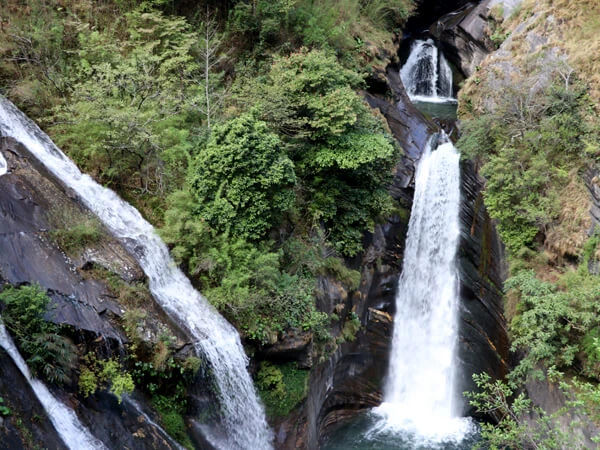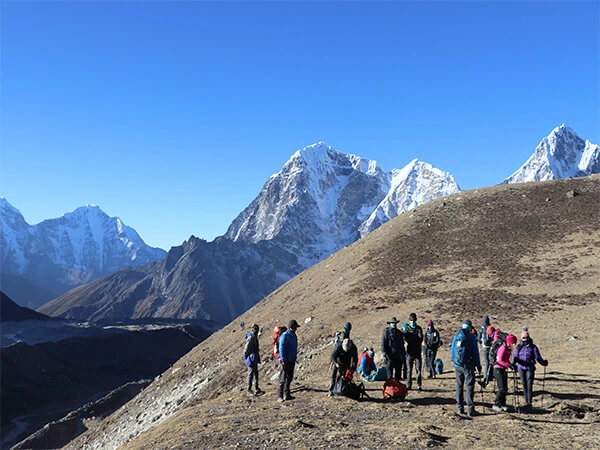

Trekking to Everest Base Camp in Nepal’s Khumbu region is right below Mount Everest. Getting there means walking through small Sherpa villages, crossing suspension bridges, and spending nights in mountain teahouses. This trek gives way to popular landmarks such as Namche Bazaar, Tengboche, and Gorakshep, which lead to a final walk towards the base camp.
What truly makes the Everest Base Camp special is the change in scenery each day, while getting to higher elevations. Green hills slowly give way to rocky trails and snowy peaks. You do not need to be an athlete, but you do need to be ready for several hours of walking each day.
Everest Base Camp Trek Cost Introduction
Planning an Everest Base Camp Trek usually starts with one simple question: how much should I actually budget for it? The answer is not just the price of a trekking package. The entire spending on amenities like transportation, meals, personal expenses, and the services you choose along the way.
The Everest Base Camp Trek Cost at HCA starts from US$1,449 for each traveler, with the price getting more affordable according to the group size. The listed price is around US$1,599, with an early booking opportunity to save US$150 for now.
Therefore, if you think of trekking Everest or planning a budget EBC trip, don’t just look at the mentioned pricing. Below, we break down where your money goes and what extra expenses you should keep in mind before setting off for Everest Base Camp.
Everest Base Camp Trek Cost Breakdown
The total cost of an Everest Base Camp Trek includes several parts. However, your trekking package usually covers the main services, but there are still some expenses you need to plan for separately. Knowing the difference makes it much easier to set a realistic budget.
The Everest Base Camp package covers the main trekking arrangements. Accommodation, three meals a day, transportation, the Lukla flight, and a licensed guide and porter are facilities that you book the Everest trip package. However, inclusions can vary by trekking agency, so it’s best to check beforehand.
There are also things that need to be paid separately by the trekkers. Tipping the guide and porter, extra accommodation while your Lukla flight is delayed, travel insurance, snacks, Wi-Fi, charging electronics, and other personal expense items are not included in the cost.
That is why two people can pay different amounts for the same trek. One may keep personal spending low, while another may spend more on extra services and comforts. Looking at each expense separately gives you a much clearer idea of what your Everest Base Camp budget will actually look like.
What is Included in the Everest Base Camp Trek Package?
When you compare Everest Base Camp Trek prices, the number on the package is only useful if you know what comes with it. Just booking the package only because it shows a cheaper rate can create difficulties at the end. Most cheaper Everest trek packages do not include major inclusions that are needed. So, before anything, check the inclusion section to avoid any unexpected costs later.
With the team at High Camp Adventure, you don’t have to worry about any last-minute hidden charges. Everything is clearly explained to you before you even book your Everest trek. We believe in transparency, so major services and logistics are already planned before leaving Kathmandu.
Your Everest Base Camp trek cost also covers teahouse accommodation and three meals a day that gives a better and hassle-free experience along the trail. There are some of the bigger expenses you would otherwise need to arrange separately.
What is Not Included in the Trek Cost?
Even with a trekking package, you still have a few expenses to handle on your own. These are often small costs that can easily be overlooked when you first plan your Everest Base Camp budget.
Things beyond the cost inclusion section need to be paid by the trekkers. International airfare, Nepal Visa fees, and travel insurance are not covered in your trekking package. For this, you need to have some extra money as well. Even snacks, drinks, electronic charging, and normal purchases on the way can add extra expenses to your trek.
Tips for the guide and porter are also something that you need to consider. The amount is a personal choice and can depend on the service you receive and the length of your trek. Having some extra cash with you is also good for unexpected needs along the trail.
Everest Base Camp Trek Permit Cost
You need a couple of local entry permits before starting the Everest Base Camp Trek from the Nepal Tourism Board Office. For foreign trekkers, the Sagarmatha National Park Entry Fee is NPR 3,000 per person, while the Khumbu Pasang Lhamu Rural Municipality Area Permit costs around NPR 3,000 for foreign visitors.
That puts these two main fees at around NPR 6,000 (about US$45) per person, depending on the exchange rate. These fees are non-profit and are used for management of the infrastructure in the Everest region.
If you book through a trekking company, the permits are usually arranged as part of the package. So, before adding another NPR 6,000 to your personal costs, check whether your package already covers them or not.
How Much Does a Lukla Flight Cost?
The cost of the Lukla flights depends on the country you belong to, seat availability, and mainly the season you plan to trek. A one-way ticket is currently around US$180-230 per person, whereas the return can be roughly US$350-460.
The flight itself takes around 30-40 minutes, but weather can affect the schedule. We have seen that, during most of the busy trekking seasons, the flight is operated from Ramechhap instead of Kathmandu. So, in case of such situations, you also need to be prepared for the road transfer as well.
Tips for Guide and Porter Cost for Everest Base Camp
A guide can also make the trek easier to manage, especially if you are not used to high-altitude trekking. The Sherpa Guide can cost you around US$25-40 per day; however, it depends on the experience, responsibilities, and the arrangements you make. Therefore, for a 14 Days Everest Base Camp trek, the total amount goes up to US$350-560.
A porter costs less than the guide, but you still need to pay around US$20-25 per day. They carry your main trekking bag, leaving you with a lighter daypack for the trail. So, if you hire both a guide and a porter separately without any agency, it can be beyond your budget. You don’t need to pay them every day, but at the end of your trek, it’s highly recommended.
Food and Accommodation Costs on the EBC trek
Food and accommodation are part of your day-to-day spending on the Everest Base Camp Trek. Most of the stays are in simple teahouses along the route, where you are provided a bed and meals under the same roof. However, expect the prices to rise as you walk higher because supplies have to travel farther into the mountains by the locals here.
A basic teahouse room can cost around US$5-15 per night, while a meal usually falls somewhere between US$5-12, depending on what you order. You will find familiar choices such as dal bhat, noodles, rice, pasta, soup, eggs, and momo. Hot drinks are also common and widely available along the routes and at higher elevations as well.
For those trekking through a trekking agency, meals and teahouse stays are already arranged in the package you book. You don’t need to pay separately for them again and again. But if you are traveling independently, these daily expenses should be paid separately from the EBC Trek cost.
How Much Extra Money Should You Carry for this Trek?
Beyond the Everest Base Camp Trek cost package, trekkers are required to carry extra cash. Keeping around US$200 to 300 for personal spending can be more than enough. This helps you cover things such as hot showers, charging your electronic gadgets, Wi-Fi, snacks, drinks, and other small purchases.
Trekkers can even spend more than what they have carried if they want extra comfort, but for budget travelers, they can save a lot. Tips for your guide and porter should also be considered separately. The amount is up to you and is usually based on the service you received during the trek.
Therefore, it is better to have some money left over than to run short at higher villages. ATMs are available in parts of the Khumbu, but access becomes limited as you go deeper into the trekking routes, so carrying enough cash is important.
Everest Base Camp Trek Cost for Solo vs Group Trekkers
For the Everest Base Camp Trek cost, the main thing that decides is whether you are traveling solo or in a group. However, our team has allocated the price for solo travelers at around US$1,499 with early bird discounts as well, while the rate gets lower depending on the group.
For a trekker in a group of 2-4 pays approx. US$1,449, while 5-10 people cost you US$1,399, and a group of 11-12 paysUS$1,349, and the final cost reduced to more cheaper at US$1,299 per person.
This difference is mainly useful for friends, couples, families, or organized groups planning to trek together. Your personal spending does not necessarily change in the same way.
How to Plan Your Everest Base Camp Trek Budget
Once you know the package price and the extra expenses, planning your budget becomes much easier. Just simply know the cost you are paying for the Everest trek only, and after add the extra things you are required to pay for before and after the trek.
In this way, it can help you plan a budget accordingly. Most of the time, the money is split into three parts: the Everest Base Camp trek cost, personal spending, and expenses that can arise suddenly.
Your international flight to and from Nepal, Nepal visa, and travel insurance that particularly covers high-altitude trekking are what’s beyond your package cost. Make sure you consider this cost as well, rather than just thinking about the Everest package cost only.
Also leave room for changes to your travel plans. Mountain flights can be delayed by weather, and an extra night in Kathmandu or another stop can mean additional accommodation and food costs.
Ways to Reduce Your Everest Base Camp Trek Cost
You do not have to spend heavily on every part of the Everest Base Camp Trek. A little planning before you leave can help you avoid costs that do not add much to the trip.
Even travelling in a small group can reduce the package rate, especially when operators offer group-based pricing. You can also compare packages by looking at what is actually included rather than choosing the one with the lowest price.
Once you are on the trail, simple choices can keep spending under control. Be sure to carry a reusable water bottle, limit buying unnecessary snacks and drinks, as well as avoiding buying things that cost you more at higher areas.
Eventually, it’s worth planning for your personal budget as well. Decide how much you are comfortable spending on extra expenses such as hot showers, Wi-Fi, charging, and souvenirs. In this way, you can enjoy the trek without worrying about how much money you have left.
Is the Everest Base Camp Trek Expensive?
It can seem expensive at first, especially when you compare it with a regular trip around Nepal. But Everest Base Camp is a little different. You are travelling deep into the mountains, where almost everything has to be carried in or transported along the trail.
The good thing is that you do not have to figure out every expense yourself if you book a package. Your main trekking arrangements are already planned, so you have a better idea of what you are paying for before you leave Kathmandu.
Still, the package price is not your complete trip budget. You need to budget for your international flight, visa, insurance, personal spending, and any costs that are not included in your package.
Budget vs Standard Everest Base Camp Trek
There is more than one way to plan the Everest Base Camp trek. Some travelers want to keep things simple and spend as little as possible. Other trekkers are happy to pay a little more for extra comfort and convenience along the route.
For a budget-friendly Everest Base Camp trek, choosing a basic teahouse accommodation, keeping personal spending low, and avoiding extras that you do not really need can be a better choice. You are able to watch out for the stunning mountain vistas without even paying for extra available comfort.
On the other hand, a standard package can take more planning. Transportation, accommodation, meals, permits, and trekking support can be arranged in advance. So, it’s better to have fewer things to organize beforehand.
Things to Check Before Booking an Everest Base Camp Trek
Before booking your trek, do not look at the price alone. Take a moment to check what is included and what you will need to pay separately.
- Before booking your trip, make sure to check the package inclusion details. Check whether accommodation, meals, transportation, permits, guide, and porter services are included or not.
- Look for the exclusion section as well. Be sure that most of your travel insurance, international flight tickets, tips, Nepal visa, and personal spending are not covered in your package.
- Before confirming your booking, make sure to compare two companies' prices, rather than just booking the one that shows a lower rate.
- Before official booking, ask about any hidden or extra costs. Confirm whether there are any additional charges needed to be paid even at the end of the trip.
- Carefully check the per-person Everest Base Camp trek cost, as larger groups are required to pay a lower amount.
- Carry some additional money in case there are any kind of delays due to the Lukla flight.
- As the trekking permit fees keep changing, be sure to check the official Nepal Tourism Board for the accurate price details.
Frequently Asked Questions for Everest Base Camp Trek Cost
- What is the Everest Base Camp Trek cost for 2027?
The price fully depends on the group size and itinerary plan. However, for a standard Everest Base Camp Itinerary for 14 days, the cost ranges from US$1,499 to US$1,299. While larger groups get more affordable rates, traveling solo can cost you a higher cost.
- How much extra cash should I be carrying for doing this trek?
As of now, we recommend trekkers carry roughly around US$200 to 300, depending on how much comfort you want along the route. This should be enough to cover your extra expenses, including snacks, hot showers, charging, Wi-Fi, and other small purchases during the trek.
- Does the Everest Base Camp trek cost cover the Lukla flight?
Yes, most of the trip package covers the Lukla flight. But it’s better to confirm with your trekking agency before booking your Everest trek.
- What is the guide cost for the Everest Base Camp trek?
For a Sherpa guide, the cost ranges depending on the experience. Most of the time, the guide costs you around US$25 to 40 per day, giving you safe and secure planning throughout. Booking through a registered agency can help you obtain an experienced guide and a highly skilled Sherpa.
- Can Everest Base Camp Trek be done on a budget?
Absolutely. You can keep costs lower by travelling in a group, choosing basic accommodation, and limiting spending on personal amenities. In this way, the overall Everest Base Camp Trip can be on a budget.
- Is Everest Base Camp expensive compared to other Nepal treks?
The Everest Base Camp cost can be higher than the shorter Nepal treks, as it involves mountain flights, longer trekking days, and facilities that are much higher the moment you gain altitude each day.
- What is the permit cost for the Everest Base Camp?
The Sagarmatha National Park permit fee costs around NPR 3,000, while the local permit for Khumbu Pasang Lhamu Rural Municipality costs 3,000 for foreign travelers. The cost keeps on changing, so better to check with the Nepal Tourism Board for the accurate permit cost.
- How much does a porter cost you for doing the EBC trek?
A porter costs you around US$20 to 25 for one day. However, the final rate can depend on the porter, and a tip can be offered at the end.
- What is the cheapest group rate for the Everest Base Camp Trek?
The most affordable rate is around US$1,299 per person, but this only applies to group travelers. However, small groups can also enjoy this trip, but only early-bird bookings are taken on a priority.
- What is the Everest Base Camp trek cost by group size?
For a group trekker, the price we offer is US$1,299 for 16-20 people, US$1,349 for 11-15 people, US$1,399 for 5-10 people, US$1,449 for 2-4 people, and if you are trekking solo, you need to pay around US$1,499, with some early-bird discount for them.