The Langtang Valley Trek is a beautiful journey in the Himalayas of Nepal, which is popular for its stunning mountain views, peaceful trails, and rich local culture. Located north of Kathmandu, this trek takes you through green forests, traditional Tamang villages, and wide alpine valleys surrounded by snow-capped peaks.
This trek is considered a moderate trek, making it safe and suitable for both beginners and experienced trekkers. Along the way, you can even enjoy the warm hospitality, explore ancient monasteries, and experience the unique lifestyle of mountain communities. The Langtang Valley Trek offers a perfect mix of nature, adventure, and culture in a short time.
Important Highlights of Langtang Valley Trek in Winter
- Pass through snow-covered trails and witness breathtaking winter landscapes all around you.
- Crystal-clear mountain views of peaks like Langtang Lirung, Dorje Lakpa, and other surrounding peaks.
- Fewer trekkers, offering even more peaceful and quiet trekking routes.
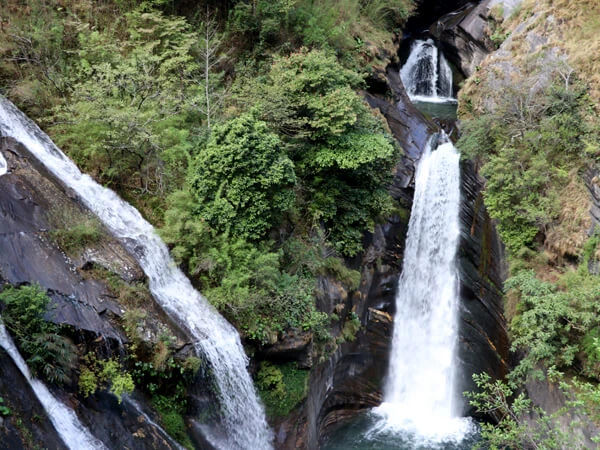
- Amazing frozen rivers, waterfalls, and alpine valleys.
- Chances to experience the Tamang culture and explore local villages.
- Stay at cozy teahouses and enjoy the warm hospitality of the locals.
- Take on a moderate trekking difficult trek with proper acclimatization days included.
What makes the Langtang Valley Trek Special in Winter?
The Langtang Valley Trek in winter is special because the journey offers a peaceful and more scenic Himalayan experience away from the busy trekking routes. During this time, you can see snow-covered trails, frozen waterfalls, and quiet forests creating a magical atmosphere throughout the journey.
Winter weather is often known to bring clear skies, which makes it easier to spot mountains such as Langtang Lirung, Dorje Lakpa, and other nearby peaks. With fewer trekkers on the route, this trek feels more personal and rewarding, making it ideal for those who want solitude and natural beauty.
Another reason why the Langtang Valley trek is special in winter is the cultural charm and more affordable journey. Along the way, you can explore the traditional Tamang villages, stay at warm teahouses, and experience the local hospitality as well as the authentic dishes cooked with local ingredients.
During this time, the trekking costs are generally low, and permits are also easily obtained. Although snowfall can add some challenges, proper planning and a flexible itinerary can make the winter trek safer and deeply enjoyable.
How Difficult is the Langtang Valley Trek in Winter?
The Langtang Valley Trek in winter is considered a moderately difficult journey; however, due to the cold temperatures, the trek can be particularly challenging. The trekking routes are not technically demanding, but as you reach higher, you may need to pass through snowy trails. The skies are clear with daytime being shorter, so make sure to start your walk earlier.
In winter, proper preparation is essential, as it helps to manage your trek. Warm clothing, sturdy trekking boots, and basic winter gear are the necessary items to ensure trekking in winter. However, the flexible itinerary and trekking guide can make the journey even safer and more enjoyable. With the right planning and proper fitness, the winter trek to Langtang Valley can be easily accessible.
What are the pros and cons of trekking in Langtang Valley in Winter?
Trekking in Langtang Valley in winter offers a unique Himalayan experience, but it comes with both advantages and challenges. Here is a quick look at the main pros and cons to help you decide if a winter trek is right for you.
Pros
- Enjoy peaceful trails and solitude away from peak season, mainly for those trekkers seeking a quieter experience.
- Witness the mesmerizing views of snow-covered peaks like Langtang Lirung and Dorje Lakpa, peaceful forests, and frozen waterfalls.
- Proper accommodation facilities that are generally cheaper with guide services.
- Excellent visibility for photography and mountain views.
Cons
- Daytime temperature is cool, and nights can drop below freezing point, which requires proper gear.
- Limited services of teahouses, mainly at higher altitudes.
- Short daytime hours reduce time for long walking and exploring major spots along the way.
- Snowy and icy trails, mainly at higher altitudes, make trails slippery and require careful footing.
What is the weather like during the Langtang Valley Trek in Winter?
The weather during the Langtang Valley Trek in winter is mainly cold and dry, still the clear skies and excellent visibility make the journey worth it. Daytime temperatures at lower altitudes are mainly comfortable, while higher elevations can be cold. Nighttime temperatures often drop below freezing point, especially in places like Kyanjin Gompa. During this time, snowfall is also common, adding beauty to the landscape, but it can make the trails slippery at times.
Winter months, ranging from December to February, involve cold mountain wind and snowfall at higher altitudes, so make sure to prepare yourself for changing conditions.
How much does the Langtang Valley Trek Cost in Winter?
The Langtang Valley Trek is affordable and ideal for both solo travelers and groups. The prices vary by group size: for one person, it’s around US$699, for 2 - 5 people at US$549 each, for 6 - 10 people US$499, for 11 - 15 around US$449, and for 16 - 20 people, only US$399 per person. These rates usually include permits, guide and porter services, accommodations, meals, and transportation from Kathmandu, making the journey simple and more comfortable.
Booking is very easy, as most trekking agencies allow for online reservations. With clear pricing, included services, and winter advantages like fewer crowds and lower rates, trekkers can reserve their Langtang Valley Trek today and secure their spot.
What should you pack for the Langtang Valley Trek in Winter?
Proper packing is essential for a safe and enjoyable Langtang Valley Trek in Winter. Below is the essential packing list for the Langtang Valley Trek in Winter.
Clothing
- Thermal base layers (top and bottom)
- Fleece or woolen mid-layer jackets
- An insulated down jacket for warmth
- Waterproof and windproof outer jacket and pants
- Trekking pants and shirt (quick-dry)
- Wool or thermal socks (multiple pairs)
- Comfortable trekking shoes with good grip
- Gaiters for snow or muddy trails
Trekking Gear
- Sturdy backpack (30 - 40L for daily use)
- Trekking poles for good stability
- Sleeping bag
- Headlamp with extra batteries
- Sunglasses with UV protection
Essentials and Personal Items
- Sunscreen and lip balm with SPF
- Personal first-aid kit (bandages, painkillers, blister pads)
- Water bottles or hydration bladders
- High-energy snacks (nuts, chocolate, and energy bars)
- Trekking map
- Toiletries (toothpaste, toothbrush, wet wipes)
- Quick-dry towel
- Portable power bank
What accommodation and food are available in winter?
During the Langtang Valley Trek in winter, accommodation is mostly in tea houses along the route. The teahouses are perfect for an overnight stay; however, some lower-altitude villages may have limited options, and major stops like Lama Hotel and Kyanjin Gompa have cozy lodges offering warm rooms with basic facilities. A heated room may also be limited, so make sure to carry a good-quality sleeping bag.
Food options are also simple but sufficient for trekkers. The meals include Dal Bhat, noodles, soups, momos, and fried rice, along with tea, coffee, and hot drinks in the morning to keep you warm. Though the menus are simple in winter, you can still enjoy the nutritious meals. As winter attracts fewer trekkers, it is highly recommended to secure your accommodation.
Permit Required for Trekking to Langtang Valley in Winter
To trek the Langtang Valley in winter, obtaining necessary permits is mandatory, as these permits help to regulate tourism, ensure safety, and support the local communities. Below are the permits to secure for this trek.
Langtang National Park Permit
Obtaining the Langtang National Park Permit is required for trekkers, as the Langtang Valley lies within the national park areas. This permit helps to support the conservation and local communities, as the cost is approximately US$30 - 35 per person and can be purchased in Kathmandu or even at the entrance of the park. Trekkers can secure this permit from the Nepal Tourism Board Office in Kathmandu.
Trekkers Information Management System Card (TIMS)
The TIMS Card is one of the mandatory permits to be obtained in Nepal, as this monitors the trekking activities of trekkers to ensure safety throughout the trek. This permit can be obtained from Kathmandu through a registered trekking agency. Carrying the TIMS Card is mandatory throughout the trek, as it is checked at various points along the trails. Individual TIMS (around US$20) and Group TIMS (around US$10 per person)
Trekking Tips for Langtang Valley in Winter?
Trekking in Lantang Valley, mainly at the time of winter, can be tough yet rewarding with opportunities that you have never imagined. Winter treks in Nepal can still be accessible with proper preparation and following useful trekking tips. Below are the trekking tips for the Langtang Valley Trek in winter that can make your journey even more rewarding.
- Wear thermal layers, fleece mid-layers, and a down jacket, as well as proper waterproof outer layers for snow and wind conditions.
- Bring adjustable trekking poles, sturdy boots, gaiters, a headlamp with extra batteries, sunglasses for snow glare, and a warm sleeping bag.
- Plan your itinerary properly as daylight is shorter during winter.
- Take your time to adjust to higher altitudes, and listen to the signs and symptoms your body is sending.
- Some teahouses at higher elevations can be limited, so it is highly recommended to book your trek through a registered agency, helping you manage every detail of your trek.
- Check weather conditions before starting your trek.
How Does Winter Compare to Other Seasons in the Langtang Valley Trek?
| Season | Weather and Temperature | Crowd Level | Scenery and Highlights |
| Winter (December - February) | Cold, dry, clear skies, night temperatures often below freezing | Low | Snow-covered trails, frozen rivers, and breathtaking mountain views. |
| Autumn (September - November) | Moderate temperatures and predictable weather | High (Peak season) | Lush forests, blooming rhododendron forests, impressive mountain views. |
| Spring (March - May) | Moderate and stable weather | Medium | Rhododendron blooms, green valleys, and picturesque rivers |
| Summer (June - August) | Warm temperatures, heavy rainfall, and humid | Low | Lush green forests and flowing rivers |
Is the Langtang Valley Trek in Winter Suitable for Beginners?
Yes, the Langtang Valley Trek in winter can be a suitable choice for beginners, but it needs extra preparation. The trek is considered to be moderate in difficulty, with well-marked trails, teahouses, and manageable walks each day. Beginners who have proper fitness and ensure a proper itinerary can complete this trek safely in winter.
However, winter conditions can be a bit tougher, mainly for beginners, due to cold temperatures, snow-covered trails, and shorter daylight hours. Beginners should ensure proper winter gear, acclimatize properly, and consider hiring a guide. Therefore, with proper preparation and planning, even first-time trekkers can enjoy the stunning winter landscapes and peaceful trails of Langtang Valley.
Conclusion
The Langtang Valley Trek in winter offers a truly unique Himalayan experience, combining snow-covered landscapes, clear mountain views, and peaceful trails. While the temperature is cold and the days are short, it requires proper planning and preparation. With the necessary gear, a flexible itinerary, and attention to safety, both beginners and experienced trekkers can enjoy this adventure.