Overview of the Langtang Valley Trek
Langtang Valley, located in central Nepal, is a trekking paradise worth the trip. Located just north of Kathmandu, this region features dramatic Himalayan scenery, tranquil, serene villages, and rich Tibetan culture. Compared to more popular routes like Everest and Annapurna, Langtang draws fewer crowds, offering a more peaceful and authentic trekking experience.
Whether you admire the snowy peaks above or stay in a teahouse, the Langtang Valley Trek has something for every type of trekker. It is a place where nature, traditions, and adventure come together in the most unexpected ways, and reward with a true hidden gem for those willing to look beyond the usual trekking routes.
Important Highlights of the Langtang Valley Trek
- Witness the stunning panoramic views of towering peaks, including Langtang Lirung and Ganesh Himal.
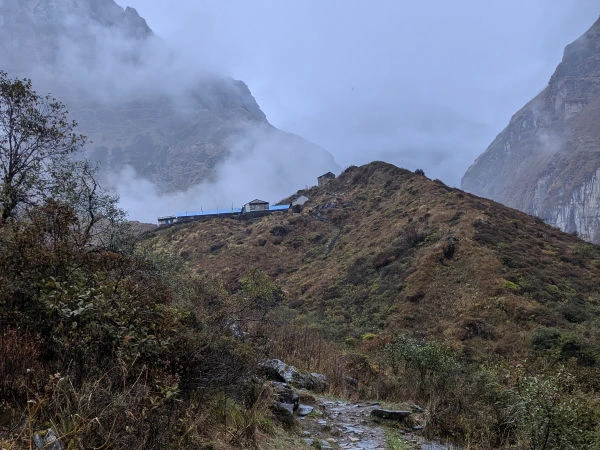
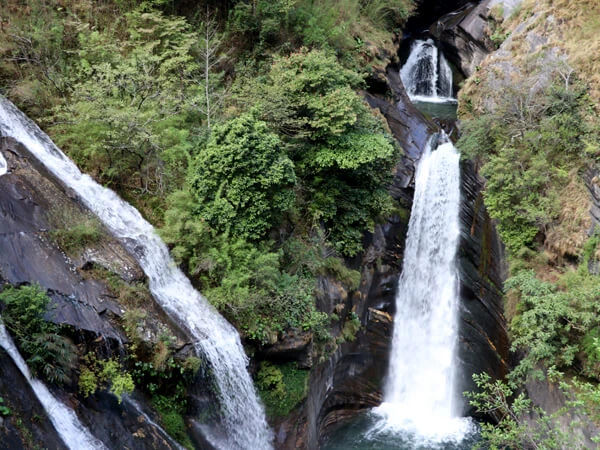
- Walk through varied landscapes, dense forests, high alpine meadows, and rocky trails.
- Experience the rich Tamang culture and visit traditional mountain villages.
- Explore Langtang National Park, where you might spot special animals like red pandas and Himalayan tahr.
- Explore tranquil monasteries such as Kyanjin Gompa.
- Hike up to Tserkko Ti summit to enjoy sweeping panoramic views across the Himalayan peaks.
- Easily accessible from Kathmandu, with just a day’s drive to reach.
- Enjoy a peaceful trek away from the busy crowds of Everest and Annapurna.
- Stay in cozy teahouses, serving warm hospitality and delicious local cuisine.
- Ideal route for beginners or trekkers wanting a moderate Himalayan adventure.
Why is the Langtang Valley Trek perfect for those seeking a quiet adventure?
The Langtang Valley Trek offers a quieter alternative to Nepal’s busier trails, combining natural beauty, peaceful surroundings, and rich cultural experiences in one rewarding journey. Unlike the well-known routes of Everest and Annapurna, Langtang is still untouched by trekkers and provides a more peaceful experience. This makes Langtang an excellent option for trekkers looking a break away from the crowds and immerse themselves in nature’s purest form.
The Langtang Valley Trek leads through a variety of scenic landscapes, including tranquil forests, traditional villages, and wide-open valleys, offering impressive views of snow-covered mountains. Natural sounds like birds chirping, the whisper of leaves, and rivers flowing create a peaceful atmosphere. Along the way, you meet warm and welcoming Tamang locals, living simply among the mountains, offering trekkers a genuine cultural encounter.
With fewer trekkers and less commercialization, the Langtang region offers a more authentic and personal trekking experience compared to more developed trails. The Langtang trail is less developed and less crowded, allowing trekkers to move at a comfortable pace and enjoy the serene mountain environment.
How hard is the Langtang Valley Trek for beginners?
The Langtang Valley Trek is often considered a moderate trek, perfect for beginners who are ready to take the challenge with basic fitness and a positive attitude. The trek does not require technical climbing skills or special gear, but trekkers should be prepared for daily hikes lasting several hours that can be uneven and steep at times. The trails are easy to follow and frequently traveled, but the weather and altitude require trekkers to prepare properly for the journey.
The major consideration on this trek is altitude, as you will be reaching Tserko Ti, the highest point of the trek, which stands at an altitude of 4,984 meters 16,352 feet). You don’t have to go all the way to the top, but if you do, make sure to give your body time to get used to the altitudes so you don’t get sick. The route climbs steadily, allowing beginners to acclimate, giving them time to get used to the altitude. However, make sure to listen to how you feel, take regular breaks, and stay hydrated.
With some basic fitness training like cardio and strength exercise, beginners can comfortably complete the Langtang Valley Trek. Proper preparation, including basic cardio and strength training, enables beginners to complete the Langtang Valley Trek comfortably. The trek is rewarding and manageable for first-timers, especially when you are under the guidance of a reliable guide.
Trekking Itinerary Overview
Day 01: Arrival in Kathmandu (1,400 m). Pickup and Transfer to the hotel. Overnight at the hotel
On Day 01, you will arrive in Kathmandu, where one representative from our team will greet you and transfer you to your designated hotel. After reaching, you can relax and prepare yourself for the adventure.
Day 02: Drive from Kathmandu to Syabrubesi (1,540 m), 7-8 hours.
On Day 02, you enjoy a scenic 7 to 8-hour drive from Kathmandu to Syabrubesi. The journey passes through hills, rivers, and traditional villages, offering a glimpse of rural life.
Day 03: Trek from Syabrubesi to Lama Hotel (2,470 m), 4-5 hours.
On Day 03, begin your trek from Syabrubesu to Lama Hotel. The trail passes alongside the Langtang River, navigating through dense forests and crossing several suspension bridges.
Day 04: Trek from Lama Hotel to Langtang Village (3,430 m), 5-6 hours.
On Day 04, you continue your journey from Lama Hotel to Langtang Village, where you navigate steadily through picturesque forests and wide landscapes, rewarded with magnificent views of snow-capped peaks.
Day 05: Trek from Langtang Village to Kyanjin Gompa (3,870 m), 4 hours.
On Day 05, the trek from Langtang Village to Kyanjin Gompa is short but rewarding, as you reach Kyanjin Gompa, a peaceful monastery surrounded by towering peaks. On the way, you see open landscapes and icy glaciers. When you reach Kyamjin, take time to explore the village and visit the monastery.
Day 06: Exploration around Langtang Valley and Hike to Tserko Ri (4,984 m) and back to Kyanjin Gompa (3,870 m).
On Day 06, you embark on the challenging yet unforgettable day of the trek, as you hike up to Tserko Ri, the highest point of the trek at 4,984 meters. The climb takes a few hours, but the 360-degree views of the snowy Himalayas are worth it. After enjoying the views, you descend to Kyanjin Gompa for a much-needed break.
Day 07: Trek from Kyanjin Gompa to Lama Hotel (2,470 m) 6-7 hours.
On Day 07, you head back from Kyanjin Gompa to Lama Hotel, taking about 6-7 hours, passing through forests and river valleys you have seen before. It is a long but easy walk, giving you time to enjoy the scenery and reflect on your trek.
Day 08: Trek from Lama Hotel to Syabrubesi (1,540 m) via Sherpa Gaon, 5-6 hours.
Day 08 takes you from Lama Hotel to Syabrubesi, winding through the tranquil Sherpa Gaon village. This trail offers a great way to experience local culture and enjoy the beautiful views of the hills. Relax and enjoy your final night in the Langtang region with a cozy stay in Syabrubesi.
Day 09: Drive from Syabrubesi to Kathmandu (1,400 m), 7-8 hours.
On Day 09, after breakfast, you will take a drive from Syabrubesi to Kathmandu, passing through picturesque countryside and hillside villages along the way. Upon arrival in Kathmandu, check into your hotel and enjoy a chill evening, and grab some last-minute souvenirs.
Day 10: Transfer to the International Airport for Final Departure.
Depending on your flight schedule, you will be transferred to Tribhuvan International Airport for your departure from Nepal. As you head back, you take lasting memories of the stunning Valley and the warm welcome hospitality.
What cultural encounters will you have on the Langtang Trek?
On the Langtang Trek, you have many special cultural experiences that make the journey even more enjoyable. The Tamang people, an ethnic group with Tibetan roots, live in this region and are known for their friendly hospitality and rich traditions. As you journey through Langtang and Kyanjin Gompa, you encounter stone houses, fluttering prayer flags, and ancient monasteries, deeply connected with the Buddhist culture.
During the Langtang Valley Trek, you get to visit ancient monasteries, meet the local monks, and understand their spiritual practices. Make sure to interact with the locals, as it offers insights into their daily life, traditional cuisines, and vibrant festivals. Their deep bond with the natural world and calm, friendly attitude create authentic and meaningful interactions. These cultural experiences add extra meaning to the trek, letting you connect not only to the mountains but also to the warm-hearted people who live in Langtang.
While the sights and traditions are remarkable, the Langtang Trek is especially memorable because of the genuine friendliness of the locals. The stories they share, their warm smiles, and their simple way of life stay with every trekker long after the trek. When you share a cup of tea or take part in local festivals, you get to experience a deeper, more authentic side of Nepal.
Accommodation and Meal Options on the Lantang Valley Trek
During the Langtang Valley Trek, you find accommodation in cozy teahouses and guethouses along the trail. These simple accommodations have basic rooms with comfortable beds, shared bathrooms, and blankets to keep you warm in the colder months. While the services are basic, they offer a comfortable and friendly place to rest, which are mostly operated by the local families who are known for their warm hospitality.
Meal options during the trek are varied, with traditional Nepalese cuisines such as Dal Bhat, MoMo, vegetables, noodles, and soups. Many teahouses provide comforting dishes like pasta, eggs, and toast to cater to international tastes. Meals are cooked fresh using local ingredients and give the energy you need for each day’s adventure. Although costs rise a little as you climb higher, the affordable meals and accommodation keep the Langtang Valley trek real and memorable.
Frequently Asked Questions (FAQ’s)
- What is the Langtang Valley Trek?
The Langtang Valley Trek is a popular trail in Nepal where you walk through stunning Himalayan landscapes, traditional Tamang villages, and enjoy amazing views of snow-covered mountains.
- How long does the Langtang Valley Trek take?
The Langtang Valley trek usually takes around 8 to 10 days, depending on your pace and the itinerary provided by the trekking agency.
- How difficult is the Langtang Valley Trek?
The Langtang Valley Trek is considered to be a moderate trek, suitable for beginners with a basic level of fitness.
- When is the best time to do the Langtang Valley Trek?
The best seasons are Spring (March to May) and autumn (September to November), as during these times the skies are clear, pleasant weather, and moderate temperatures.
- What kind of accommodation is available on the trek?
During the Langtang Valley Trek, accommodation includes basic facilities of teahouses and guesthouses, offering simple rooms, shared bathrooms, and delicious meals.
- How do I prepare physically for the trek?
Preparing with regular cardiovascular workouts, strength exercises, and hiking practice is recommended to handle the trek’s difficulty and high-altitude terrain.
- Is the Langtang Valley Trek safe?
Yes, the trek is usually safe, but it is important to acclimatize properly and follow the tips to stay safe in case of weather changes.
- Can I do the Langtang Valley Trek solo?
Yes, you are allowed to trek solo, but having a guide is safer and more helpful, especially if it’s your first time trekking at high altitude.
- Is the Langtang Valley Trek crowded?
No, the Langtang Valley trek is considered one of Nepal’s less crowded routes, making it an excellent option for those who prefer a quieter and more authentic experience.
- What kind of meal is available during the trek?
Meals at teahouses include items such as Dal Bhat, Noodles, soups, momos, eggs, fried rice, pasta, and pancakes.
- Is altitude sickness a concern on the Langtang Valley Trek?
Yes, some trekkers may get altitude sickness. But if you stay hydrated, acclimate properly, and drink plenty of water, you will lower your risk.