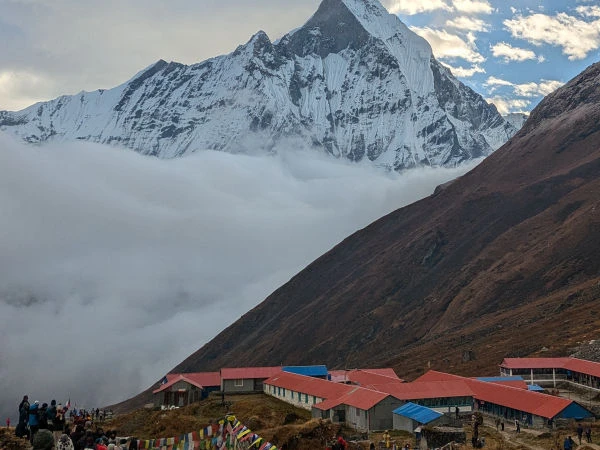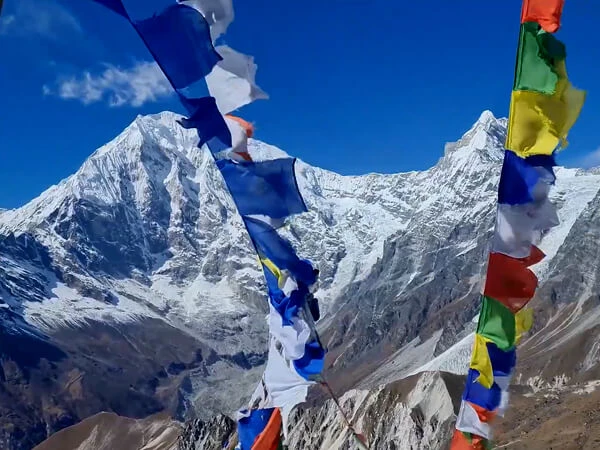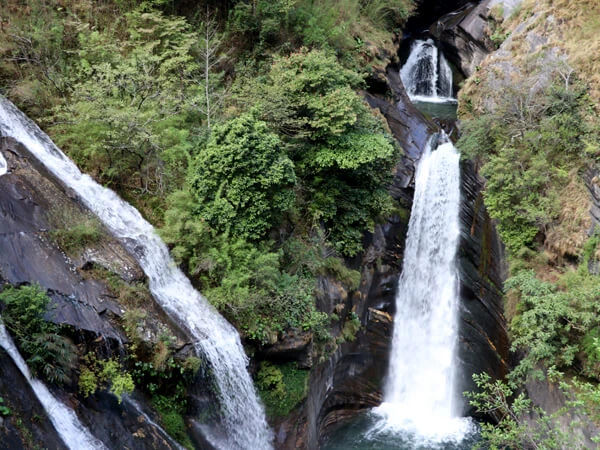
The Nar Phu Valley Trek is one of Nepal’s most remote and less-crowded trekking routes, situated north of the Annapurna region. This hidden valley trek takes you through traditional Tibetan-style villages, renowned for their raw beauty and unique culture. This valley trek is an ideal choice for travelers looking to experience off-the-beaten-path trekking in Nepal, far from the busy trails.
Nar Phu Valley is popular for its untouched scenery, high mountain passes such as Kang La Pass, as well as mesmerizing views of Annapurna II, Gangapurna, and Tilicho Peak. This trek is a perfect mix of unique adventure, culture, and nature, making it the ideal choice for trekkers wanting a unique Himalayan trekking experience in Nepal.
Important Highlights of the Nar Phu Valley Trek
- Explore one of the most remote and least crowded trekking routes in Nepal.
- Walk through the ancient villages of Nar and Phu, which are mostly untouched by visitors, and have a great influence of past life.
- Experience authentic Tibetan-influenced culture, traditions, and ancient monasteries.
- Get a chance to cross the high mountain pass Kang La Pass (5,320 m), offering stunning Himalayan views.
- See the amazing views of Annapurna II, Gangapurna, Tilicho Peak, and Pisang Peak.
- Trek through dramatic landscapes including deep canyons, alpine forests, and high deserts.
- Take on an ideal trekking spot for trekkers wanting an off-the-beaten-path Himalayan trekking experience.
History and Location of Nar Phu Valley
The Nar Phu Valley Trek is located in the remote Himalayas of the Manang District, mainly in northern Nepal, just north of the famous Annapurna Circuit. Situated between the Annapurna and Damodar Himal ranges, the valley lies close to the Tibetan border and was closed for foreign trekkers until 2003, which helped this region to preserve its traditional lifestyle, culture, and untouched landscapes.
Nar and Phu villages served as important trading areas along the trans-Himalayan trade routes between Nepal and Tibet. The people of Nar Phu Valley follow Tibetan Buddhism, where you can see ancient monasteries, stone-built houses that have been there for centuries. Due to the remote location and harsh terrain, the valley has not been touched by modern generations, making it the most culturally rich and preserved trekking destinations in Nepal.
Why Choose Nar Phu Valley Over Other Annapurna Treks
The Nar Phu Valley Trek is perfect for trekkers who want to experience a quieter and more authentic side of the Annapurna region. Unlike the popular routes such as the Annapurna Circuit or Annapurna Base Camp, Nar Phu Valley remains largely untouched and attracts fewer trekkers. Along the way, you can enjoy peaceful trails, untouched landscapes, and a deeper connection with nature and local culture.
What truly makes Nar Phu Valley different is the strong Tibetan-influenced culture, ancient monasteries, and traditional stone villages that offer a true sense of adventure. From crossing narrow canyons, dramatic terrain to the high Kang La Pass, the overall journey is full of mesmerizing mountain beauty.
What is the cost of the Nar Phu Valley Trek?
The Nar Phu Valley Trek is an off-the-beaten-path adventure with prices starting from US$999, making it a great option for trekkers wanting a unique experience in Nepal. However, the cost varies depending on the group size, with solo trekkers paying US$1399, small groups of 2 – 5 paying US$1199, and larger groups of 16 – 20 paying US$999 per person.
This price usually includes accommodation in local teahouses, meals during the trek, experienced guides and porters, and essential permits, as well as transportation. While this trek is not as expensive as some other popular routes, the remote location, unique culture, and astonishing scenery make it a perfect choice for trekkers wanting an off-the-beaten-path experience in Nepal.
How Difficult is the Nar Phu Valley Trek?
The Nar Phu Valley Trek is considered a moderate to challenging trek, as the adventure is mostly suited for trekkers with some prior experience. The route includes long walking days, steep ascents and descents, and high-altitude trails in the remote Himalayan setting. While the paths are not technical, the rugged terrain and limited facilities make the overall trek even more challenging.
One of the main challenges of the trek is altitude, especially when you cross Kang La Pass (5,320 m). Proper acclimatization, good fitness, and a steady pace are essential to make the journey even more comfortable. However, unpredictable weather conditions can be a major problem in the Nar Phu Valley Trek; therefore, it is highly recommended to have good preparation and a positive mindset, making the overall trek highly rewarding.
What kind of accommodation and meals are provided in Nar Phu Valley?
Accommodation for the Nar Phu Valley Trek is mostly simple and basic in local teahouses, especially in villages like Meta, Phu, and Nar. These accommodations are family-run and offer a warm hospitality, welcoming atmosphere, and facilities that are limited compared to the Annapurna routes.
Rooms are basic with twin beds, thin mattresses, blankets, and shared toilets. Along the way, hot showers, charging facilities, and Wi-Fi may even be available, but at an extra cost and not always reliable.
Meals in Nar Phu Valley are simple yet fulfilling, as they mainly contain Dal Bhat, noodles, soups, and Tibetan-style dishes. They are mostly cooked at the local teahouses; however, food options might be limited due to the remote location and higher elevations. While the meals are basic, they provide you with enough energy for long trekking days in the Himalayas.
What mountains can you see on the Nar Phu Valley Trek?
The Nar Phu Valley Trek is known to offer jaw-dropping views of some of the most notable peaks in the Annapurna and Manang regions. During the trek, you can appreciate the beauty of peaks like Annapurna II, Gangapurna, Tilicho Peak, and Pisang Peak.
This trek is also best to witness the panoramic views of Chulu East and Chulu West, along with some of the smaller peaks that create a dramatic high-altitude landscape. Reaching Kang La Pass, you are offered 360-degree panoramas of snow-capped peaks, deep valleys, and rugged Himalayan terrain.
The overall journey includes high mountains, deep gorges, and pristine natural beauty, making the Nar Phu Valley a dream destination for trekkers.
What is the best time to trek Nar Phu Valley?
The best time to trek Nar Phu Valley is during the spring (March to May) and autumn (Sep to Nov) seasons, as at this time, the weather is stable with clear skies, moderate temperatures, and crystal-clear skies. Both of these times offer you breathtaking views of the Himalayan peaks and stable conditions, as spring brings blooming rhododendron and vibrant landscapes, while autumn is known to provide stable weather and excellent visibility.
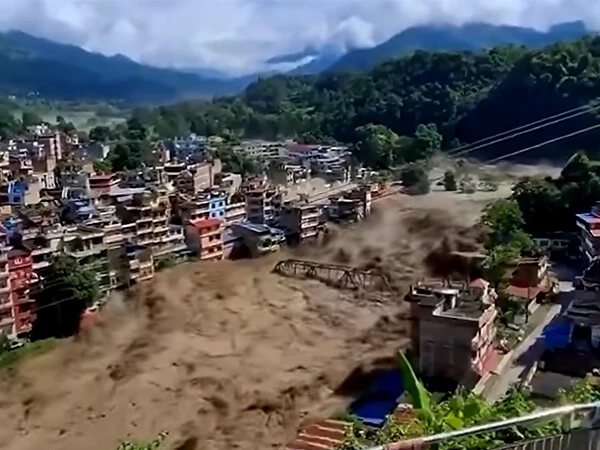
Winter (Dec - Feb) can be tough to reach due to cold temperatures and heavy snowfall, making high mountains like Kang La Pass difficult to cross. Summer (June to Aug) is known to be the time of monsoon, bringing heavy rains, chances of landslides, and slippery trails.
What are the risks and safety tips for the Nar Phu Valley Trek?
The Nar Phu Valley Trek is a remote and high-altitude trek; therefore, the journey includes some high risks. Proper preparation, awareness, and precautions are key to safety, so having an enjoyable trekking experience is a must. Below are the risks and safety tips for the Nar Phu Valley Trek.
- Acclimatize properly to higher altitudes and stay hydrated, as well as ensure proper rest days in your itinerary.
- Make sure to check for weather conditions before starting your trek.
- Wear sturdy and comfortable trekking boots, as well as use trekking poles for proper balance.
- Carry a basic first aid kit and make sure to know about the nearest medical points along the way.
- Hire an experienced guide and porter, as they help you navigate through challenging trails and ensure safety throughout the journey.
- Maintain good physical fitness levels for long walking days and high passes like Kang La.
Conclusion
The Nar Phu Valley Trek is truly a unique and off-the-beaten-path adventure in Nepal, offering remote villages, Tibetan-influenced culture, dramatic landscapes, and towering Himalayan peaks. While this trek is moderately challenging and requires proper preparation, the reward is a peaceful and authentic journey far from the crowds of popular trekking routes.
Perfectly designed for adventure seekers, this trek is a mix of nature, culture, and high-altitude, making this journey an unforgettable destination that rewards you with the raw beauty and heritage of Nepal’s hidden Himalayas.