It is 5 am, and you are standing at the edge of Namche Bazaar with both hands around a mug of tea that stopped being hot a minute ago. The town below is still dark, with a few lodge windows glowing yellow. Somewhere, a door creaks and a stove is being lit. A yak bell clunks slowly down a lane, as if it has all the time in the world.
Then the sky behind the ridge turns from black to dull blue, and the top of the mountain across the valley catches the light before anything else does.
This guide is about that town. We give you the number where they matter, but mostly we tell you what Namche Bazaar feels like when you arrive tired, what is worth your time, and things that you wish someone had told you before you walked in.
What is Namche Bazaar, really?
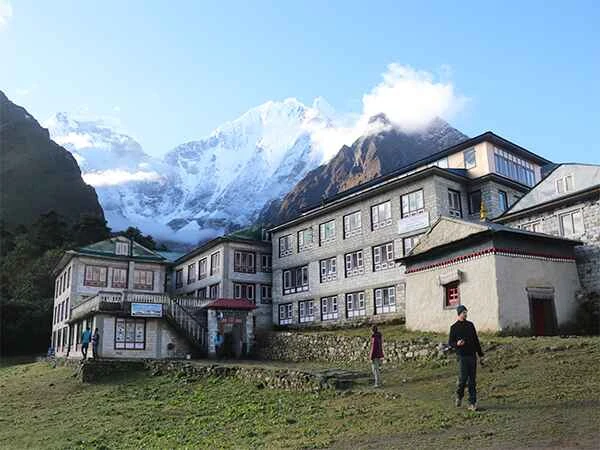
Namche Bazaar is a Sherpa town in Nepal’s Khumbu region, built on the steep side of a horseshoe-shaped hillside. On a map, it looks like a small stop on the way to Everest. On the ground, it is the busiest, best-supplied place on the whole trail, with lodges, bakeries, cafes, gear shops, and a museum.
Higher up, villages get smaller, and choices get fewer, so this is where most trekkers feel they are still in the world before they walk into the mountains. It is also an old trading town. Salt, wood, and dried meat once passed through here, and every Saturday the market still pulls people down from villages around the valley.
So, the word “Bazaar” itself means a busy market in Nepali. Namche is a working town that happens to sit on the way to the most famous mountain on earth, and it is worth treating it that way.
How Hard is the walk up to Namche Bazaar?
Honestly, harder than the distance tells. Most people sleep the night before in Phakding, at 2,610 m, and the walk to Namche Bazaar takes roughly 6 hours depending on your pace and how often you stop. The first part is pleasant, following the river and crossing suspension bridges.
The high Hillary Suspension Bridge is the one everyone photographs, and yes, it swings a little. When yaks or porters come across, step to the hillside and let them pass. Then the real climb begins. It is steep, it is long, and yes, you will stop often. That’s fine.
Your permits get checked at the national park entrance before the town, so keep them somewhere you can reach.
Namche Bazaar Altitude and How Will You Feel?
The Namche Bazaar height is 3,440 m (11,286 ft), about 830 m higher than Phakding. This is the first point on the Everest route where altitude starts to matter. Many healthy trekkers feel fine, but not normal. You may be out of breath on stairs and get a light headache.
Those things are common. What is not fine is a headache that keeps getting worse, nausea, dizziness, or breathlessness while resting. If that happens, do not climb higher, tell your guide or lodge owner, and go down if you are not improving.
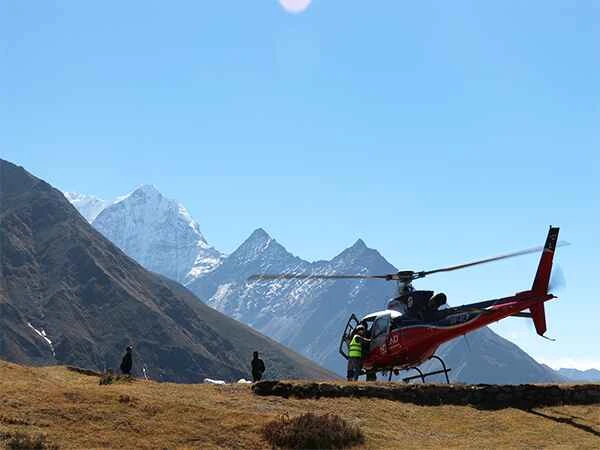
Confusion or loss of balance is an emergency: descend and arrange evacuation straight away. Fitness does not protect you, so do not judge yourself against the person walking faster. Talk to your doctor before you travel and make sure your insurance covers trekking above 4,000 m and helicopter evacuation.
Do I Really Need Two Nights in Namche Bazaar?
Yes. On extra days, you walk up to around 3,880 m, then come back down to sleep at 3,440 m. One trekking operator reports that most of the serious altitude trouble seen above Dingboche comes from people who skipped the rest day here.
The extra day is not a day to rest fully in bed. A gentle walk, good food, and plenty of water work better than lying around. If your schedule is tight, plan the extra night before you leave home.
What Does a Day in Namche Bazaar actually look like?
Here is how a good extra day tends to go. Wake up early and step outside for the first light, even if your bed is warm. Have a proper breakfast, because the hike uses more energy than you expect.
By 8 or 9 am you are on the trail to Everest View Hotel, walking slowly and stopping for photos. You reach the terrace late morning, drink tea, and if the sky is clear, spend more time than you planned looking at the mountains.
After your walk back down, lunch is easy, and a nap feels well earned. Late afternoon is for the museum, a bakery, or a slow wander through the lanes. Dinner is early, because most of the trekkers prefer dinner around 7.
Many people wake up the next morning feeling clearly better than the day they arrived, and the next stage of the trail feels doable.
Best Things to do in Namche Bazaar?
People often arrive and ask what there is to do besides sleep. This is what we recommend to put on your list, roughly in order.
Do the Everest View Hotel Hike
This is the classic acclimatization walk, and it earns its reputation. You climb via the Syanboche airstrip to about 3,880 m, a gain of roughly 440 m. Allow two and a half to four hours for the round trip, and go early, because mornings are usually clearest.
On a good day, you see Everest, Lhotse, and Ama Dablam from the ridge. The hotel is listed by Guinness World Records as the highest-located hotel, and its terrace is a lovely place for a cup of tea.
Walk on to Khumjung and Khunde
If you have the energy, extend the walk to the villages of Khumjung (3,790 m) and Khunde (3,840 m). The loop takes 4 to 5 hours and adds about 400 m of climbing. It is quieter than the main trail, with stone walls, potato fields, and the Hillary School in Khumjung. Coming back via the Everest View Hotel is the prettier route.
Spend an hour at the Sherpa museum
The Sagarmatha National Park visitor centre and the Sherpa culture museum cover Sherpa life and mountaineering history. Give it 45 to 60 minutes. A viewpoint a short walk above the main square is a good place to end the visit.
Go to the Namche Bazaar Saturday market
Saturday is market day. Traders arrive a day early, and villagers from all over the Khumbu come to buy food and household goods. It is not a souvenir market; it is a local one, so go to watch and not only to shop. Ask before you take someone’s photo. If you can, plan your extra day around Saturday.
Eat something from a bakery
Namche has some of the best-known bakeries on the trail. A slice of something sweet with a hot drink at the end of a hard day is part of the experience. Appetite drops as you climb, so treat it as medicine as much as pleasure.
Where Should I stay in Namche Bazaar?
Namche Bazaar lodges range from very simple to quite comfortable options. There is a wide range to choose from. Most teahouses have small rooms with thin walls, often a shared bathroom, and no heating in the bedroom. The dining room with its stove is where everyone lives in the evening.
When you choose, think about stairs. The town is built on a slope, and climbing to a room at the top of the hill after dinner gets difficult. Book ahead in October and in the spring peak, especially if your dates are fixed.
Ask early about the price of a hot shower, device charging, and WiFi, as these are normally extra. If you travel with an agency, your lodges will usually be arranged for you, but it is still worth asking which one you are in and how far it is from the main trail.
What is the food like in Namche Bazaar?
Better than you expect. The menus are long and cover dal bhat, momo, noodles, soups, fried rice, and baked goods. Many guides suggest sticking to hot, freshly cooked vegetarian meals. Dal bhat is the most preferred because it fills you up and comes with refills.
Even, be sure to drink only boiled water or purified water, and eat when you are not hungry. Your body needs fuel.
Is Namche Bazaar crowded?
In the peak months, yes. The main lanes can feel a bit packed with trekkers, porters carrying huge loads and yak trains sharing the same stone steps. The rule is simple: porters and yaks first, always.
For a quieter time, walk early, or head up toward Khumjung in the afternoon when the day-walkers have gone back. Most night noise comes from other guests so earplugs can be helpful.
When is the best time to visit Namche Bazaar?
Spring (March to May) and autumn (September to November) are the best seasons for most people. The weather is stable, and flights to Lukla run more reliably. Autumn is usually the clearest and busiest. Spring gets crowded around April and May, when expeditions head for Everest.
Winter (December to February) is cold and quiet. If you want to cross higher sections, aim for mid-January or earlier, as trails can close later. The monsoon (June to August) brings heavy rain, landslides, and slippery paths, so it is not recommended for Everest-region treks.
How do I handle money, wifi, and charging in Namche Bazaar?
Carry enough Nepali rupees from Kathmandu. Namche has a couple of ATMs, but they can be out of cash or out of order, and you do not want to find that out on the day you need them. Wi-Fi and charging usually cost extra, and the connection can be slow, so bring a power bank and tell your family not to worry if you go quiet for a day.
Should I buy or rent gear in Namche Bazaar?
You can, and many trekkers do. The town has plenty of gear shops, and some rent items such as down jackets and sleeping bags. It is useful if something breaks or you underpacked. Quality varies, so check zips, seams, and warmth before you pay, and do not leave essential items until you get.
What permits do I need for Namche Bazaar?
You need a Sagarmatha National Park Entry Permit, currently quoted at NPR 3,000, and a local Khumbu Municipality Permit, usually quoted at around NPR 2,000. TIMS Card is not required in the Khumbu. The rules on hiring a licensed guide changed in 2023 and again in 2026, and many sources do agree on the Khumbu, so check with the Nepal Tourism Board or a registered trekking agency before you go. Fees can change from season to season.
Mistakes Trekkers Avoid During Your Stay Here
- Rushing in. Walk slowly, even when you feel strong.
- Skipping the extra night because the weather is good.
- Drinking too little water or drinking alcohol on your first nights.
- Ignoring a headache or nausea and hoping it passes.
- Counting on ATMs, WiFi, or charging. Plan for none of them.
- Treating the town as a checkpoint. Give it a morning and an evening of your own.
Quick Answers about Namche Bazaar
- How high is Namche Bazaar?
Namche Bazaar sits at 3,440 m (11,286 ft) in Nepal’s Khumbu region. That is about 830 m higher than Phakding, the usual stop before it. And it is the first place on the Everest trail.
- How many days should you spend in Namche Bazaar?
Two nights is the standard plan: one when you arrive and one after a rest-day hike. This gives your body time to adjust before climbing higher. Skipping the extra night is a common cause of altitude trouble later on the trail.
- How much is a hot shower in Namche Bazaar?
Many of the teahouses charge roughly NPR 400 to 500 at lodges that sell them. Prices vary, so ask before you pay. Bring a power bank as well, because cold weather drains phone batteries quickly.
- Is there wifi and phone charging in Namche Bazaar?
Yes, in most lodges, but usually for an extra fee, and the connection can be slow. Prices vary, so ask before you pay.
- What day is the Namche Bazaar market?
Saturday. Traders arrive a day early and the villagers from across the Khumbu come to buy food and household goods. It is a local market more than a souvenir market.
- Do you need a permit to visit Namche Bazaar?
Yes. You need a Sagarmatha National Park entry permit and a local municipality permit. The rules on guides have also changed, so confirm current requirements with the Nepal Tourism Board before you travel.
- Can a beginner trek to Namche Bazaar?
Yes, if you are reasonably fit, walk slowly and take the rest day. The altitude is the main challenge, not the distance. Know the warning signs, such as worsening headache, nausea, or dizziness, and do not climb higher if you have them.
- What is the best time to visit Namche?
Spring (March to May) and autumn (September to November) have the best weather and most relaible flights. Winter is cold and quiet, and the monsoon (June to August) brings heavy rain and landslides, so it is not recommended.
- Is there an ATM in Namche Bazaar?
Yes. Namche is the last place on the Everest route with reliable ATMs, and operators report several, with withdrawal limits of around NPR 35,00 to 50,000. Machines can run out of cash or go down, so carry enough Nepali rupees from Kathmandu.
- How cold is Namche Bazaar?
Cold, especially at night. The temperature ranges from about -10°C to 15°C across the year, with winter falling between -10°C and 5°C. Bedrooms usually have no heating, so bring a warm sleeping bag.
- What is there to do in Namche Bazaar?
Hike to Everest View Hotel (3,880 m), walk to Khumjung and Khunde, visit the Sagarmatha National Park visitor centre and Sherpa museum, browse the Saturday market and try the bakeries.
Our Honest advice about Namche Bazaar
Do not rush it. People talk about Namche Bazaar as a stop, but it is the first real stop your body wants for adjustment to the higher mountain trails. Walk slowly, eat well, take your extra day seriously, and get up early at least once. If you stand at the edge of town before sunrise with a hot drink, you will understand why people come back.