Introduction: Treks in the Everest Region
Treks in the Everest Region offer some of the most unforgettable adventures in the Himalayas. With Mount Everest, the highest mountain in the world, this region attracts trekkers worldwide. From the renowned Everest Base Camp trails to the lesser-travelled paths like Gokyo Lakes and the Three Passes, the Everest region offers awe-inspiring landscapes, cultural immersion, and demanding adventure.
Trekking in this region allows you to experience authentic Sherpa villages, historic monasteries, and breathtaking mountain landscapes. Whether you are a seasoned hiker or a newcomer, the Everest journey is enriching and awe-inspiring. With well-established routes and cosy teahouses along the journey, you can experience the magic of the Himalayas. This region is perfect for explorers craving an unforgettable, life-changing experience.
What makes the Everest region a better trek destination compared to other trekking regions?
The Everest region is a leading trekking destination and is considered a top spot that offers a combination of breathtaking landscapes, vibrant culture, and reliable trekking facilities. Here’s what makes the Everest region a favourite compared to other trekking destinations:
- Get the chance to witness the tallest mountain on Earth, which many people dream of reaching.
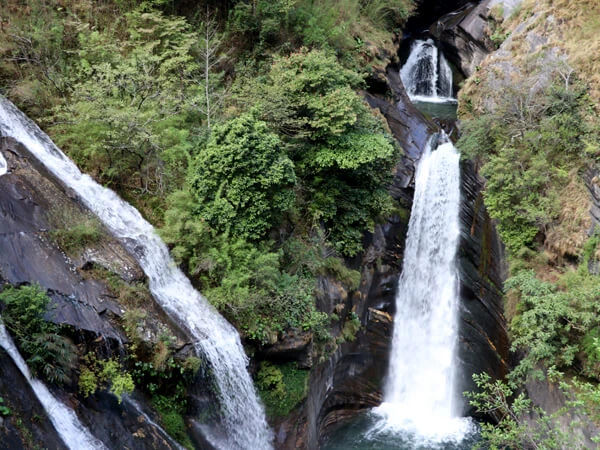
- The region features tall mountains, deep valleys, and rivers formed by melting glaciers.
- See sweeping views of big Himalayan mountains like Lhotse, Nuptse, Ama Dablam, and Thamserku.
- Interact with the Sherpa communities, learn about their culture, visit monasteries such as Tengboche, and enjoy colourful Buddhist festivals.
- Stay at cosy teahouses and lodges, with friendly locals offering you comfort, care, and mountain hospitality.
- Extensive trekking support from the local guides, porters, and rescue team.
- Experience the unique biodiversity, including Himalayan Tahr, snow leopards, and rhododendron forests.
- A wide range of trekking options includes such as Everest Base Camp, Gokyo Lakes, and the Three Passes Trek, offering something for every skill level.
- Reach Everest Base Camp or cross the high mountain passes like Cho La or Kongma La, offering a strong feeling of success.
- The Everest region attracts adventurers looking for a physical and mental test in high-altitude trekking.
- This place is a perfect place for beginners or experienced climbers going to Everest or other nearby mountains.
- Visit ancient monasteries, turn prayer wheels, chortens, and Mani walls, making the trek special with spiritual experiences.
What are the Best Treks in the Everest Region Besides EBC?
The Everest region is mainly popular for the Everest Base Camp trek, but it has many other amazing routes. These best treks in the Everest region that provide stunning views, unique cultural experiences, and less crowded trails compared to the EBC trek. Whether you want a challenging adventure or a peaceful journey, there is are wide range of perfect treks waiting for you beyond EBC.
Gokyo Lake Trek
The Gokyo Lake Trek is one of the most inspiring treks in the Everest region, where you reach stunning turquoise lakes situated at high altitude, offering you some of the peaceful scenery away from the busy EBC trails. Along the way, you enjoy breathtaking views of Everest, Lhotse, and Cho Oyu, as this trail may lead to Gokyo Ri, a perfect viewpoint with some of the best awe-inspiring panoramic vistas in the region.
Three Passes Trek
The Three Passes Trek is an adventurous and challenging route for those seeking a true Himalayan experience. Embarking on this journey gives you a chance to cross three high mountain passes like Kongma La, Cho La, and Renjo La, rewarding you with incredible views and dazzling landscapes. The Three Passes Trek is considered to be one of the rewarding treks in the Everest region, combining culture, stunning scenery, and the thrill of high-altitude trekking.
Pikey Peak Trek
The Pikey Peak trek is a hidden gem in the Everest region, offering stunning views without the crowds. This trek takes you to Pikey Peak, where you are treated to the panoramic beauty of Mount Everest and the surrounding Himalayan range. This trek is a great choice for trekkers looking for a peaceful, off-the-beaten-path adventure with beautiful landscapes and a chance to experience local Sherpa culture.
Ama Dablam Base Camp
The Ama Dablam Base Camp trek is an exciting trek for trekkers wanting to experience one of the most iconic peaks in the Everest region. This trek takes you to the bottom of Ama Dablam, called the “Matterhorn of the Himalayas” because of its striking, sharp peak. During the trek, you witness the stunning scenery, connect with the Sherpa culture, and experience the thrill of being close to the big mountain.
Chhukung Valley Trek
The Chhukung Valley Trek is a less busy path that takes you to the charming village of Chukung, the gateway to Island Peak. During this journey, you will travel through breathtaking alpine scenery and come close to remarkable glaciers. This trek is perfect for those seeking a peaceful experience, breathtaking scenery, and a true taste of Sherpa mountain culture.
Everest Panorama Trek
The Everest Panorama Trek is a short and easy route in the Everest region, making it perfect for those with limited time and beginners. This trek offers amazing views of Mount Everest, Lhotse, Ama Dablam, and other nearby peaks. The journey passes through Namche Bazaar and Tengboche Monastery, giving you a rich taste of Sherpa culture, and rewards you with breathtaking views of the Himalayan landscape in just a few days of trek.
Gokyo Lake Trek with Renjo La Pass
The Gokyo Lake Trek with Renjo La Pass is one of the most scenic and rewarding treks in the Everest region, which takes you to the beautiful Gokyo Lakes and then includes crossing the high-altitude Renjo La Pass (5,360 meters). Reaching the top of the pass rewards you with breathtaking views of Mount Everest, Cho Oyu, and other snow-capped peaks. The Gokyo Lake Trek with Renjo La Pass trek is less crowded than EBC and perfect for adventure lovers seeking peace, beauty, and challenge.
Jiri to Everest Base Camp Trek
The Jiri to Everest Base Camp trek is a classic and traditional route, where you begin your journey from the town of Jiri. This longer trek passes through lush forests, remote villages, and offers a deeper cultural experience of the Everest region. This trek is less crowded than the usual EBC trail and perfect for those who want to explore the full diversity of the Himalayan landscapes.
Everest Base Camp (EBC Trek)
The Everest Base Camp trek is one of the most iconic adventures in the world, located in the heart of the Everest region, where trekkers get a chance to navigate through stunning landscapes, traditional Sherpa villages, and visit ancient monasteries. Reaching the base of Mount Everest at 5,364 meters is a dream for many trekkers, where they get a chance to experience breathtaking vistas of Everest, Lhotse, and Ama Dablam, making it a truly incredible journey.
Island Peak Climb
Island Peak, also called Imja Tse, is a popular mountain in Nepal, situated at about 6,165 meters, which is a beginner-friendly high-altitude mountaineering destination. The climb includes hiking, using ropes, and walking on snow with special gear. From the top, you can see big mountains like Everest and Lhotse. Spring (March to May) and autumn (September to November) are the best times to do the Island Peak journey because of predictable weather and moderate temperatures.
Planning Tips for Trekking Beyond EBC
If you are thinking of exploring more than just the Everest Base Camp, these planning tips for trekking beyond EBC will help you get the most out of your journey. There is are wide range of trekking options, offering stunning views of snow-capped mountains from different perspectives; however, you will require good preparation. With the right planning, you can enjoy a safe, rewarding, and unforgettable adventure in the Everest region.
- Choose a trek that fits your fitness level, how much time you have, and your preferences, such as Gokyo Lakes, Three Passes, and Pikey Peak.
- Improve your stamina by doing cardio, going on hikes, and doing exercises to make your legs stronger.
- Take time to adjust to high altitudes, especially for tough passes like Renjo La and Cho La.
- Pack warm clothes, reliable hiking boots, a good sleeping bag, and essential gear.
- Hiring local guides or porters ensures safer travel, better navigation, and helps support the local economy.
- Make sure to secure both the Sagarmatha National Park Permit and the Khumbu Pasang Lhamu Rural Municipality Permit before your trek.
- Check that your travel insurance covers high-altitude trekking and emergency helicopter evacuation, just in case.
- Stay hydrated and eat enough food to keep your energy levels steady while trekking at high altitude.
- Spring (March to May) and autumn (September to November) are the best seasons for trekking because of favourable weather and clear mountain views.
- Respect Sherpa traditions, be polite at monasteries, and navigate in ways that protect the environment.
Conclusion
While Everest Base Camp (EBC) is world-famous, the Everest region includes some other incredible treks beyond EBC that are less crowded, more culturally immersive, and equally scenic. Each of the treks in the Everest region offers a unique combination of nature, challenge, and culture, making them a perfect alternative for anyone looking to explore the Himalayas beyond the classic EBC trail.