Introduction to Mardi Himal Trek
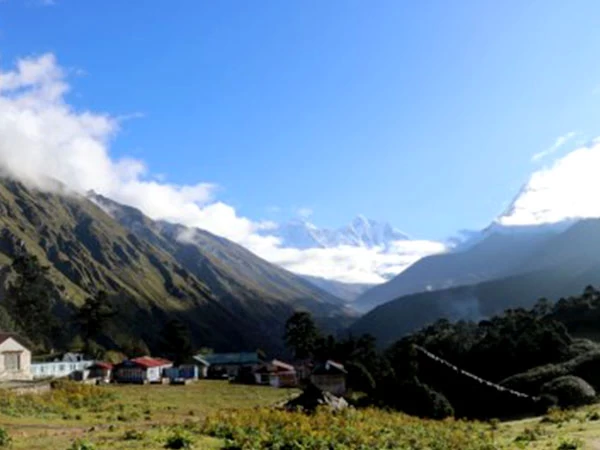
The Mardi Himal Trek is one of Nepal’s most beautiful treks, offering stunning Himalayan views without the crowds. Situated in the Annapurna region of Nepal, this trek involves passing through dense forests, charming villages, where you can witness the beauty of the rugged mountain landscapes. For each type of trekker, the Mardi Himal Trek is an excellent choice, as the journey is peaceful with breathtaking scenery away from the busy trails of Annapurna Base Camp and Poon Hill.
If you are a budget traveler, then this Mardi Himal Trek might be the best choice for you. Trekkers, especially the beginner ones, can take on this journey, as it offers well-maintained and manageable routes that can be easily completed. Throughout the trek, you get to stay in simple teahouses where you can enjoy their warm hospitality and Nepali food, especially cooked from local ingredients. What really makes the Mardi Himal Trek special is he chance to reach the Mardi Himal Base Camp, where you are rewarded by the stunning panoramic views of snow-capped peaks such as Annapurna South, Machapuchare, and other nearby peaks, making your trek worth it.
One of the main reasons behind doing the Mardi Himal Trek is that the journey includes affordable accommodation options and is considered one of the budget-friendly treks in Nepal. If you are in search of an unforgettable Himalayan adventure and a rewarding experience filled with natural beauty and cultural charm, then this trek might be the top choice for you.
Major Highlights of the Mardi Himal Trek
- The trek is known to offer some of the impressive panoramic views of mountains such as Annapurna South, Machapuchare, Hiunchuli, and Mardi Himal peak.
- Grab the chance to see a spectacular sunrise and sunset over the snow-capped Himalayas.
- Get a chance to witness a golden sunrise and sunset over snow-capped mountains, offering a truly unforgettable experience.
- Less crowded trails compared to popular routes like Everest Base Camp and ABC, offering a peaceful trekking experience.
- Pass through traditional Gurung villages, where you can experience warm hospitality and taste authentic Nepali cuisine.
- One of the budget-friendly treks with easily obtained permits, teahouse accommodations, and manageable trekking difficulty.
- Witness blooming rhododendron, especially in the time of spring, offering a vibrant atmosphere.
Route and Itinerary Details of the Mardi Himal Trek
The Mardi Himal Trek starts with your arrival in Kathmandu, where you will be transferred to your hotel and prepared for the journey ahead. The next day, you can enjoy an 8-hour drive from Kathmandu to the beautiful lake city of Pokhara. From Pokhara, you head to Kunde, where the trek officially begins. The first day walk takes you to Deurali, a quiet village at 1,600 meters, which offers you a peaceful and immersive mountain experience.
As you continue, the trail then gradually ascends through rhododendron forests and traditional villages, leading to Forest Camp at 2,400 meters. The next day, you walk up to High Camp at 3,701 meters, where you are treated to the breathtaking views of snow-capped mountains. On Day 06, you make your final ascent to the Mardi Himal Trek at 4,500 meters, followed by a return to High Camp for rest.
Your descent starts on Day 07, as you trek down to Siding at 1,702 meters, before returning to Pokhara. Finally, you take a morning drive back to Kathmandu on Day 09, where you can reflect on this unforgettable experience before your final departure.
How Difficult is the Mardi Himal Trek?
The Mardi Himal Trek is considered a moderate trek, making it easily accessible for every type of trekker. The trail does not include technical climbing or prior high-altitude trekking experience, which is why many beginners choose this trek. However, doing this trek still requires proper fitness and preparation, as you need to walk for several hours each day through gradual uphill and downhill sections.
As the journey reaches up to the Mardi Himal Base Camp at 4,500 meters, there is no major risk of altitude sickness. But make sure to maintain the pace of walking, stay hydrated, and allow your body to acclimatize to the altitude. Along the way, you even have plenty of teahouse accommodations where you can rest and spend your night.
The trail conditions vary from forest paths to narrow ridgelines, as some sections can be steep or slippery, especially during the time of monsoon season. The Mardi Himal Trek is a perfect choice for those who want a rewarding Himalayan experience without extreme difficulty.
What really makes Mardi Himal Trek a unique spot?
The Mardi Himal Trek may be shorter and less well-known compared to other treks in Nepal, but this is what makes it so special. Throughout this trek, you get to see a mix of quiet trails, breathtaking mountain views, and authentic cultural encounters. Below are the reasons that make the Mardi Himal Trek unique and special.
- Unlike the busier and most popular treks, Mardi Himal attracts fewer trekkers, offering you a more peaceful and personal experience.
- You are treated to the jaw-dropping views of peaks such as Machapuchare, Annapurna South, and Hiunchuli.
- This trek takes you through dense rhododendron forests, alpine meadows, and rugged high-altitude terrain in just a few days.
- Get a chance to stay in teahouses, run by the local families, offering you warm hospitality and simple comforts.
- With an 8 - 10-day itinerary, the Mardi Himal Trek is ideal for those who are short on time but still want a full trekking experience.
How much does the Mardi Himal Trek Cost?
The cost of the Mardi Himal Trek depends on your travel style, the duration of your trek, and whether you hire a guide or porter. On average, this trek can be done for around $600 USD - $800 USD in total. This includes basic teahouse accommodations, meals, and necessary permits like the Annapurna Conservation Area Permit and the Trekkers Information Management System (TIMS) Card.
If you hire a guide, expect to pay $25 - $30 per day, while a porter usually costs around $15 - $20 per day. The cost even includes transportation from Kathmandu to Pokhara, and then to Kande; however, the fee depends on whether you choose a tourist bus or a private vehicle. Those who prefer more luxury with better lodging, meals, and support staff may even need to pay a bit extra cost. Overall, the Mardi Himal Trek is one of Nepal’s most affordable treks, especially considering the breathtaking views and cultural experience it offers.
What is the best time to do the Mardi Himal Trek?
The Mardi Himal Trek is one of the hidden gems in the Annapurna region, which is known for its breathtaking views of Machapuchare, Annapurna South, and Hiunchuli. Therefore, for these types of treks in Nepal, choosing the best time makes your trekking experiences better. Here is what you can expect in each season, and plan your trek as per that.
Spring (March - May)
Spring is one of the best times to trek Mardi Himal, rewarded with stable weather, clear skies, and blooming rhododendron forests. During this time, the temperature is also moderate, making it comfortable for long hikes. This season is also known to offer some of the best snow-covered views of the surrounding mountains. At this time, the trails are also well-managed, with limited crowds along the way. If you are in search of a perfect trek that includes more beautiful landscapes with spectacular views, the Mardi Himal Trek during spring can be the best choice for you.
Summer/ Monsoon (June - August)
Summer in Nepal coincides with the monsoon, when the landscapes mostly bloom with greenery all around, with heavy rainfall. During this time, the trails get muddy and slippery, with leeches at lower altitudes of the area. Because of heavy rainfall, mountain views are also obstructed by heavy clouds, making it difficult for you to see the views of nearby mountains.
Autumn (September - November)
For the Mardi Himal Trek, autumn is the best and the most peak times to complete this trek. As this season starts right after monsoon, the air gets crisp with fresh atmosphere, offering you some of the incredible views of the snow-capped Himalayas. The temperature during the daytime is pleasant, but as you ascend higher, the altitude gets cold, especially at night. Many of the trekkers consider autumn as the peak time to trek in Nepal, making the trail packed with trekkers from around the world. Some of the major festivals like Dashain and Tihar are also celebrated during this time, adding cultural richness to your journey.
Winter (December - February)
Winter on the Mardi Himal trail is cold but offers some of the magnificent views of snow-capped peaks from a distance. During the daytime, hiking is possible with proper gear, though nights can get freezing. The trails are much quieter, making it ideal for those who prefer solitude. While some of the teahouses are closed at this time, mainly at higher elevations, lower villages remain open.
Can a beginner do the Mardi Himal Trek?
Mardi Himal Trek is the most popular choice for many beginner treks, especially those looking for an impressive journey in the Annapurna region. The Mardi Himal Trek is one of the shortest and least crowded treks in Nepal, attracting many first-time travelers who want a unique experience in less time. As the trails to the Mardi Himal are well-marked, you don’t need technical climbing skills, as the trek is easily completed with decent fitness levels
While the Mardi Himal Trek is a moderately challenging journey in the Annapurna region, the trek still requires trekkers to have proper fitness and should be able to handle challenging conditions at times. The trail includes passing through some steep climbs and high altitude sections, with the highest elevation to be reached around 4,500 meters. This trek is mostly designed for beginners, but they should keep themselves hydrated and watch out for symptoms related to altitude sickness.
With proper planning and the right mindset, the Mardi Himal Trek can be a perfect chance to trek in the Himalayas, treating you with stunning views, peaceful trails, and a rewarding adventure, mainly for first-time trekkers.
What permits are to be obtained for the Mardi Himal Trek?
To trek in the Mardi Himal region, you need to obtain two essential permits, which are required for you to enter the Annapurna region. Whether you are trekking solo or with a guide, having this permit is mandatory, as it can easily be obtained in Kathmandu or Pokhara. Below are the required permits for the Mardi Himal Trek.
Annapurna Conservation Area Permit (ACAP)
For those doing the Mardi Himal Trek, obtaining the Annapurna Conservation Area Permit is a must and essential to be obtained before starting your journey. The main objective of this permit is to help in conservation efforts and maintenance of the trails in this region. The ACAP permit also helps with the management of the local communities and protects the natural environment. The cost for the ACAP permit is around NPR 3,000 for foreign nationals and NPR 1,500 for SAARC nationals, respectively. This permit can be easily obtained through a registered agency in Kathmandu from the Nepal Tourism Board | National Tourism Organization of Nepal. You need a copy of your passport and provide two passport-size photos while applying. Make sure to keep this permit with you throughout the trek, as many checkpoints may ask for it.
Trekkers Information Management System (TIMS) Card
For trekking to Mardi Himal, obtaining a Trekkers Information Management System Card (TIMS) is essential, as this permit helps to track your movement and ensure your safety throughout the journey. The permit helps authorities to keep data about the trekker and helps in case of emergencies. For independent trekkers, the TIMS Card costs around NPR 2,000, while those who travel in a group with a registered agency need to pay a lower fee.
Things to pack for the Mardi Himal Trek
Proper packing is important for a successful and comfortable Mardi Himal Trek, as the trail takes you through varied terrain and altitude, you need proper gear and for changing weather conditions. Below are some of the essential items to pack for the Mardi Himal Trek.
Clothing
- Base layer (moisture-wicking T-shirts and thermal innerwear)
- Insulating layers (Fleece or down jacket for warmth)
- Outer layer (Waterproof and windproof jacket)
- Trekking pants (Lightweight and quick-dry)
- Warm hat and gloves (for cold mornings and evenings)
- Sun hat and sunglasses (for sun protection)
- Buff or scarf (to protect against dust and wind)
- Undergarments and socks (comfortable and breathable)
Footwear
- Trekking boots (comfortable and easier for hiking)
- Camp shoes or sandals (for relaxing at teahouses)
Gear and Accessories
- Backpack (30–40L)
- Daypack (for shorter hikes)
- Trekking poles (for steep sections)
- Sleeping bag (rated for colder temperatures)
- Water bottles or hydration bladders
- Headlamp with extra batteries
- Sunscreen and lip balm
- Personal toiletries
- Towel and wet wipes
- First Aid Kit
- Snacks
- Power bank and charging cable
- Passport and permit
Essential Toiletries
- Toothbrush and toothpaste
- Biodegradable soap
- Face and body wipes
- Hand sanitizer
- Quick-dry towel
- Toilet paper or tissues
- Lip balm with SPF
- Moisturizer
- Sunscreen with SPF
Is the Mardi Himal Trek Safe for solo travelers?
Yes, the Mardi Himal Trek is a perfect choice for solo travelers, and one of the safest trekking routes in the Annapurna region of Nepal. The Mardi Himal Trek is considered a peaceful trek with fewer trekkers along the way. The trail to the Mardi Himal Base Camp is well-marked and packed with trekkers, especially during peak times. Along the way, you pass through beautiful villages and a teahouse area, where you have chances to interact and experience warm hospitality offered by the locals.
Especially designed for solo travelers, the Mardi Himal Trek is not that challenging compared to popular trekking routes. Still, this trek required trekkers to be aware of and follow some safety precautions. Before starting your journey, make sure to carry a local SIM Card and avoid trekking in the evening, especially at high altitude. Selecting the best time for the Mardi Himal Trek is the most important for solo travelers, so plan your trek as per the season for a more enriching experience.
Having a positive mindset, proper preparation, and always staying on well-marked trails can make trekking to Mardi Himal a rewarding, peaceful, and memorable experience, especially for solo travelers.
What are the accommodation options on the Mardi Himal Trek?
Accommodation on the Mardi Himal Trek is mainly provided in a local teahouse, which is are simple, family-run lodges along the route. The teahouses offer you an excellent place to rest, eat, and interact with fellow trekkers. While the facilities are basic, especially at higher altitudes, they offer a comfortable stay and a chance to experience authentic Nepali hospitality.
Rooms are usually twin-sharing with wooden beds, foam mattresses, pillows, and warm blankets. However, it is highly recommended to bring your own sleeping bag, especially during winter treks. During your stay at the teahouses, toilets are mostly shared, depending on the altitude you reach.
In short, accommodation on the Mardi Himal Trek is simple but sufficient for long days of walking, providing warmth, safety, and a unique trekking experience in less time.