Introduction to the Everest Base Camp
The Everest Base Camp is one of the most iconic trekking destinations in the world, drawing adventure seekers from every corner of the world. Situated in the heart of the Himalayas, this incredible journey is rewarded with jaw-dropping views of snow-capped peaks, including the well-known Mount Everest. Making your way to Everest Base Camp (EBC) is not just a physical challenge; it is a cultural experience through traditional Sherpa villages, ancient monasteries, and impressive alpine landscapes.
The EBC Trek is considered to be a perfect journey for experienced and first-time adventurers, which is also one of the bucket-list options for many trekkers. The journey is filled with natural beauty and spiritual serenity, where you witness yourself being surrounded by towering Himalayas with a chance to gain a deeper connection to Nepal’s mountain culture. Whether you are looking to conquer a high-altitude mountain or simply witness the majestic natural beauty, trekking to Everest Base Camp promises to provide you with an adventure of a lifetime.
Everest Base Camp Trek in Monsoon
Trekking to Everest Base Camp in the monsoon season, from June to August, offers a unique and peaceful experience in the Himalayas. However, during this time, the trails are quieter and dense with greenery, where the views are blocked by thick clouds. During the time of monsoon, the trails are mostly empty, giving trekkers an experience of a more personal journey through traditional Sherpa villages and impressive landscapes.
Though at this time, the spectacular views of Mount Everest may be limited due to heavy clouds, the mesmerising beauty and vibrant culture still make the trek rewarding. With proper gear and preparation, the EBC trek in the monsoon can be a memorable adventure. EBC trek during monsoon is ideal for those seeking solitude, fresh mountain air, and a different perspective of the Everest region. Make sure to always check weather updates and choose experienced guides for a safer and more enjoyable trek.
Why Trek to Everest Base Camp during the Monsoon?
Trekking to Everest Base Camp during the monsoon provides a quieter, greener, and more immersive Himalayan experience. While this time is a less popular season, it comes with unique rewards for adventurous travellers. Below are the reasons, make the Everest Base Camp trek during monsoon a rewarding one.
Fewer Crowds
One of the best things about trekking to Everest Base Camp during the rainy season is that there are fewer people on the trail. Unlike the busy seasons of spring and autumn, the monsoon season has fewer trekkers, offering a peaceful walk, enjoying the calm, and fully experiencing the natural surroundings. Lodges and teahouses usually have rooms available, so you can relax without worrying about the accommodation. You also get more chances to connect with the locals and learn their traditions, helping you enrich your trekking experiences. The quiet trails and peaceful surroundings help make the journey feel more personal, so you can relax, recharge, and enjoy the amazing Himalayan views at your own pace.
Lush Green Landscapes and Breathtaking Beauty
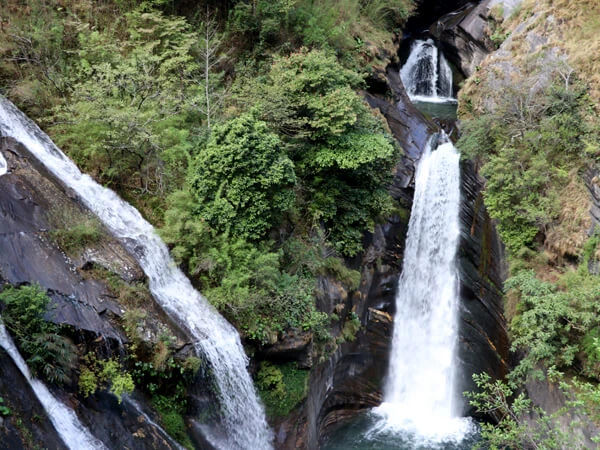
During the monsoon, the Everest Base Camp Trekking trails are mostly surrounded by lush green landscapes because of rainfall, turning the forests, meadows, and valleys into a vibrant atmosphere and creating a beautiful environment for trekkers. The clean mountain air and colourful blooming flowers make the walk more enjoyable, great for those who love nature and are engaged in photography. Doing the EBC trek during the monsoon offers a unique view of the Everest region, as most of the time the trails are dry and dusty. If you want to experience the Himalayas in full bloom, trekking to Everest Base Camp during the monsoon is an unforgettable adventure filled with natural beauty and peaceful surroundings.
Rich Cultural Experience
Trekking to Everest Base Camp during the monsoon season allows for a richer and more soul-stirring journey into the heart of Himalayan culture. With fewer trekkers around you, it can help you connect with the local Sherpa people and learn about their traditions. You have time to explore traditional Sherpa villages, visit ancient monasteries, and learn how people live in the Himalayas. With fewer crowds, the friendly locals can interact with you more, making it easier to connect with them. From sharing meals in teahouses to witnessing local festivals, trekking in the monsoon lets you fully experience the rich culture of the Everest region, making it more than just a physical journey.
Budget-friendly Travel
If you are travelling on a budget, trekking to Everest Base Camp during the monsoon is a smart and affordable choice. With fewer crowds, teahouses and trekking companies drop their prices, making it the perfect time for an affordable Himalayan escape. During this time, flights to Luka are often cheaper in the monsoon compared to other peak trekking months. With fewer trekkers on the trail, you can find better deals and flexible booking options. This makes the Everest Base Camp trek cheaper while keeping the quality of the experience. For those seeking a rewarding Himalayan adventure, the monsoon season provides a more affordable way to experience Everest’s natural beauty and culture.
Unique Adventure Challenge
Trekking to Everest Base Camp during the monsoon brings a unique sense of adventure, as the trails can be muddy and slippery with unpredictable weather and frequent rainfall, but that’s what makes the EBC Trek during monsoon the exciting part. This is a perfect chance to test your abilities and enjoy the thrill of facing nature in its raw form. The changing landscapes, fewer crowds, and untouched feel of the journey make it a perfect trek that you have ever experienced. With proper gear and a positive mindset, all these challenges become part of the reward, helping you create unforgettable memories and a real sense of achievement, having completed one of the world’s most iconic treks in a season few dare to explore.
Photography Opportunities
The Everest Base Camp Trek during the monsoon season offers some truly unique photography opportunities, as the rain opens up the landscapes with lush green forests, mist-covered hills, and dramatic skies, creating a peaceful atmosphere. The wildflowers bloom along the trails, and the clouds often clear in the morning, offering spectacular views of nearby mountains and some glimpses of Mount Everest. Along the way, you get a chance to capture photos of the charming Sherpa villages, prayer flags, and mountain trails, which is a rare chance to witness the Everest region in a fresh and beautifully raw perspective.
Problems You Might Face During the Monsoon Trek to Everest Base Camp
Trekking to Everest Base Camp in the rainy season gives you beautiful views and peaceful trails, but it also brings some unique challenges. Preparing for these challenges can make your Himalayan adventure both safer and more enjoyable. Below are the problems you might face during the Monsoon Trek to Everest Base Camp.
Slippery and Muddy Trails
Monsoon rain makes the trekking trails wet, muddy, and slippery, increasing the risk of slipping or injury, along with the chances of landslides. However, with proper trekking boots, a strong grip, and waterproof gear, the journey to EBC during the monsoon can be a fruitful experience for you. Trekking poles also play an important role in improving your balance and reducing strain on your knees. The Everest Base Camp trek during the monsoon requires proper planning, especially for steep and uneven paths. So walk slowly, avoid rushing, acclimatize properly, and stay alert on the trails to ensure your safety in these wet and unstable conditions.
Flight Delays and Cancellations
Heavy clouds, frequent rainfall, and poor visibility can often lead to flight delays or even cancellations between Kathmandu and Lukla. Since flights to Lukla are fully weather-dependent, trekkers may face unexpected delays. So, to avoid stress, keep extra days in your itinerary. However, trekkers making their EBC journey with High Camp Adventure need not worry, as our team has already planned an extra day to the Everest Base Camp Trek itinerary. Booking early morning flights and staying flexible with travel plans can also help you during the journey during the monsoon. Make sure to ensure yourself with travel insurance that covers flight interruptions, and be patient, as delays are common for high-altitude flights, but it is necessary for safety in the mountainous region.
Views are obstructed due to heavy clouds
One of the major highlights of trekking to the Everest Base Camp is seeing Mount Everest and witnessing the surrounding peaks. However, during the time of monsoon, the heavy clouds block the breathtaking views of the snow-capped peaks. While in the morning the skies are clear with proper visibility, the stunning landscapes, where you pass through dense forests, peaceful trails, and witness the blooming wildflowers, make your journey even more captivating. When the clouds part, the sight of Everest feels even more magical and rewarding.
Leeches and Insects
Monsoon’s warm and wet conditions often attract leeches, especially in forested areas at lower elevations. Though leeches are harmless, they can be annoying; therefore, to avoid bites, wear full-length pants, long socks, and use insect repellent to keep them away. Leeches are most common in damp and forested areas. They don’t cause sickness, but their bites can be unpleasant and messy. Bringing salt or tissue helps you gently remove leeches, as being ready makes dealing with leeches and insects on the Everest trek easier.
Risk of Landslides and Trail Damage
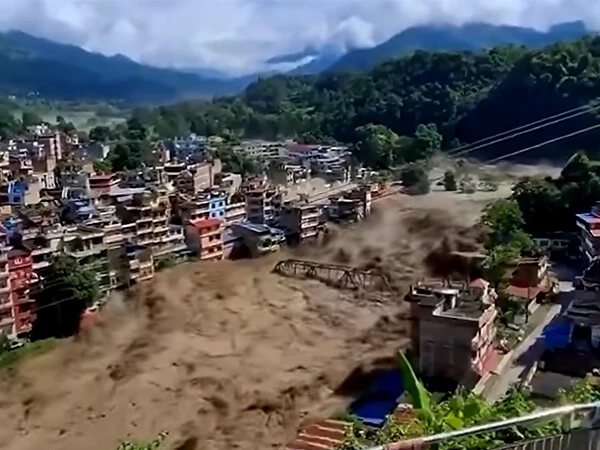
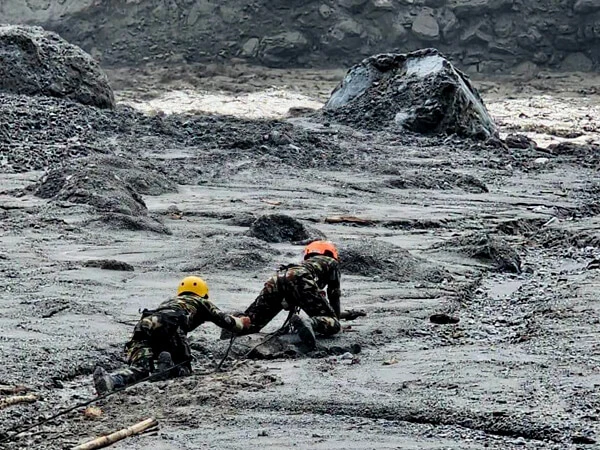
Heavy rain during the monsoon can loosen soil and rocks, which can increase the risk of landslides in parts of the Everest region. Some of the trails can be blocked, washed away, or unsafe during the rainy season, so it is important to stay updated about the trail conditions through local guides, as they help you navigate through the safest routes. Avoid trekking alone, and always stick to the marked trails for safety. Hiring an experienced guide during the monsoon is strongly recommended, as they can make smart decisions and find safe alternative routes when needed.
How to Prepare and Plan for your Everest Base Camp Trek
Planning a successful Everest Base Camp Trek requires careful preparation to ensure safety, comfort, and enjoyment. From packing the right gear to getting your body ready for high altitudes, a well-thought-out plan is required. Below is a quick guide for essential preparations and tips for physical training before your trek.
Essential Gear
- Waterproof jacket and pants
- Waterproof trekking boots with a good grip
- Quick-dry, moisture-wicking clothes
- Warm layers (fleece or down jacket)
- Waterproof backpack cover and rain cover
- Trekking poles
- Gaiters to keep mud and water out
- Headlamp with extra batteries
- Dry bags
- Insect repellent for leeches and mosquitoes
- First aid kit
- Water bottles and water purification tablets
Physical Preparation for the trek
Physical preparation is essential for the Everest Base Camp because of the high altitude and difficult terrain. Two to three months before, begin training for your trek, mainly focusing on cardio activities such as hiking, running, or cycling to build stamina. Strengthen your legs with exercise like squats, lunges, and step-ups to perfectly handle steep climbs and uneven terrain. Include some core workouts to improve your balance and lower the chances of injuries. Also, practice walking long distances while carrying a loaded backpack to get used to trekking. Maintaining a regular fitness routine improves your body’s adaptation, making your Everest Base Camp trek safer and more enjoyable.
Essential Tips for a Successful Everest Base Camp Trek During Monsoon Season
Trekking to Everest Base Camp in the monsoon can be an incredible experience if you are well-prepared. These tips will help you stay safe, comfortable, and make the most of your adventure despite the challenges of the rainy season. These tips will help you stay safe, comfortable, and make sure the most of your adventure despite the challenges of the rainy season.
- Gear up with high-quality waterproof jackets, pants, and boots to keep yourself dry during the trek.
- Use trekking poles to help you with balance on wet and slippery trails.
- Pack only essential items and use waterproof bags to protect your gear from the rain.
- Flight delays and changing weather are common during the monsoon, so include extra days in your itinerary.
- Stay hydrated and eat nutritious meals to help your body deal with the high altitude and harsh weather conditions.
- Hire experienced local guides, as they know the safest routes and can assist during unpredictable weather and uneven trails.
- Monsoon clouds often hide the mountain views, so enjoy focusing on experiencing the journey and the rich culture.
- Take your time to ascend and listen to your body’s symptoms, as elevating to a higher altitude can increase the risk of altitude sickness.
Conclusion
Trekking to Everest Base Camp during the monsoon season is not for everyone, but for those who dare, it offers a unique and deeply rewarding adventure. With quiet trails, lush landscapes, and dramatic Himalayan views, trekking in the rainy season can be an unforgettable experience.
While the monsoon season presents challenges like slippery trails and unpredictable weather, proper preparation, equipment, and a positive mindset turn these into a meaningful part of the adventure. If you want quiet trails, green scenery, and a unique way to experience the Everest region, trekking to Everest Base Camp in the monsoon is worth thinking about.
For a better experience, plan your Everest Base Camp trek during spring or autumn. These seasons offer clear skies, pleasant weather, and jaw-dropping landscapes, making the trails safer and the mountain views spectacular.