Everest Panorama Trek
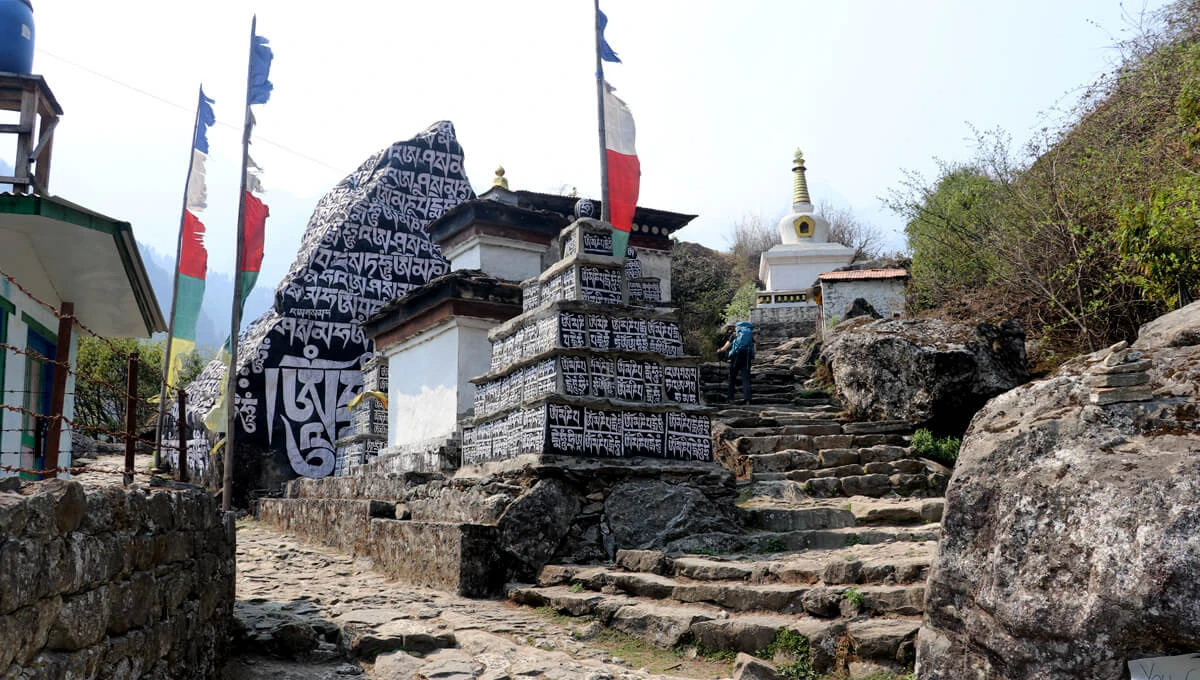
Buddhist chorten and prayer flags on Everest Panorama Trek trail
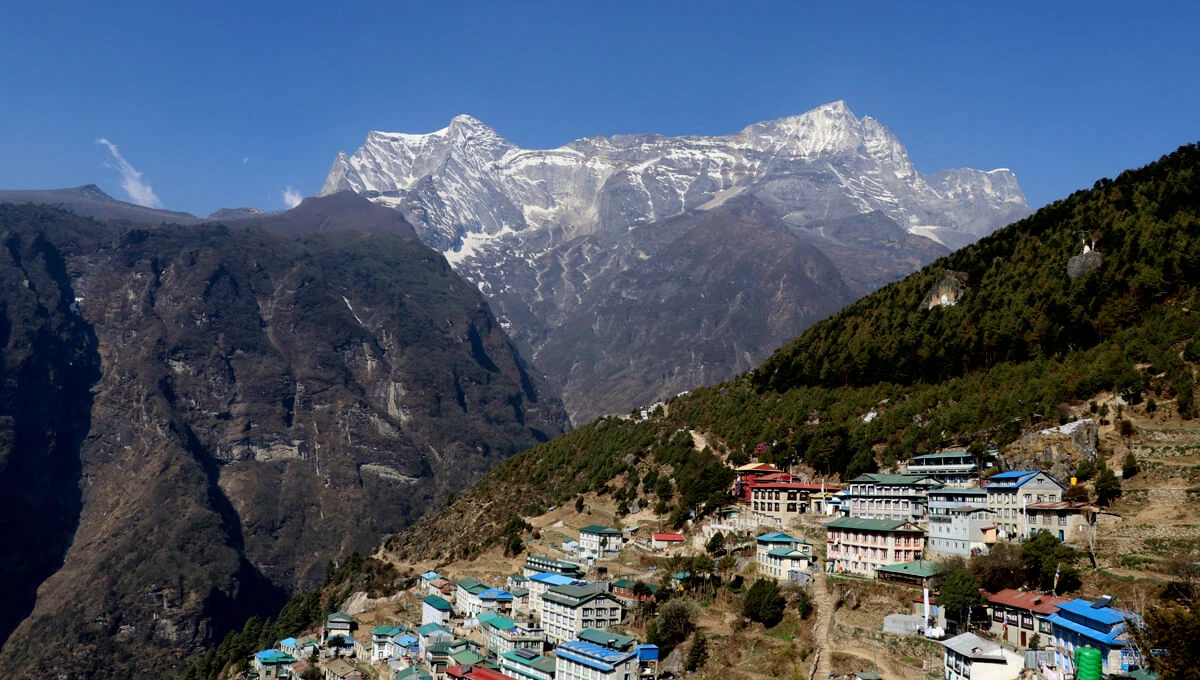
Namche Bazaar village and Himalayan peaks on Everest Panorama Trek

Everest Panorama Trek - 9 Days

31 reviews in Trip Advisor
11 reviews in Google Reviews
Recommended by 99% of travelers
Duration
9 Days
Trip Grade
Moderate
Country
Nepal
Maximum Altitude
3,880 / 12,729 ft
Starts
Kathmandu
Ends
Kathmandu
Activities
Trekking & Hiking
Best Time
Spring and Autumn

Everest Panorama Trek Overview 

The Everest Panorama Trek is a 9-day short Everest trek through the Khumbu region of Nepal. It reaches Tengboche at 3,860 m, giving you time to see Mount Everest, Ama Dablam, and other Himalayan peaks without going all the way to Everest Base Camp

The route starts with a Lukla flight and follows the Dudh Koshi Valley and heads towards Namche Bazaar. Here you spend an acclimatization day around Namche and Khumjung before continuing to Tengboche and its well-known Buddhist monastery

This Everest View Trek is known as easy to moderate, although the altitude and repeated uphill sections still require reasonable fitness. The walking is mostly on established mountain trails, with stone steps, suspension bridges, and forested sections along the way. 

Along the way, you spend most of the time in local teahouses and have the opportunity to see the daily life of the Sherpa culture. This gives you a great glimpse into the local lifestyle of people in the Everest region. The Everest Panorama Trek does not follow the classic Everest Base Camp route, so it is now categorized as a family-friendly trek.

Spring and autumn are the perfect seasons to attempt the Everest Panorama Trek in 2026/27. This gives you predictable mountain weather and snow-draped mountain views. The trip also suits travelers who want an Everest-region trek but have limited time for a longer high-altitude itinerary. 

Important Highlights of 9-day Everest Panorama Trek 

  • See the Khumbu region in just a 9-day Everest trek without committing to the longer Everest Base Camp route
  • Start the trek with a scenic mountain flight from Kathmandu to Lukla, rewarded with the astonishing beauty of the snowy peaks.
  • Spend time in the main Sherpa town, Namche Bazaar, as this is one of a trading town and an excellent spot to acclimatize before heading higher. 
  • Use the acclimatization day to explore one of the traditional Sherpa settlements which lies near Namche. 
  • Reach the highest point, Tengboche at 3,860 meters, which is famous for its Tengboche Monastery
  • Along the trail, enjoy Himalayan views of Mount Everest and Ama Dablam, particularly from the Namche and Tengboche areas. 
  • Walk through the Sherpa culture and mountain villages; along the way, you get to visit settlements and monasteries, see prayer walls, and rest at the local teahouses. 
  • Spend time in simple mountain teahouses and experience a local way of living, as this is what makes trekking in the Everest region unique. 
  • Take on a perfect alternative to EBC, as you get into the Everest region without reaching Kala Patthar or Everest Base Camp
  • One of the most comfortable choices for travelers who want an Everest-region trek but have only about a week of trekking time in Nepal. 

Everest Panorama Trek Difficulty Level 

The Everest Panorama Trek Difficulty falls in the easy-to-moderate range, but it is not a completely effortless walk. You will spend several days walking on uneven mountain trails, with some steep uphill and downhill sections. The biggest change is the increase in altitude as you move from Lukla towards Namche and Tengboche

You do not need technical climbing skills for this route. Still, being comfortable with four to six hours of consecutive days will make the trek much easier. The trail includes stone steps, suspension bridges, and sections through forest, so good walking shoes and a steady pace are useful. 

Altitude is another factor to take seriously. Although this trek does not reach high altitudes, the acclimatization day around Namche gives your body time to adjust before reaching Tengboche. However, if you prepare with regular walking or uphill exercise beforehand, this moderate-altitude trek is manageable for many first-time trekkers. 

Everest Panorama Trek Itinerary (Day-by-Day)

The Everest Panorama Trek itinerary takes 9 days from arrival in Kathmandu to your final departure. The actual trek begins after your flight to Lukla. From there, you simply make your way towards Phakding, and then continue further to Namche Bazaar and Tengboche the next day after resting well. 

The walking hours on each day are easily manageable, but there are time where you need to navigate through uphill and high-altitude areas. Even though there is nothing to worry about regarding the elevated height, you just travel through the lower Khumbu parts. On day 04, you get an extra day to spend in Namche, as it is provided to take on a short hike towards Khumjung. In this way, your body can easily adapt to the growing altitude before you proceed further into Tengboche. 

Your Day 05 trek includes reaching 3,860 meters, which is also the highest point of the trek. Here, you get to spend enough time resting, enjoying the surrounding landscapes, and visiting the famous Tengboche Monastery. After memorable moments in Tengboche, you descend back towards Phakding and Lukla. The very next day is your return flight to Kathmandu, but this heavily depends on the weather and flight conditions on that day. 

Best Time for Everest Panorama Trek 

The preferred time for doing this Short Everest trek is usually spring and autumn, especially from March to May and late September to November. Both of these seasons bring predictable weather, crystal-clear mountain vistas, comfortable daytime conditions around lower Khumbu, and well-maintained trails. They are also popular times, so trails and teahouses can be busier. 

October and November are particular appeaning if clear views are your main priority. Spring brings warmer conditions and the chance to see rhododendron along some lower sections of the trail. Winter is colder, especially around Tengboche, while the summer monsoon can bring rain, clouds, and less reliable mountain visibility. 

For an Everest Panorama Trek, it is worth checking the weather and Lukla flight conditions close to departure. Mountain weather can change quickly, so even during the preferred seasons, a flight schedule or trekking plan needs to be adjusted. 

Can first-time trekkers do the Everest Panorama Trek?

Yes, the Everest Panorama Trek is suitable for beginners who are physically fit and comfortable with several hours of walking each day. For this, you don’t need prior trekking experience or any technical climbing skills. The trail is mostly a regular mountain walking route, with uphill sections, stone steps, suspension bridges, and some long descents. 

However, this is still a Himalayan trek. You reach Tengboche at 3,860 m, and the climb from the lower Khumbu towards Namche and Tengboche can feel tiring if you are not used to walking uphill. Therefore, our itinerary includes a rest day in Namche, allowing your body some time to adjust before going higher. 

So, if you can walk for around 4 to 6 hours and do some regular walking, hiking, or stair climbing before the trip. Then this trek will be much more rewarding in the Everest region. Even being an athlete is not required to take this odyssey. 

Everest Panorama Trek Cost and Price Breakdown 

The Everest Panorama Trek price starts at US$1,199 per person for a single person. Similarly, the cost becomes lower for larger groups because transportation, guide services, and other trekking arrangements are shared among travelers. 

Group Size Price per person
1 person US$1,199
2 - 4 people US$1,099
5 - 10 people US$1,049
11 - 15 people US$999
16 - 20 people US$949

The package price covers the main services arranged for the trek according to the confirmed itinerary. Although all important amenities are included in your package, carrying extra Nepali rupees for your personal expenses is highly recommended. Facilities such as Wi-Fi, charging, hot showers, drinks, snacks, and bottled water are not included in your package cost. 

We even suggest travelers carry enough cash before they leave from Kathmandu. With limited ATM facilities at higher altitudes, having enough money for your entire trip can be more convenient. 

For someone who is traveling on a budget with limited time, we prefer going for the Everest View Trek. If you compare the Everest Panorama Trek cost with the standard Everest route, the short Everest trip costs you less and is more affordable. 
Everest Panorama Trek - 9 Days Itinerary

Start Point: Kathmandu
End Point: Kathmandu
Expand All

You make your first arrival at the Tribhuvan International Airport in Kathmandu where one representative from our team will be there to pick up and transfer you to your designated hotel inside Kathmandu Valley. Freshen up and explore the nearby areas buying stuff for your tomorrow's travel.

Meals: breakfastAccommodation: Hotel

Your flight to Lukla from Kathmandu is mostly scheduled during the morning as it offers you stunning views of the Himalayan mountains and amazing hills from your window. After landing in Lukla, you begin your trek to Phakding where the stay for the night is arranged.

Max Altitude: 2,860 M (9,397 ft) and 2,610 MMeals: breakfast, lunch, dinner providedAccommodation: Tea house

Your trek begins from Phakding to Namche Bazaar where you start after an early morning breakfast. Your way navigates through stunning views with an extra elevation gain to reach Namche. The route is a bit challenging and harsh making it adventurous for you. Along your way, witness the breathtaking views of Kusum Kangru and Kondge. You will be crossing through several suspension bridges and dense rhododendron forests with a chance to see several prayer flags.

Max Altitude: 3,440 M (11,286 ft)Meals: breakfast, lunch dinner providedAccommodation: Tea house

Taking a rest break at Namche is important for you to acclimatize yourself properly in the high-altitude areas. Take a short hike towards the Everest View Hotel which provides you with panoramic views of Everest, Ama Dablam, and other iconic peaks. Explore the local market as Namche, is well-known for its cafes and bakeries shops where you can relax and engage with the locals. You may even take a bit longer hiker towards the Khumjung, a traditional Sherpa village where you can visit the famous ancient Khumjung Monastery.

Meals: breakfast, lunch, dinner providedAccommodation: Tea house

Today’s journey from Namche to Tengboche includes some gradual ascent which offers you a chance to witness the mesmerizing views of Ama Dablam, Everest, Lhotse, and other peaks. You will be passing through dense rhododendrons and pine forests that navigate along the Dudh Koshi River. After having your lunch, you begin your trek crossing suspension bridges over the Dudh Koshi River with an elevation gain up to Tengboche. The trail section from Namche to Tengboche is demanding yet rewarding, as you get a close view of the Ama Dablam and Everest along your way.

As you reach Tengboche, explore the nearby areas as this place is perfect for trekkers willing to experience the stunning views along with the peaceful surroundings. You may even visit the Tengboche Monastery, one of the largest and most significant monasteries for the Sherpa community in the Khumbu region. The mountain views seen from the monastery make your journey worth the visit as it provides you with a panoramic backdrop of peaks like Ama Dablam and Kangtega.

Max Altitude: 3,860 M (12,664 ft)Meals: breakfast, lunch, dinner providedAccommodation: Tea house

Your return from Tengboche to Phakding includes some steep descent with few uphill sections making the trek a bit demanding. The starting phase of the trek is steep passing through dense forests along the Dudh Koshi River. Along the way, you can witness remarkable views of mountains, especially of the Ama Dablam. Upon nearing Namche, you will be stopping for lunch and proceeding towards the final destination. The route from Namche to Phakding is a bit tough with rocky trail sections while you get to see small villages of the Sherpas. The return is an important part of the trek as you get a chance to revisit the stunning landscapes and beautiful villages at higher elevations.

Max Altitude: 2,610 M (8,562 ft)Meals: breakfast, lunch, dinner providedAccommodation: Tea house

Today you will have a short trek towards Lukla, which is mostly easier with some ups and downs portion. The trail from Phakding initially follows through the Dudh Koshi River, passing through small villages and dense forests. From Chheplung the route gradually climbs uphill towards Lukla. Upon approaching Lukla, you can explore the nearby areas and engage yourself with the locals of the area.

Max Altitude: 2,860 M (9,383 ft)Meals: breakfast, lunch, dinner providedAccommodation: Tea house

Your flight from Lukla is scheduled in the morning as you can see the dazzling views of the Himalayas and stunning landscapes from your window. Before you depart from Lukla, make sure to take a visit to local shops and bakeries along with interacting with the locals. As you approach Kathmandu, one of our team representatives will pick you up and transfer you to your designated hotel. Freshen up and be ready as our team has a sightseeing program for you to explore the major tourist destinations in Kathmandu.

Max Altitude: 1,400 M (4,593 ft)Meals: breakfastAccommodation: Hotel

The Everest Panorama trek finally ends, and now it is the time to make your final departure to your home. Our team member will help you to drop at the International Airport according to the flight schedule. Feel free to inform our team if you have any complaints or feedback. High Camp Adventure is excited to journey with you once more.

Let us help You Plan Your Perfect Holiday
Looking for a customized trip? Let us know your estimated holiday time, budget, travel style, etc. We will design an amazing personalized itinerary for you.

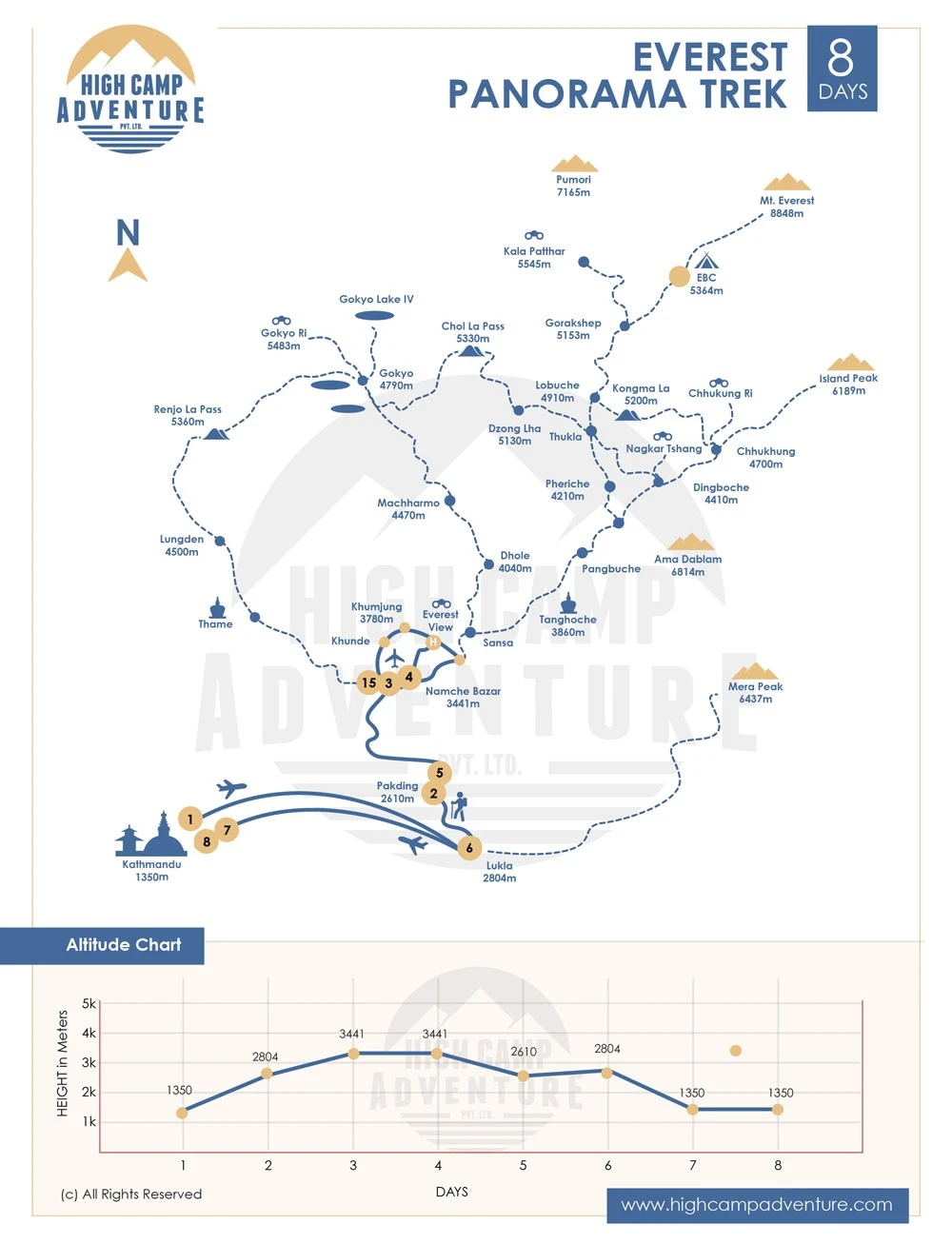
Route Map

Everest Panorama Trek Map

Cost Details

Includes

  • Airport transfers in Kathmandu are included for your arrival and departure according to the planned itinerary. 
  • Kathmandu hotel accommodation, giving you a comfortable place to stay before and after the trek. 
  • Domestic flights for the trekking route are included according to the confirmed itinerary and flight arrangements. 
  • Teahouse accommodation is included throughout the trekking days. 
  • Three meals during the trek (breakfast, lunch, and dinner) are included on the trekking days. 
  • A government-licensed trekking guide accompanies you throughout the trek, helping with route navigation, daily arrangements, and general trekking support. 
  • Porter service is included to help carry the main trekking baggage, allowing you to walk with a lighter daypack. 
  • Basic trekking equipment such as a down jacket, sleeping bag, and trekking poles (must be returned at the end of your trip). 
  • Sagarmatha National Park Entry Permit.  
  • Khumbu Pasang Lhamu Rural Municipality Permit.
  • Guide and porter expenses, such as wages, meals, accommodation, and necessary transportation for the guide and porter, are covered by the package. 
  • Ground transportation is as mentioned in the confirmed itinerary. 
  • Government taxes and the company’s service charge. 

Excludes

  • International airfare is not included. 
  • Nepal Tourist Visa and any related visa charges must be paid separately. 
  • Items such as trekking shoes, warm clothing, and other personal gear. 
  • Snacks, extra beverages, bottled water, and other food purchased outside the included meals are not covered. 
  • Wi-Fi, charging, and hot showers are available at some teahouses but usually come with an additional charge. 
  • Tips for guides, porters, and other staff are not included. 
  • Additional accommodation, meals, or transportation resulting from flight delays, bad weather, or changes outside the planned itinerary. 
  • Any service, activity, or expense that is not specifically mentioned under Cost Includes should be considered an additional personal expense. 
  • Travel Insurance is not included in the package. 

Dates & Availability

These are upcoming fixed departure dates. If you are looking for a different date, feel free to contact us.

Essential Information

Accommodation and Meals During the Trek 

You stay in local teahouses along the trail. The rooms are simple, usually with a bed and basic bedding, and bathrooms are often shared among trekkers. Namche has more places to stay, so you can find a few more choices there. Once you get closer to Tengboche, things become quieter, and the facilities are more basic. 

Food is also easy to find along the route. Dal bhat is a common choice, but you also see noodles, rice, pasta, soup, eggs, and a few simple local dishes on the menu. Breakfast and dinner are usually served where you stay, while for lunch you stop at a teahouse along the trail. Tea and other hot drinks are available too.  

Guide and Porter Services 

For the Everest Panorama Trek, you have a Sherpa trekking guide with you throughout the way. They help you stay on the right trail, manage the daily arrangements, and communicate at the teahouses when needed. You can also ask them about the villages, local culture, or anything that you are unsure about along the way. 

A porter will carry your main trekking bag, so you won’t have to walk with all your belongings on your back. All you need is a small daypack with things you need during the day, such as water, snacks, a jacket, and other personal items. It makes the uphill sections a bit easier to ascend. 

Permits Required for Everest Panorama Trek

Before you start the trek, you need the permits required to enter the Everest region. Since the route goes through Sagarmatha National Park, a Sagarmatha National Park Entry Permit is required. You also need the applicable Khumbu Pasang Lhamu Rural Municipality local entry permit for the area. 

The permit rules and fees can change, so it’s better to check the latest requirements from the Nepal Tourism Board Office in Kathmandu. If you book the trek as a package, permit arrangements can usually be handled as part of the trekking preparation. Your operator should tell you which permits are included in the package and whether anything needs to be arranged separately. 

Gear and Packing List for Everest Panorama Trek

You don’t need technical climbing gear for the 9-day Everest Panorama Trek. Still, packing the right basics will make the walking days much easier. The route reaches 3,860 m, so warm layers, comfortable footwear, and protection from changing mountain weather are important. 

Upper Body 

  • Lightweight T-shirts are useful for warmer walking hours and can be layered under warmer clothing. 
  • A fleece jacket provides an extra layer of warmth when temperatures drop, especially in the morning and evening. 
  • A down or insulated jacket is useful around Namche and Tengboche when the temperature becomes colder. 
  • A waterproof jacket to protect you from rain, wind, and sudden changes in the mountain weather. 
  • Add thermal inner layers for colder days. 
  • Lightweight sweater to give you another comfortable layer for evenings at the teahouse. 

Lower Body 

  • Comfortable pants that make it easy to move on uphill and downhill sections. 
  • Add thermal trousers for cold mornings, evenings, and nights at higher elevations. 
  • Keep an extra pair of socks in case your socks get wet or uncomfortable. 
  • Camp shoes or sandals.

Trekking Gear 

  • Daypack to carry water, snacks, extra layers, and other small items during the walk. 
  • Trekking poles for balance and extra support on steep or uneven sections. 
  • Sleeping bag for comfortable nights in the mountain teahouses. 
  • Water bottle 
  • Headlamp with spare batteries for backup. 
  • Sunglasses for protecting your eyes from strong sunlight. 
  • Sunscreen and lip balm to protect your skin and lips from dry air and strong mountain sun. 

Personal Items 

  • Carry essentials such as toothbrush, toothpaste, soap, and other personal hygiene items. 
  • Small first-aid kit 
  • Personal medication that you take on a regular medication. 
  • Hand sanitizer, useful when washing facilities are limited. 
  • Wet wipes. 
  • Quick-drying towel. 
  • Snacks 

Transportation for Everest Panorama Trek

Your Everest Panorama Trek starts with an airport pickup in Kathmandu. Once you arrive, you are taken to your hotel and have some time to settle in before the trek begins. On the next day, you catch a short mountain flight to Lukla, which is only 30 to 35 minutes long. 

From Lukla, the main part of the trek is on foot. You walk through Phakding and Namche Bazaar before reaching Tengboche. At the end of the trek, you retrace your steps back to Lukla and take a return flight to Kathmandu. A final airport transfer is provided on your departure day. However, keep in mind that Lukla flights can be affected by mountain weather, so the flight time may sometimes change. 

Travel Insurance

To trek the Everest Panorama Trek, you must have travel insurance with you, even though there are no necessary policies issued by the Government and agencies. But for safety and security reasons, High Camp Adventure highly suggests you be insured with travel insurance as in case of any emergencies, it reduces your medical charge bills and other fees. The travel insurance includes various safety features related to trekking in the Himalayas of Nepal. Therefore, trekkers wanting to trek with the team of High Camp Adventure must be assured of travel insurance.

Challenges and Considerations

For the Everest Panorama Trek, there are a few challenges and considerations you need to know for a better and more comfortable experience of trekking in the Himalayas. Make sure to be aware of the challenges; however, the Guide will always assist you throughout the journey for your safety and support.

Altitude Sickness

For many of the trekkers, altitude sickness can be a major problem them, as it is common for humans. The higher you ascend, the more challenging the route conditions will be, so trekkers with altitude problems may find it a bit demanding. However, below are some of the symptoms and preventive measures to avoid the problem of altitude sickness.

  • Symptoms: headache, nausea, dizziness, vomiting, difficulty in breathing, loss of appetite, swelling of hands and legs, blurred vision, sore throat, rapid heartbeat, fatigue, dehydration, insomnia, etc.
     
  • Preventive Measures: ascend slowly, drink a lot of water, acclimatize yourself, monitor your health, inform your Guide and team members in case of emergency, avoid sleeping pills, eat light meals, avoid smoking and consumption of alcohol, etc.

Weather Conditions

The climatic conditions in the area of Everest are unpredictable. However, during favorable trekking seasons, the weather is good with moderate temperatures. However, be ready for different weather conditions as you elevate. Make sure to check the weather forecast before you start your journey. Always acclimatize properly with the surrounding areas for a better and more comfortable stay at higher elevations.

Everest Panorama Trek - 9 Days FAQs

The Everest Panorama Trek located in the Everest Region, is a perfect trek to witness the breathtaking landscapes with the majestic Everest and other minor peaks in a short duration of time. This package covers all the areas such as Tengboche, Namche, etc.

The level of difficulty is considered to be moderately challenging, ideal for trekkers who just want to start their trekking experiences in the Himalayas. The trek consists of uphill walks with perfect technical climbs.

The maximum altitude reached is 3,860 meters where the Tengboche is located while you pass through other destinations including Namche Bazaar and other small settlement areas.

It is not an obligation to carry a guide and a porter but it is considered to be a better idea to trek with them. Trekking with Guide and Porter makes your journey comfortable, guides you, and carries all the heavy luggage to make sure you fully engage yourself in the trek.

For the Everest Panorama Trek, you must carry a sleeping bag, warm clothes, trekking shoes, water bottles, sunscreen, sunglasses, torchlight, medical kit, trekking pole, and all the necessary documents and permits.

During the trek, your meals will be provided by the locals of the tea houses who serve Nepali, Tibetan, and Western foods. Make sure to try the local cuisines like Momo, Dal Bhat, Pasta, Noodles, Dhedo, Thupka, and many more. The foods offered to you are hygienic and freshly made with local ingredients.

Yes, places like Namche Bazaar provide you with basic facilities of health posts although, in case of any emergencies you will be evacuated to Kathmandu via helicopter. However, you will be provided with a medical kit throughout the trek.

For the Everest Panorama Trek, it is advisable to carry local currency (Nepali rupees) as many of the shops and tea houses don’t accept credit cards. However, big towns like Namche do accept credit cards.

Cancellation of flights to Lukal is common due to weather conditions. If such situations arise, you will have to wait for the weather to change or may take a helicopter ride (relatively expensive).

Some of the tea houses do provide you internet access but at an extra cost, which may be quite slow, especially for trekkers at higher altitudes. At some points, you may even use mobile data, however, slower than you expect.

Yes, the trek is suitable with children, however, they must be supervised by a local guardian. Children above 14 years can easily complete the trek, although, he/she must be in a good physical state. Young children should be aware of altitude sickness.

Yes, the trek can be completed in winter (December to February) but it is going to be quite cold, with few trekkers and limited facilities of services and tea houses. Therefore, make sure to choose the trekking seasons wisely.

An Epic Trekking Journey in Nepal

Trekking in Nepal with this company was a dream come true. The guides were knowledgeable, patient, and incredibly supportive throughout the journey. Every detail, from permits to accommodation, was perfectly managed. I felt safe, well-cared for, and truly immersed in...

read more +
J
James Wilson - Australia
November 26, 2025
Amazing Views & Best Guide Ever!

During my Everest Panorama Trek, I got to experience mesmerizing beauty of the Khumbu region, as well as the snow-capped towering mountains from a distance, making my trek worth it. The scenery was absolutely amazing with the guide being more...

read more +
R
Robert R - United Kingdom
March 20, 2025
Strong Bonds Built on Strong Trails

Trekking as a group can be challenging, but this company made it smooth and fun. The coordination was excellent, and everyone felt included. Ishwar was outstanding, as his leadership, humor, and calm probelm-solving kept our group motivated and united throughout...

read more +
A
Arjun Mehta - India
September 19, 2024
Need Help? Call Us+977 9851031822