Why Mera Peak is the Ultimate Trekking Peak in Nepal?
Standing at 6,476 meters, Mera Peak is one of Nepal’s most popular trekking peaks and is well-known for its stunning beauty and easy access. The Mera Peak is a great choice for climbers, as it offers the chance to experience high-altitude mountaineering without requiring advanced technical skills. The climb is challenging but possible, making it good for both beginners and experienced trekkers. While other summits need advanced equipment and years of training, Mera Peak can be climbed with basic mountaineering skills.
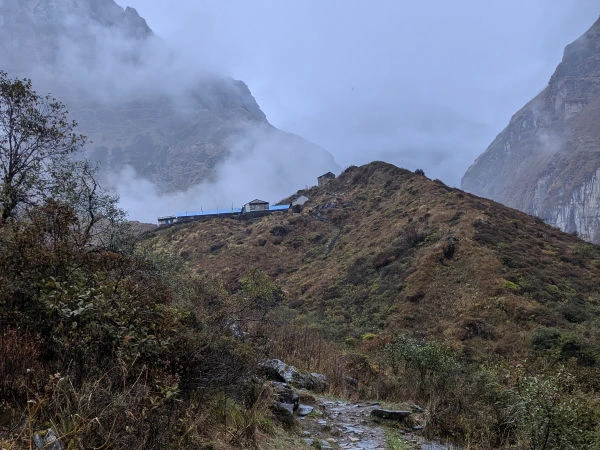
The trek to Mera Peak is an adventure, offering much more than just the climb. As you travel through beautiful valleys and dense forests, you encounter Sherpa villages where you experience the local culture and hospitality. Along the way, you can enjoy the incredible views of some of the tallest mountains in the world, like Mount Everest, Lhotse, and Makalu.
Overview of Mera Peak: Height, Location, History, and Difficulty Level
Situated at an elevation of 6,476 meters (21,247 feet), Mera Peak is one of Nepal’s tallest trekking peaks, where adventure seekers from around the globe make their summit attempt. The major attraction of this summit is the incredible elevation, rewarding with a thrilling experience of high-altitude mountaineering for those who are new to climbing in tough conditions. Reaching the summit, you are offered eye-catching panoramic views of towering peaks, including Everest, Lhotse, and Makalu.
Tucked into the wild beauty of eastern Nepal, Mera Peak lies within the Makalu-Barun National Park, one of the most remote and scenic corners of the Himalayas. This region is renowned for its stunning natural beauty, green forests, impressive glaciers, and snow-capped peaks. From the gateway town of Lukla, which serves as the starting point for many treks in the Everest region, and takes you into the heart of the Himalayas.
A team led by Col. Jimmy Roberts in 1953 became the first who successfully reach Mera Peak’s summit, making it a huge milestone in Nepalese mountaineering history. Since then, Mera Peak has to climbed by many climbers and has become one of Nepal’s most popular and easily accessible climbing peaks. Because of accessible routes and easier conditions compared to other peaks, Mera Peak started to draw the attention of many climbers, wanting to experience high-altitude mountaineering without needing expert skills. Located in the Everest region, Mera Peak is a perfect spot to witness the mesmerizing views of the world’s highest mountains and an ideal spot for climbers.
Though Mera Peak is known to be a moderately challenging climb, climbing this peak does not require any advanced technical skills, prior climbing experience; however, climbers should make sure they have good physical fitness and some basic mountaineering techniques. As the climb involves passing through varied terrain and using basic climbing equipment, it makes it a suitable spot for both beginners and experienced trekkers.
Who can climb Mera Peak, and what physical fitness and experience are necessary to reach its summit?
Mera Peak is suitable for a wide range of climbers, from beginners who love adventure to seasoned mountaineers. Although Mera Peak is one of Nepal’s highest trekking peaks, you don’t need advanced technical climbing skills, making it accessible to climbers with basic mountaineering skills. However, climbers need to be physically fit and mentally prepared to face the challenges of high-altitude trekking and climbing.
Climbers with proper physical fitness can easily climb the peak, as it involves several days of trekking at high altitudes, which can be physically as well as mentally challenging for climbers. Having prior trekking experience with long treks at higher altitudes can be a positive point for climbers, as it can help them navigate through the thinner air. Climbers must have some knowledge about using crampons, ice axes, and ropes; however, if they are unaware of them, our Sherpa guides will help them throughout the journey.
For those chasing a real Himalayan summit without extreme risk, Mera Peak is the perfect choice, with challenging routes to breathtaking mountain views. With proper training, acclimatization, and support from the expert guides, many trekkers with some prior trekking experience can reach the top.
Best Time to Climb Mera Peak
The best time to climb Mera Peak is during the pre-monsoon (Spring) and post-monsoon (Autumn) seasons.
Spring season (March to May)
Spring, ranging from March to May, is considered to be one of the most popular times for the Mera Peak Climb. During this time, the weather is predictable, with clear skies offering jaw-dropping views of the towering mountains and moderate temperatures. Traversing the routes at the time of spring treats you with well-maintained trail conditions, surrounded by blooming rhododendron forests and spectacular views of the Himalayas.
Autumn season (September to November)
The months from September to November are known to be the most ideal time to attempt the Mera Peak, as these months lie under the autumn season. This time offers you clear visibility and dry conditions, where the views of the landscapes are just amazing. The skies are crystal clear, offering excellent views of Everest, Lhotse, Makalu, and other nearby peaks. Autumn is considered the peak time for trekking and climbing in Nepal.
Summer and Winter seasons
For the Mera Peak Climb, summer and winter seasons are mostly avoided due to heavy rainfall, slippery trail conditions, and poor visibility obstruct the views of the nearby mountains. Attempting the summit at this time is less favorable because of challenging trail conditions. Climbing in the time of winter is risky due to extreme cold, heavy snowfall blocking the routes, and delaying the summit attempt due to unfavorable weather conditions. During these seasons, most of the teahouses are closed, which can create a huge impact on your journey.
Permits and Regulations for the Mera Peak Climb
Climbing Mera Peak requires obtaining several permits to ensure climbers' safety, conservation, and proper regulation throughout the journey. Below are some of the essential permits to be obtained for the Mera Peak Climb.
Mera Peak Climbing Permit
The Mera Peak Climbing Permit can be obtained through a registered trekking agency from the Nepal Mountaineering Association: Welcome - Nepal (NMA), and is mandatory for every climber who wants to climb Mera Peak. The Mera Peak Climbing Permit gives climbers the official permission to attempt the summit and ensures that they follow all the guidelines.
Mera Peak Climbing Permit Fees
- USD 250 per person (Spring)
- USD 125 per person (Autumn)
- USD 70 per person (Winter)
- USD 70 per person (Summer)
Makalu Barun National Park Entry Permit
The Makalu Barun National Park Entry Permit is required for trekkers and climbers, as the route passes through the Makalu Barun region. The main objective of this permit is to help support the conservation of the peak’s natural environment and the wildlife. All these permits must be obtained through a registered trekking agency.
Makalu Barun National Park Entry Permit Fees
- NRP 3,000 per person for Foreigners
- NRP 1,500 per person for SAARC Nationals
- NRP 100 per person for Nepali Citizens
- Below 10 years are free
Sagarmatha National Park Entry Permit
The Sagarmatha National Park Entry Permit is required for those trekking to Mera Peak through the Everest region. The National Park permit allows climbers to enter the protected area of Sagarmatha National Park, which is home to diverse wildlife and stunning mountain scenery. The permit supports conservation efforts and must be obtained through a registered trekking agency.
Sagarmatha National Park Entry Permit Fees
- NRP 3,000 per person for Foreigners
- NRP 1,500 per person for SAARC Nationals
- NRP 100 for Nepali Citizens
- Below 10 years free
Acclimatization Tips for High Altitude Success
Proper acclimatization is one of the most crucial parts of a successful Mera Peak climb. This helps your body adjust to the high altitudes, as it is important while ascending towards elevated altitudes, where the air gets thinner. During the attempt, there are rest days provided on the itinerary to help reduce the chances of altitude sickness.
Staying hydrated, eating energy-rich foods, and avoiding alcohol and smoking are also essential parts to help for a hassle-free journey. Watch for symptoms like headaches, dizziness, or nausea, which could be symptoms of altitude sickness. During such situations, take proper rest or descend immediately in case the situation worsens.
Climbers may also use medications such as Diamox to reduce the chances of altitude sickness, but these must be taken under a doctor’s advice. Monitor your health and maintain your walking pace of walk to stay healthy and increase your chances of summiting.
Food and Accommodation on the Mera Peak Trek
Food and accommodation on the Mera Peak trek are basic and comfortable enough to keep you energized and provide proper rest after a full day of hiking. As you reach a lower elevation, teahouses offer a wide range of meals like Dal Bhat, noodles, soups, or sometimes pasta and pancakes. However, as you gain altitude, meal options get simpler but warm and filling, perfect for cold mountain weather.
Similarly, accommodation is mostly provided in basic facilities of teahouses with shared rooms and dining areas at lower elevations, whereas tented camps are at higher elevations. The rooms are simple, with twin beds and thick blankets; however, carrying sleeping bags and pads can help you provide extra warmth at night. Tented camps are managed by the team crew members, where meals and camp setup are done by them. Staying at a tented campsite offers a rewarding mountain experience.
Common Challenges on Mera Peak and How to Overcome Them
Climbing Mera Peak includes several challenges, but embarking with proper preparation and gear can help you for a hassle-free experience. The most common issues faced by climbers are altitude sickness, which mostly occurs as you reach over 6,000 meters. To prevent this, it is important to acclimatize properly, stay hydrated, and monitor your health. Planning and following a well-prepared itinerary can reduce the risk of altitude sickness.
Another challenge faced is the cold and unpredictable weather. During the ascent, temperatures can drop significantly, especially at night or near the summit. Make sure to wear layered clothes, pack warm clothes, and use high-quality gear for a better and successful ascent. Physical fitness is also crucial, as the climb is long and demanding at times; therefore, regular cardio and strength training before the trip can make a huge difference to your journey.
What to Expect During the Summit
Submitting to Mera Peak can be challenging yet thrilling for everyone. On the day of the summit attempt, you begin your trek early morning, around 2 to 3 AM, as during this time you can take advantage of stable morning weather and fewer crowds along the way. Most of the climbers begin their climb in the night with headlamps, ropes, crampons, and an ice axe to slowly ascend through the glaciers.
As you elevate higher to the summit, the air gets thinner, making each step of the trail challenging, but the views upon reaching the summit are worth the visit. As the sun rises over the Himalayan peaks, you can witness the impressive views of Everest, Lhotse, Makalu, and other nearby towering peaks. Compared to other climbing peaks in Nepal, the Mera Peak Climb is not highly technical and risky, but it requires proper fitness levels, mental focus, and determination to overcome the challenges and freezing temperatures at the top. As you reach the summit, you are rewarded with jaw-dropping views of the surrounding Himalayas and other snow-covered peaks from a distance, making your Peak Climb journey worth the visit as well as a sense of achievement.
Conclusion
Ascending Mera Peak presents an exhilarating yet attainable high-altitude adventure for trekkers looking to experience the raw beauty of the Himalayas. Towering at 6,476 meters, it offers sweeping panoramic views of the world’s highest mountains, including Everest and Makalu. While not highly technical, the climb requires proper fitness, basic mountaineering skills, and proper acclimatisation.
The expedition offers a perfect mix of cultural immersion in remote Sherpa villages with the physical demands of traversing glaciers and freezing temperatures at the top of the summit. With proper preparation and the right support team, Mera Peak is a rewarding adventure for those seeking their first Himalayan summit experience.