Mount Kailash Mansarovar Tour

Mount Kailash Mansarovar Tour

31 reviews in Trip Advisor
11 reviews in Google Reviews
Recommended by 99% of travelers
Duration
14 Days
Country
Tibet

The Mount Kailash Mansarovar Tour is a once-in-a-lifetime pilgrimage that takes you to the heart of Tibet and the world’s most sacred pilgrimage sites. This tour combines breathtaking landscapes, spiritual awakening, and physical challenge, making it a truly transformative experience for anyone. 

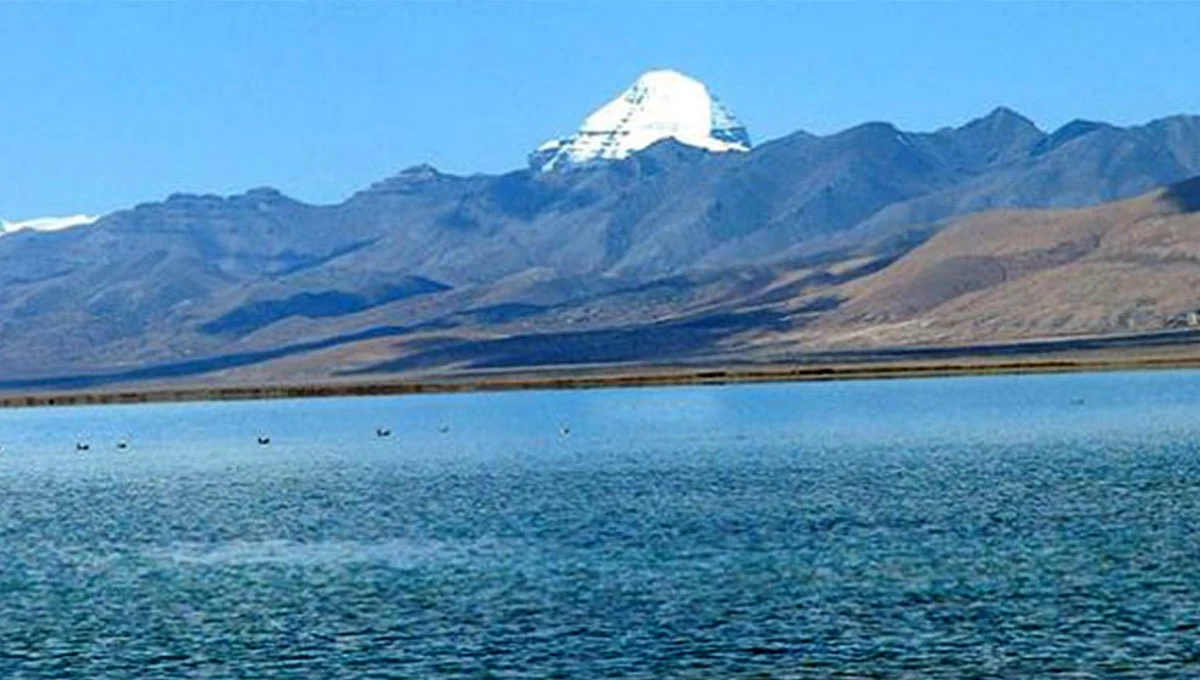
The tour begins in Kathmandu, where you will travel to Tibet, navigating through fantastic views of the Himalayas and the awe-inspiring landscapes. The tour takes you to Mansarovar Lake, a serene and sacred lake situated at the base of Mount Kailash. As per many pilgrims, it is believed that taking a dip in the holy lake brings spiritual purification and blessings. 

Standing at 6,638 meters, Mount Kailash is known to be one of the important pilgrimage sites for Hindus, Buddhists, Jains, and Bonpo worshippers as the center of the universe. Circumambulating (Parikrama) the mountain is a significant spiritual ritual for many, believed to erase sins and bring spiritual liberation. Parikrama around the mountain is physically demanding, especially when you reach the Drolma La Pass at over 5,600 meters; however, the journey is rewarding, both mentally and spiritually. 

During the Kailash Mansarovar Tour, you will pass through towns like Saga, Paryang, and Darchen, where you get to experience the special culture and warm hospitality of Tibet. The journey presents breathtaking views of rugged landscapes, including wide plateaus, snow-covered ridges, and ancient monasteries, giving you a chance to fully engage with the spiritual and natural beauty of the region. 

Accommodation on the tour is simple, ranging from simple hotels to campsites set up in the remote areas. The high-altitude surroundings require proper acclimatization, and it is necessary to prepare yourself physically for the demanding trek, especially during the Kailash Parikrama.

The meals during the Mount Kailash Mansarovar Tour are basic, consisting of Tibetan and Chinese cuisines, designed to accommodate the high-altitude and remote locations. While the meals may not be luxurious, they are nutritious and prepared to keep you energized throughout the journey. 

The Mount Kailash Mansarovar Tour is not just a physical adventure, but a spiritual journey for anyone. Whether you are looking for inner transformation, spiritual development, or a connection to one of the most sacred places on Earth, this tour provides an experience like no other destination can. This Mount Kailash Mansarovar Tour provides more than just a trip, as it is a perfect chance for spiritual healing and a transformative journey that will last a lifetime. 

Important Highlights of Mount Kailash Mansarovar Tour  

  • Experience a sacred pilgrimage to one of the holiest sites in Hinduism, Buddhism, Jainism, and Bon. 
  • Enjoy stunning views of snow-capped peaks, expansive plateaus, and peaceful lakes. 
  • Immerse yourself in the rich Tibetan culture, explore ancient monasteries, and interact with the local people. 
  • Embark on a challenging journey around Mount Kailash, a sacred pilgrimage that is believed to bring divine blessings. 
  • Visit the peaceful and holy Mansarovar Lake, which is believed to purify the soul. 
  • Push your limits with a physically demanding journey through high-altitude landscapes.
  • Get a life-changing experience for personal growth, spiritual healing, and finding peace within. 
  • Explore remote locations like Saga, Paryang, and Darchen for a better sense of adventure. 
  • Stay in simple hotels and camps, specially designed for a harsh environment.

Why are Mount Kailash and Lake Mansarovar considered sacred by so many religions?

Mount Kailash and Lake Mansarovar are considered holy sites for multiple religions because of their deep spiritual importance, symbolic connections, and ancient history. Below are some of the reasons why they are sacred places for many religions. 

Hinduism 

Mount Kailash is considered to be the divine residence of Lord Shiva, one of Hinduism’s most powerful gods. It is seen as the centre of the universe, where Shiva meditates and lives with his wife, Parvati. As per Hindus, circumambulating (parikrama) around the mountain can remove all your negative karma and bring the devotee closer to spiritual liberation (moksha). Similarly, Lake Mansarovar is believed to be a holy lake, where bathing in the holy water cleanses the soul. 

Buddhism

In Buddhism, Mount Kailash is a sacred site associated with Demchok, the god representing supreme joy and meditation. Kailash is considered the spiritual centre of the world, where the Tibetan Buddhists believe that circumambulation (parikrama) brings spiritual awakening. In the same way, Lake Mansarovar is equally important, often regarded as a symbol of purity in Tibetan Buddhism.

Jainism 

Mount Kailash holds a special place in Jainism, where it is referred to as Meru Parvat, a place where the first Tirthankara, Rishabhanatha, attained moksha. Similarly, Lake Mansarovar is known to be sacred in Jainism, where it symbolizes purity and divine energy. Pilgrims undertake the journey to these sites as part of their spiritual practice, seeking self-realization and liberation. 

Bon Religion

The Bon religion, older than Tibetan Buddhism, sees Mount Kailash as a holy center of the universe. In Bon tradition, Mount Kailash is the home of spiritual deities and is viewed as a place for sacred rituals and prayers. For Bonpo followers, Lake Mansarovar holds great significance, symbolizing purity and the balance of universal forces. 

What are the reasons people embark on the Mount Kailash Mansarovar Tour?

The Mount Kailash Mansarovar Tour is a life-changing journey for many spiritual seekers and adventure enthusiasts, as you will be reaching the remote Tibet region. Mount Kailash is considered one of the holiest mountains in the world, holding great significance in Hinduism, Buddhism, Jainism, and Bon. As per many pilgrims, it is believed that circumambulating (parikrama) the sacred mountain and bathing in the pristine water of Lake Mansarovar can purify the soul, cleanse sins, and bring spiritual enlightenment. 

The tour to Mount Kailash is not only a trip for spiritual growth but also a physical endurance test. The challenging high-altitude surroundings and rugged terrain of the Tibetan plateau make it an exhilarating adventure for those seeking to test their limits. Although this trek might be physically demanding, the journey offers stunning vistas of snow-capped mountains, open Tibetan landscapes, and a peaceful atmosphere. 

The Kailash Mansarovar Tour provides a great opportunity to experience Tibetan culture, where visitors embarking on the journey can witness ancient monasteries, interact with the local Tibetans of this region, along with a chance to experience the unique lifestyle of this region. The peaceful atmosphere of the area, combined with divine energy, provides a perfect setting for meditation and prayer. 

Overall, the reason people embark on the Mount Kailash Mansarovar Tour as they are motivated by spiritual fulfillment, adventure, and a chance to connect with nature, making it an ideal spot for anyone seeking an unforgettable and life-changing experience. 

What are the major attractions of the Mount Kailash Mansarovar Tour?

The Mount Kailash Mansarovar Tour is a spiritual and adventurous journey, where you explore some of the most sacred and incredible locations in Tibet. Below are some of the major attractions during this tour. 

Mount Kailash 

Mount Kailash is considered to be one of the most sacred and revered mountains in the world, situated in the Tibet Region of China. This place holds great significance in several religions, including Hinduism, Buddhism, Jainism, and Bon. Mount Kailash stands at an elevation of 6,638 meters (21,778 feet), which has never been climbed by anyone due to its religious significance. Therefore, instead of climbing, people perform Kailash Kora, a 52-kilometer trek around the base of the mountain. This mountain provides you with awe-inspiring views of the surrounding landscapes, where thousands of devotees each year travel, despite its remote location and difficult terrain. 

Kailash Kora

Kailash Kora is a 52-km sacred pilgrimage walk around Mount Kailash, which is known to be one of the world’s most holy mountains. According to Hindus, walking around the Kora purifies the soul and leads to spiritual liberation. The walk includes passing through rugged terrain, remote valleys, and sacred sites. Along the way, pilgrims stop at several shrines, caves, and monasteries, including Dirapuk and Zuthulphuk Monasteries. The Kailash Kora is physically challenging and a chance for spiritual reflection, where you can witness trekkers chanting mantras and praying throughout the journey. 

Chiu Monastery 

Chiu Monastery is situated on the western shore of Mansarovar Lake, offering stunning panoramic views of the lake and the snow-capped peaks of Mount Kailash. It is a small Tibetan Buddhist shrine with great spiritual significance in the Buddhist religion, attracting increasing numbers of pilgrims. The monastery provides a peaceful atmosphere, making it a perfect spot for contemplation and meditation. 

Lake Mansarovar 

Lake Mansarovar is a sacred freshwater lake, situated at the foot of Mount Kailash in Tibet. This lake holds immense significance in Hinduism, Buddhism, Jainism, and Bon, where it is believed that bathing in this holy lake can cleanse the wrongdoings and bring spiritual liberation. The Mansarovar Lake is surrounded by stunning natural beauty, with snow-capped mountains that reflect on its surface. This lake is considered to be one of the highest-altitude lakes in the world, nestled at an altitude of 4,590 meters. 

Rakshas Tal

Rakshas Tal, also called the “ Lake of Demons,” is a saltwater lake situated near Mansarovar Lake. In comparison to the divine lakes and rivers in the region, Rakshas Tal is claimed in Hindu tales to be the lake where Demon King Ravana used to meditate for strength. Rakshas Tal is known to be inauspicious for some, but it is still an important part of the Kailash Mansarovar pilgrimage, often visited for its impressive beauty and spiritual significance. 

Darchen 

Situated on the southern part of Mount Kailash, Darchen is a small town yet a picturesque area which serves as a gateway for people doing the Kailash Kora. Although Darchen is small and in a remote location, it still provides basic facilities of accommodations, food, and porters to assist you during the trek. 

Dirapuk Monastery 

The Dirapuk Monastery, situated at the base of Mount Kailash, provides you with the most breathtaking views of the sacred mountains. This monastery is one of the major stops during the Kailash Kora trek, as reaching this place includes passing through rugged terrain, steep and rocky sections, making the trek a bit challenging. Along the route, you are offered mesmerizing views of the Himalayan landscapes and a spiritual atmosphere, where you create an unforgettable experience. 

Drolma La Pass 

Drolma La Pass, located at 5,630 meters, is considered the highest point on the Kailash Kora trek, which is the most challenging section of the tour. Crossing the Drolma La Pass includes passing through rugged terrain, uneven trail sections, and rocky conditions, which is physically and mentally tiring. Reaching the pass, you can witness several prayer flags, with impressive views of the surrounding snow-capped peaks and valleys. 

Mount Kailash Mansarovar Tour Itinerary

Expand All

On the first day of the Mount Kailash Mansarovar tour, you will begin your journey with a scenic drive from Kathmandu to Nyalam, taking approximately 6-7 hours, covering a total distance of 150 kilometers. Taking a drive from Kathmandu to Nyalam, passing through winding mountain roads, stunning landscapes, crossing lush valleys, picturesque rivers, and rocky terrain, while enjoying the dazzling views of the surrounding landscapes. During the approach to Nyalama, you can experience a gradual change in the landscape from green hills of Nepal to the rugged high-altitude Tibetan plateau. Arriving at Nyalam, a small picturesque Tibetan village situated in the mountains, offers you a perfect spot to relax and adjust to the higher surroundings. 

Max Altitude: 3,750 m (12,304 ft)Meals: breakfast, lunch, and dinnerAccommodation: Hotel

On Day 02, you will be provided with an extra rest day to acclimatize and adjust to the higher altitude. This day is crucial as you will have a significant change in altitude from Kathmandu (1,400 m) to Nyalam (3,750 m), allowing your body time to adjust and prevent altitude sickness. Take a short walk around Nyalam, as this place rewards you with breathtaking views of the surrounding mountains and valleys, where you can enjoy the serene landscapes. Take some time to explore the local Tibetan culture and interact with the locals of the area, as it helps to enhance your experience. Nyalam provides you with a peaceful atmosphere, offering a perfect opportunity to relax and adjust to the higher surroundings. After exploring Nyalam, get back to your hotel, where you can relax and prepare for the next phase of your journey. 

Meals: breakfast, lunch, and dinnerAccommodation: Hotel

Today, you will be taking a long drive from Nyalam to Saga, situated at an elevation of 4,640 meters. The journey takes about 8-9 hours, depending on the road conditions, and covers a distance of about 230 kilometers, where you pass through the Tibetan plateau, experiencing the stunning views of the snow-capped mountains and wide-open valleys along the way. As you near Saga, you can witness a gradual shift in the terrain from rugged hills to expansive plains, where you navigate through small Tibetan villages and cross over several picturesque rivers and high mountain passes. Along the way, you can experience the remote Tibetan way of life, where you see grazing yak herds. Upon arriving in Saga, a small, picturesque town in Tibet, known for its peaceful atmosphere, and a perfect place to rest and acclimatize to the altitude. 

Max Altitude: 4,640 m (15,224 ft)Meals: breakfast, lunch, and dinnerAccommodation: Campsite

On Day 04, you will continue your drive from Saga to Paryang, taking about 7-8 hours, covering a distance of 250 kilometers. As you leave Saga, the route includes passing through rugged Tibetan landscapes, with open lands, and mesmerizing views of mountain ranges from a distance. Along the way, you get a chance to witness the Tibetan wildlife, where you see yaks and grazing animals, offering you memories to be remembered for a lifetime. You will be passing through several picturesque rivers and high-altitude plains, along with small Tibetan villages and old monasteries, providing you with a touch of the local culture of this area. Reaching Paryang, a small Tibetan settlement village located in a beautiful and peaceful environment, where you can rest and acclimatize to the higher altitude. Paryung offers a comfortable stay, where you are accommodated in tented campsites. 

Max Altitude: 4,751 m (15,588 ft)Meals: breakfast, lunch, and dinnerAccommodation: Campsite

On Day 05, you will travel from Saga to Mayum, where you navigate through rugged high-altitude terrain, offering fantastic views of the surrounding landscapes. Along the way, you will pass through remote Tibetan regions and small, picturesque settlement areas. The drive takes you to vast open areas, where you can witness snow-capped mountains, and some close views of the Himalayas. The road includes a mix of paved and unpaved sections, which can be challenging at times due to rocky sections and bumpy conditions. Arriving in Mayam La Pass is a critical part of the journey, where you are rewarded with breathtaking views of the surrounding mountain ranges. You can experience a sudden decrease in the oxygen levels, where you are accommodated in a tented camp with a peaceful and stunning atmosphere. This day is truly a journey for adventurous travelers, where you can experience the beauty of the Tibetan Plateau.

Max Altitude: 5,152 m (16,903 ft)Meals: breakfast, lunch, and dinnerAccommodation: Campsite

Traveling from Mayum La Pass to Mansarovar Lake includes a mix of paved and gravel paths, where the route becomes more rugged as you approach Mansarovar. The route navigates through narrow winding roads, where you are rewarded with awe-inspiring views of the natural landscapes. Along the way, you can see some of the highest mountain ranges of the Tibetan plateau, along with snow-capped peaks and some glimpses of the Karakoram Range from a distance. As you get closer to Mansarovar, the landscape changes into an open, wide area, where you see herds of yaks and sheep grazing. Upon reaching Mansarovar Lake, you get a chance to witness the most sacred and beautiful lakes in the world, as this lake is surrounded by snow-capped mountains and considered one of the holiest lakes by Hindus, Buddhists, and Jains. Arriving at the Mansarovar, you will be accommodated in a camp to spend the night, along with preparing yourself for cold temperatures.

Max Altitude: 4,590 m (15,060 ft)Meals: breakfast, lunch, and dinnerAccommodation: Campsite

On Day 07, you will be exploring the sacred Mansarovar Lake in the morning, where you will enjoy the serene beauty and engage in the spiritual rituals with pilgrims. After performing all the necessary rituals, you will be taking a drive from Mansarovar to Darchen, where you navigate through rugged terrain, picturesque landscapes, and some mesmerizing glimpses of Mount Kailash. Along the way, you can witness open landscapes with small Tibetan settlement areas and grazing herds of yaks. The stunning views of rivers and streams make your journey more awe-inspiring. As you reach Darchen, a small Tibetan settlement area that serves as the base for those undertaking the Kailash Parikrama. This place includes basic facilities, as people from various parts of the world come here to begin their sacred trek around Kailash. Acclimatize and adjust yourself to the higher altitude, and prepare for the Kailash Parikrama. 

Max Altitude: 4,560 m (14,961 ft)Meals: breakfast, lunch, and dinnerAccommodation: Guest house

This day is crucial for you as you will begin your trek from Darchen to Dirapuk. Today’s trek can be challenging due to its high altitude, rugged terrain, uneven trail conditions, and the cold climate as you elevate. The trekking route is 52 km long and takes 3 days to complete, where you pass through some high-altitude crossings. You will begin your initial section of the trek with a gradual ascent, where you pass through the Lha-Chu valley, navigating through rocky terrain and small streams. Along the way, you get the close-up views of the majestic Mount Kailash and several small Tibetan shrines and mani walls. Approaching Dirapuk, you will be facilitated with tented campsites, enjoying the dazzling views of Mount Kailash and the surrounding natural beauty. Dirapuk serves as a perfect place to acclimatize and prepare for the next day’s journey

Max Altitude: 4,890 m (16,044 ft)Meals: breakfast, lunch, and dinnerAccommodation: Campsite

Day 09 can be a demanding part of this journey, as you will be passing through the highest point of the trek, Drolma La Pass, standing at an elevation of 5,630 meters. This day is known to be the most challenging part, as this section includes a high-altitude pass, steep ascents, and rugged terrain. After an early morning breakfast from Dirapuk, you start your trek, passing through rocky terrain, where the air is usually thin as you elevate higher. As you near Drolma La Pass, you will witness several prayer flags and stones, along with awe-inspiring vistas of the surrounding area. 

The Drolma La Pass is often considered a crucial stop to pray and reflect on the journey, where you take some time to rest and enjoy the fantastic views of the surrounding peaks and valleys. Then, you begin your descent towards Zuthulpuk, where you pass through steep terrain and rocky paths. Along the way, you can see the breathtaking views of the surrounding mountains and valleys. Reaching Zuthulpuk, a small campsite area located near a river, where you can witness the mesmerizing views of Mount Kailash from a distance. Zuthulpuk serves as a perfect place with a peaceful atmosphere, where you can relax and adjust to the higher altitude. 

Max Altitude: 4,790 m (15,716 ft)Meals: breakfast, lunch, and dinnerAccommodation: Campsite

On Day 10, you will be trekking from Zuthulpuk to complete the Kailash Kora and taking a drive back to Mansarovar from Darchen. In the morning, you will explore the Tibetan shrines, mani walls, and prayer flags, providing you with a glimpse into the traditional Tibetan culture. Along the way, you can witness pilgrims performing their rituals and chanting mantras. As you trek from Zuthulpuk to Darchen, you will be rewarded with the spectacular views of Mount Kailash, the holiest peak in the world. Once you reach the finishing point, you will be taking a drive from Darchen to Mansarovar, passing through small Tibetan settlement areas, ancient monasteries, temples, and other religious sites. 

Max Altitude: 4,590 m (15,060 ft)Meals: breakfast, lunch, and dinnerAccommodation: Campsite

After completing your Kailash Kora trek and spending some time at Mansarovar, you will drive towards Paryang, a small town located on the border of Tibet and Nepal. You will pass through the Tibetan Plateau's rugged high-altitude landscapes, small settlement areas with twisting roads that wind across open plains. Along the way, you can witness spectacular views of the surrounding mountains and snow-capped peaks from a distance. You can encounter some unique species of wildlife, such as Tibetan antelopes, wild donkeys, and a variety of species of birds. As you arrive in Paryang, a small town located near the Sutlej River, you can enjoy the peaceful and tranquil environment of the remote town. From Paryang, you can witness some dazzling mountain views from a distance. 

Max Altitude: 4,751 m (15,588 ft)Meals: breakfast, lunch, and dinnerAccommodation: Campsite

You will be starting your journey from Paryang to Saga, where you navigate through dramatic Tibetan landscapes, rugged mountains, open plains, and desert-like areas. Making your drive from Paryang to Saga usually takes around 7 to 8 hours, where you pass high-altitude terrain, remote landscapes, and rough road conditions. Reaching Saga, a small, picturesque town serving as a perfect spot to rest and enjoy the stunning Tibetan landscapes. In the evening, explore the nearby areas, including Tibetan monasteries and local markets. Interact with the locals of the area, as the people are mostly known for their warm hospitality. 

Max Altitude: 4,640 m (15,224 ft)Meals: breakfast, lunch, and dinnerAccommodation: Camps

Today, you will be traveling from Saga to Nyalam, a town situated on the Tibetan Plateau, offering you dramatic views of stunning mountains and valleys. The road from Saga to Nyalam includes a mix of paved and unpaved roads, where you pass through rugged mountain terrain. Along the way, you are offered the impressive beauty of the remote region and mesmerizing views of the Himalayas from a distance. You need to cross some high-altitude lakes and drive alongside rivers, adding to the beauty and serenity of the landscape. Arriving in Nyalam, a small town located on the border between Tibet and Nepal, offers you basic amenities and awe-inspiring views of the nearby mountains and traditional Tibetan architecture. In the evening, take a short walk in Nyalam and get the experience of local Tibetan culture. 

Max Altitude: 3,750 m (12,304 ft)Meals: breakfast, lunch, and dinnerAccommodation: Hotel

Today is the end of your Mount Kailash Mansarovar Tour, as you will be traveling from Nyalam to Kathmandu, where you will reach Nepal. The drive from Nyalam to Kathmandu is long and scenic, as you descend through the Himalayas, where you experience a gradual change in the landscape from the Tibetan plateau to the lush and lower altitudes of Nepal. As you reach the Tibet-Nepal Border, you need to present your permits and identification at the checkpoint. Once you have completed the formalities, you will continue your journey into Nepal. As you enter Nepal, you will pass through mountain villages and small towns, offering you incredible views of the Nepali Himalayas. Along the way, your route follows alongside the Bhotekoshi River. The roads in Nepal can be winding and narrow, with some paved and unmanaged sections. After traveling for about 6 to 7 hours, passing through the mountains, you will arrive in Kathmandu. You will check into your hotel, where you will relax and freshen up after the long journey.

Max Altitude: 1,400 m (4,567 ft)Meals: breakfast and lunchAccommodation: Hotel
Let us help You Plan Your Perfect Holiday
Looking for a customized trip? Let us know your estimated holiday time, budget, travel style, etc. We will design an amazing personalized itinerary for you.

Cost Details

Includes

  • Pickup and Drop to and from Tribhuvan International Airport (TIA) to your hotel in Kathmandu. 
  • 4-night accommodation at the hotel during the tour.
  • 9-day accommodation at a tented camp during the tour.
  • 1-day accommodation in Darchen at a Guesthouse. 
  • Licensed English-speaking Tour guide for Nepal and Tibet.
  • Entry permits and Fees for all temples, cultural and historical sites, and monasteries.
  • All ground transportation from Nepal to Tibet is in a tourist bus.
  • Required permits for Tibet travel, including Parikrama of Kailash and Mansarovar. 
  • English-speaking local Tibetan Guides while in Tibet. 
  • Tibet Travel Permit and Chinese Group Visa.
  • Sleeping bag and Pads during the stay at the tented camps. 
  • Includes major meals (breakfast, lunch, and dinner) during the Mount Kailash journey 
  • Duffle Bag
  • Farewell Dinner

Excludes

  • Nepal Entry Visa Fees
  • International Flight ticket to and from Nepal
  • Major meals (lunch and dinner) in Kathmandu
  • Travel insurance (for loss of luggage, flight delays, trip cancellation, emergency rescue, and evacuation expenses)
  • Personal Expenses 
  • Tips for Guides, Porters, Drivers, and Team Staff
  • Any additional cost due to natural calamity, rescue, political unrest,
  • or unforeseen circumstances.

Essential Information

Itinerary Disclaimer 

Please note that the itinerary for the Mount Kailash Mansarovar Tour is subject to change due to various factors related to harsh weather conditions, conditions of the road, government regulations, or unforeseen circumstances. The itinerary provided to you includes high-altitude treks with high chances of altitude sickness and rough terrain, making the journey challenging. However, our team tries its best to ensure a smooth journey. Make sure to keep an open mind, be patient, and prepare yourself for the physically challenging adventure. Our team strongly recommends getting insured with travel insurance, taking along necessary medications, and paying attention to personal health and safety during the entire trip. High Camp Adventure mainly focuses on the safety and comfort of the traveler, as it is our main priority. 

Packing Essentials 

Embarking on the Mount Kailash Mansarovar Tour is a truly spiritual and demanding journey, with the sacred Mount Kailash being one of the most revered peaks in the world. Here is a packing list, which can be useful during the Kailash Mansarovar Tour. 

Clothing 

  • Base Layers (moisture-wicking thermal for both top and bottom)
  • Insulating layers (fleece jacket or down jacket for warmth)
  • Outer layer (waterproof and windproof jacket and pants)
  • Warm Hat
  • Gloves (waterproof for both cold and wet conditions)
  • Neck Gaiters and Scarf (to protect against dust and cold winds)
  • Hiking Clothes (comfortable and quick-drying pants and shirts)
  • Lightweight Down jacket for extra warmth

Footwear 

  • Hiking Boots (sturdy and waterproof with good ankle support)
  • 4-5 pairs of Comfortable Socks (moisture-wicking wool socks)
  • Lightweight sandals (while exploring nearby areas)

Accessories 

  • Sunglasses (protection against UV rays)
  • Sunscreen (with SPF 50)
  • Camera (lightweight with extra memory)
  • Headlamp (especially used while traveling at night)
  • Trekking Poles (easily adjustable)

Personal Items 

  • Toiletries (toothbrush, toothpaste, wet wipes, hand sanitizer, and biodegradable soap)
  • Water purification tablets 
  • High-energy protein bars, dried fruits
  • First Aid Kit (includes personal medications, altitude sickness tablets, pain relievers)
  • Water bottle 
  • Passport and Travel Documents
  • Power Bank
  • Towel (quick-dry for the journey)
  • Multi-tool knife 

Transportation for Mount Kailash Mansarovar Tour

Transportation will be one of the more challenging aspects of traveling to Mount Kailash Mansarovar. The transportation for this tour includes a tourist bus as you will be passing through bumpy, rocky, and some demanding road sections. The journey often involves long drives, with travel times of 8-10 hours on some days. The road can be challenging, so be well-prepared for an uncomfortable ride, especially as you elevate higher. 

Accommodation for Mount Kailash Mansarovar Tour 

During the Mount Kailash Mansarovar Tour, accommodations and meals provided are basic because of the remote locations of this region. Accommodation for this tour usually includes simple guesthouses and tented campsites. The guesthouses may have basic facilities, of bedrooms, shared bathrooms, where the primary focus is on providing a safe place to rest during the journey. In remote areas, especially during the trek around Mount Kailash, you are provided with tented campsites, where there is limited access to hot water, electricity, and Wi-Fi. 

Meals for Mount Kailash Mansarovar Tour 

Meals are typically simple, where you are offered vegetarian food, including rice, Dal (lentils), vegetable curry, and bread. All the meals provided are prepared using locally available ingredients, and the food can be more basic and simple. Due to long drives and limited food options on the route, bring some packaged snacks. In major towns, you may have the chance to try local Tibetan or Nepali dishes, such as MoMo or Thukpa. 

Permits and Documents 

For your Mount Kailash and Mansarovar Tour, obtaining the proper permits and documentation is crucial for a safe experience in the Himalayas. Below are the necessary permits to be obtained for this tour. 

Tibet Travel Permit

Since Mount Kailash and Lake Mansarovar are situated in Tibet, travelers need to obtain the Tibet Travel Permit. This permit can easily be arranged through a registered agency, as the Tibet Travel Permit is essential for all foreign nationals to enter Tibet. You cannot obtain this permit individually, as this must be obtained through an agency only. The travel permit allows travelers to explore within Tibet and visit some restricted areas like Mount Kailash and Lake Mansarovar. The permit usually costs between USD 50 to USD 100, depending on your nationality. 

Chinese Visa

To do the Mount Kailash Mansarovar tour, you require the Tibet Travel permit along with the Chinese Visa, as this visa helps you to enter China. The Chinese Visa can easily be arranged through a registered agency, as they assist you with all the permits and paperwork required to obtain the visa. Obtaining a Chinese Visa is a must for every traveler before the trip. The visa fees can vary depending on your nationality. 

Best Time for Mount Kailash Mansarovar Tour 

The best time to visit Mount Kailash and Mansarovar is during the Spring (May to June) and Autumn (September to October). During this time, you are offered favorable weather and the best conditions to embark on this tour. 

Spring (March to May) and Summer (June to August)

Traveling to Mount Kailash and Lake Mansarovar during the time of Spring (March to May) and Summer (June to August) offers you moderate temperatures, with nights being cold, especially in high-altitude areas. This time is much more manageable compared to the winter and summer seasons, as during this time, most pilgrims and travelers visit the sacred Mount Kailash and Mansarovar because of more accessible roads and clear skies. At the time of Spring and Summer, you can find more accommodation, food options, and great services, as these months are the most favorable time to visit Mount Kailash and Lake Mansarovar. 

Autumn (September)

During the time of Autumn (September), the weather is predictable and favorable with mild temperatures compared to the winter months. Autumn offers you temperatures that are perfect during the day for outdoor activities, and at night, it is colder. This time offers you clear skies and crisp air, where you can witness the incredible landscape around Mount Kailash even more breathtaking. Autumn rewards you with fewer crowds, more tranquil experiences with pleasant weather, making it a fantastic season for visiting Mount Kailash and Mansarovar. 

Winter (October to April)

The winter month is not a favorable time to visit Mount Kailash and Lake Mansarovar. During this time, the weather is very harsh with freezing temperatures, heavy snowfall blocking the road. This time is not a recommended month to travel, because of unfavorable conditions and accommodations being closed or unavailable as you ascend. There might be a sudden decrease in the temperatures, especially at high altitudes like Mount Kailash, making this time challenging. 

Travel Tips for Mount Kailash Mansarovar Tour

Here are some essential travel tips for the Mount Kailash Mansarovar tour to ensure a safe and smooth journey. 

Altitude Sickness

Due to the high altitudes of the region, altitude sickness is a major concern during the Mount Kailash Mansarovar Tour. This tour includes reaching high-altitude spots, such as Mount Kailash and Mansarovar Lake, and passing through the Drolma La Pass, where travelers can experience altitude sickness. Here are some symptoms and preventive measures during the Mount Kailash Mansarovar Tour. 

  • Symptoms: headache, dizziness, fatigue, nausea, loss of appetite, trouble sleeping, rapid increase in heartbeat, swelling of hands and legs, chest tightness, vomiting, shortness of breath. 
  • Preventive Measures: ascend slowly, take proper rest, stay hydrated, avoid alcohol and smoking, eat light foods, take important medications, travel with an experienced Guide, monitor your health, inform your guide and team members in case of an emergency. 

Therefore, the key aspect of altitude sickness during the Mount Kailash Mansarovar tour is proper preparation, slow acclimatization, and listening to the signs and symptoms your body is sending. 

Physical Preparation

Mount Kailash and Lake Mansarovar are located at high altitudes, where there is are high chances of travelers having risks related to altitude sickness. Before you embark on the journey, spend some time at the lower altitudes. Since the Kailash Parikrama is a long and physically demanding trek, it is essential to do cardiovascular training. You will be walking for long hours on uneven and rocky terrain, where your body needs to be physically strong to handle the physical strain, especially on your legs and core. Start hiking on local trails and uneven surfaces with a backpack to simulate the load you will carry during the trek. 

Health and Safety

When traveling to high altitudes, staying hydrated is crucial; therefore, drink water frequently, even if you are not thirsty. Be careful of altitude sickness, as it causes headache, dizziness, nausea, and fatigue. If the symptoms get even worse, descend immediately and seek medical help. Before you start this tour, make sure to consult with a doctor and bring all the prescribed medicines. However, our team provides you with a First-Aid kit, as it can be used during emergencies. To prevent altitude sickness, ascend slowly and allow your body time to adjust to higher altitudes. 

Local Currency 

During your tour to Mount Kailash and Lake Mansarovar, make sure to use the local currency of this region. When traveling, it is important to be prepared with local currency, as credit cards are not widely accepted, especially in remote areas. In major cities, you can withdraw Chinese Yuan from ATMs, but there is only limited access to cash that will be available in remote locations. It is advisable to carry enough cash for the entire trip, as there are places where there is no facility for bank services. This will help ensure you have enough cash for other expenses during your trip. 

Communication

When traveling to remote areas, expect limited phone services, as there is a scarcity of mobile networks in most parts of the journey. Satellite phones may be available, but can be expensive to use, so it is crucial to be prepared for connectivity challenges and make sure to have a list of emergency contacts. 

Travel Insurance for Mount Kailash Mansarovar Tour 

Travel insurance is highly recommended for the Mount Kailash Mansarovar Tour, as you will be reaching remote areas, where medical assistance and emergency evacuation may be limited. Make sure the travel insurance covers unexpected situations like trip cancellations, medical emergencies, lost luggage, or travel delays. It is important to read all the policies and make sure what is included in the insurance. Having travel insurance can provide peace of mind, knowing you are protected in case of any unforeseen events during your journey. 

Mount Kailash Mansarovar Tour FAQs

The Mount Kailash Mansarovar Tour is considered a physically challenging journey, mainly due to the high-altitude environment and rugged terrain. However, travelers with proper physical preparation and acclimatization can easily complete this journey.

Mount Kailash is known to be one of the most sacred mountains in the world, as there are many beliefs according to different religions. For Hindus, it is believed to be the abode of Lord Shiva, for Buddhists, it is home to Demchok, and for Jains, it is regarded as the place where Rishabhdev attained nirvana. 

The duration of the Mount Kailash Mansarovar Tour usually takes around 13 to 14 days, depending on the route you take and the time needed to adjust to the higher altitudes. The journey includes traveling to Tibet, the Mansarovar lake, Kailash Parikrama, and other major sites of this region. 

The best time to visit Kailash Mansarovar is during the time from mid-April to September. However, the peak time is from April to June and September, as these months offer you proper visibility of the mountains along with accessible routes.

The Kailash Parikrama is a pilgrimage around Mount Kailash, which is about 52 kilometers long. Travelers take a walk around the mountain in a clockwise direction, which is believed to bring spiritual benefits. The Kailash Parikrama is usually done in 3 days, and can be challenging due to high altitudes and rough terrain. 

Yes, there are some health risks during the Mount Kailash Mansarovar tour. Due to high altitude, travelers can get risks related to altitude sickness, as it is common for anyone traveling to higher elevations. Therefore, it is important to acclimatize and stay hydrate

Yes, there are alternative routes for traveling to the holy Mount Kailash, depending on your itinerary provided to you. However, our team facilitates their clients with customizable itineraries based on their needs and preferences. The quickest route is to take a flight to Simikot from Kathmandu, then take a helicopter or road journey to Tibet through Hilsa. After crossing the border, you can travel by road to Mount Kailash and Lake Mansarovar. 

Accommodation and meals during the Mount Kailash Mansarovar tour are basic and simple. You can expect vegetarian meals, mainly Tibetan-style, and basic facilities of guesthouses and campsites, with limited amenities, especially during the trek. 

Before embarking on the Mount Kailash trek, make sure to pack trekking shoes, warm clothes, sunscreen, sunglasses, water bottles, a First-aid kit, sleeping bags, snacks, and all the required documents, including the permit. 

Yes, there are basic medical facilities available during the tour; however, our team provides you with a first-aid kit with the required medicines for the journey. In case of an emergency, helicopter evacuation is possible but may require some time because of the remote location. So, it is necessary to have travel insurance that covers emergency evacuation. 

No, it is not advisable to trek around Mount Kailash alone due to harsh conditions. Therefore, travelers are advised to join a registered agency, which helps manage all the logistics from transportation to permits. This helps to ensure safety, as you are provided with knowledgeable and licensed guides who are familiar with the route and local customs. 

Yes, to do the Mount Kailash Mansarovar tour, travelers must obtain a Chinese visa. If you are traveling through Nepal, you will need a Tibet Travel Permit for entry into Tibet, which can only be obtained through a licensed agency.  

Yes, the Mount Kailash Mansarovar tour is a spiritual pilgrimage with important rituals like the Kailash Parikrama, bathing in Lake Mansarovar for purification, and offering prayers at various sacred temples and monasteries. 

No, there is no internet access or reliable phone signal during the trek around Mount Kailash and Lake Mansarovar. The services may be limited, and some parts may have no access to communication. However, in main towns and cities, there are proper phone signals as well as internet connections. 

For the Mount Kailash Mansarovar tour, transportation is usually provided on a tourist bus, comfortable and well-maintained. While trekking around Mount Kailash, it is mostly done on foot because of no access to vehicles. For travelers who are unable to walk, there may be ponies or yaks available.

Yes, it is possible to take children or elderly people on the Kailash Mansarovar tour, as people of different ages complete this journey. However, children and elderly individuals might face challenges due to the high altitude and physical demands of the trek. 

Yes, travel insurance is highly recommended for the Mount Kailash Mansarovar tour due to the remote and physically demanding journey. It covers medical emergencies, evacuation, trip cancellations, baggage loss, and travel delays. 

While there is no risk of natural disaster on the tour, there is the possibility of earthquakes, landslides, or snowstorms due to the mountainous terrain. Therefore, it is important to stay alert and follow the guidance of your tour guide. 

To do the Kailash Mansarovar Tour, there is no age limit. However, the journey includes passing through high-altitude terrain and demanding trails, so children under 12 and elderly individuals with health issues should consult with a doctor before embarking on the trek. 

Yes, the Mount Kailash Mansarovar region has a unique Tibetan culture, and you must be respectful of the local customs and practices. During your Kailash Parikrama, make sure to walk clockwise around Mount Kailash, respect religious sites, and be mindful of local beliefs. 

No, it is not possible to do the Kailash Parikrama without a guide. Due to the challenging terrain, you are required to trek with a licensed guide who is familiar with the route and local customs.

Yes, there are helicopter tours available for the Mount Kailash tour, as it offers a more comfortable and shorter journey. These tours are more expensive in comparison to the overland tour. 

Need Help? Call Us+977 9851031822