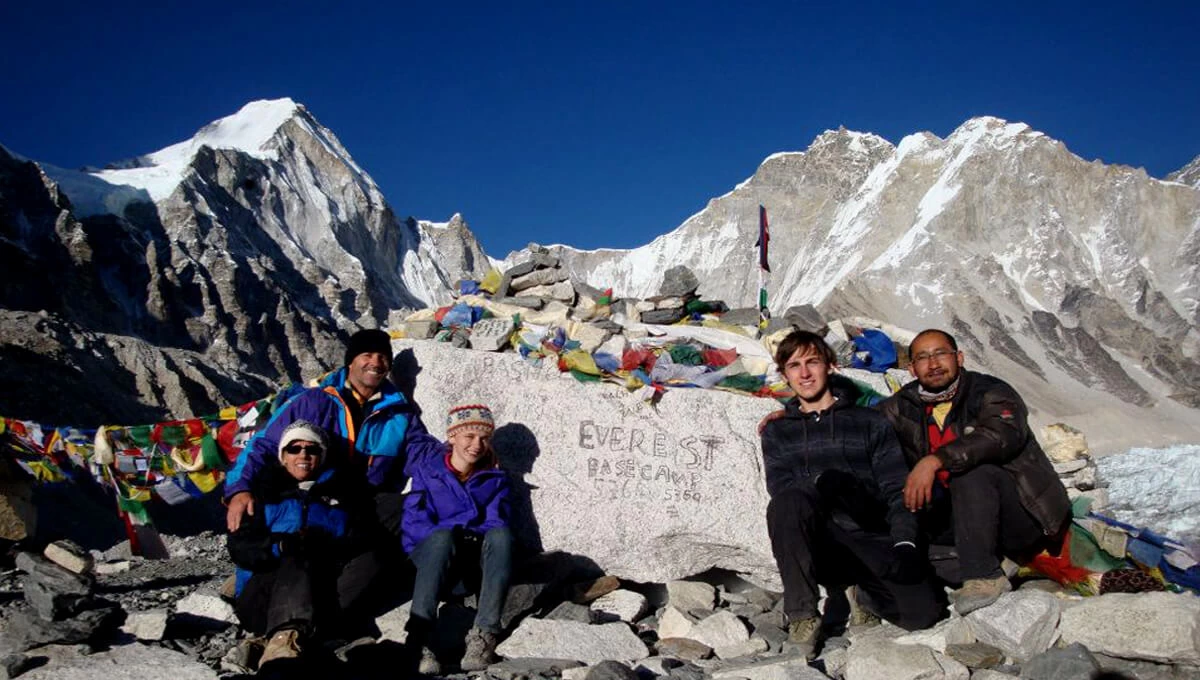
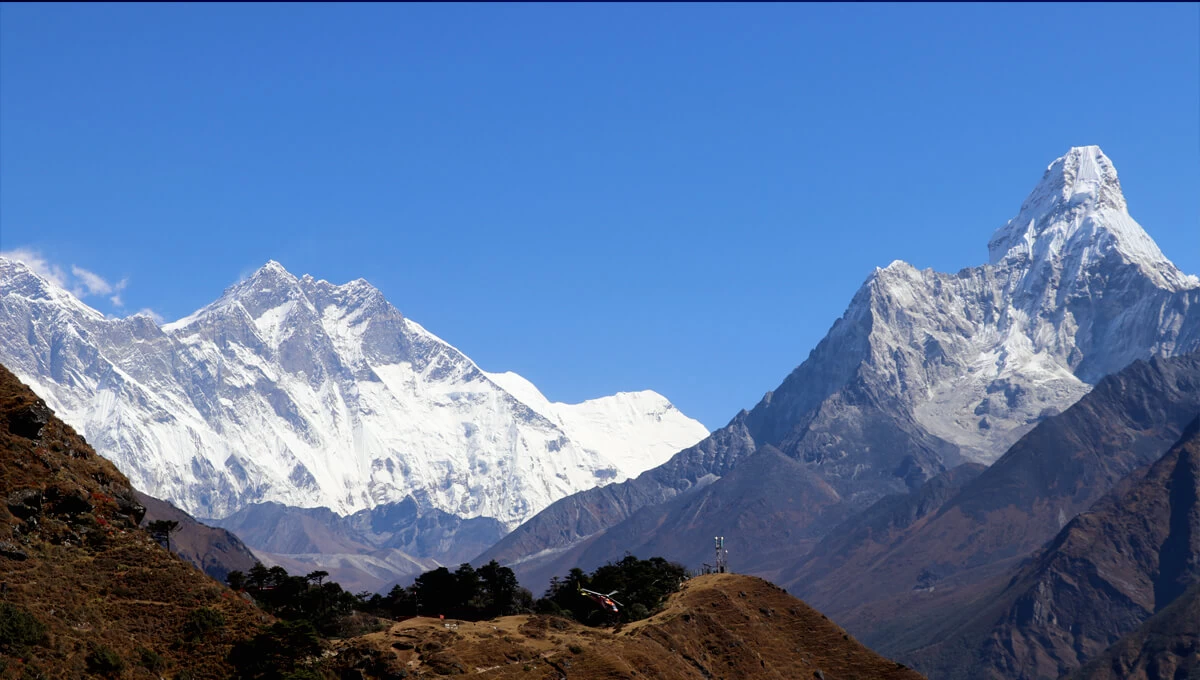
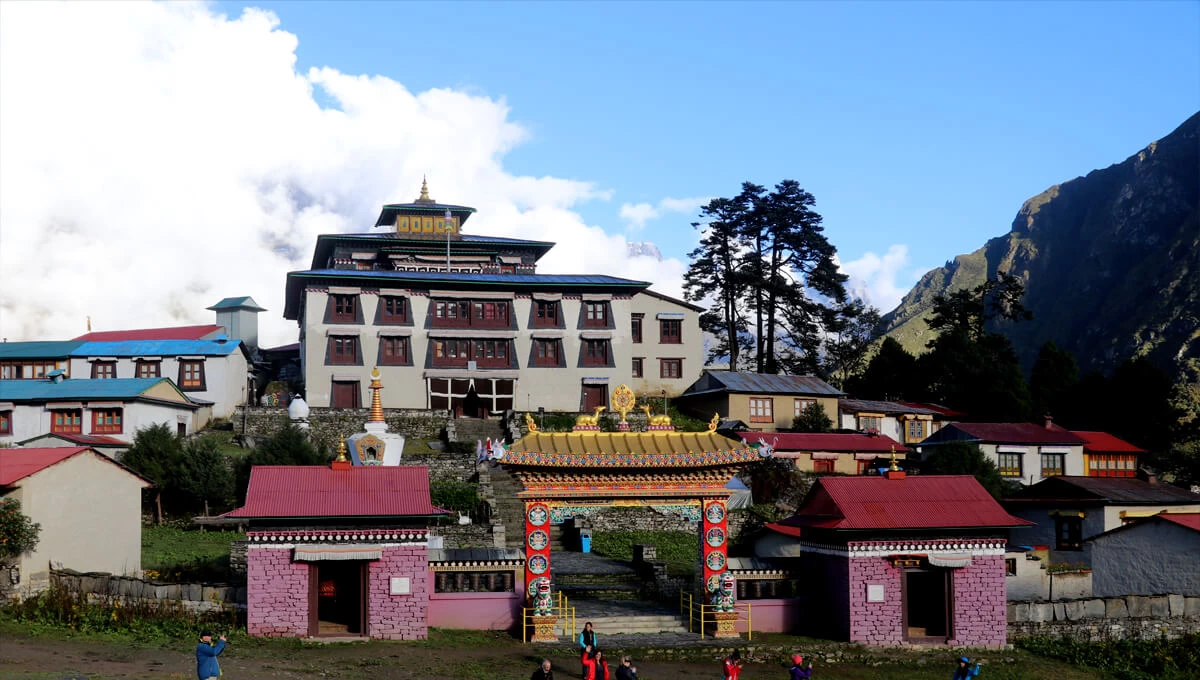
Everest Base Camp
View from Hotel Everest View Syangboche
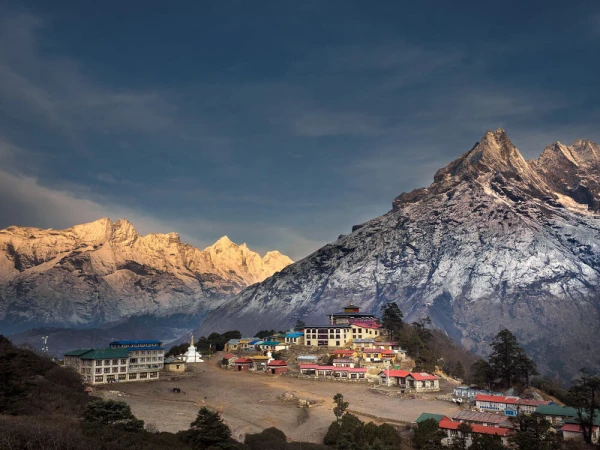
Tengboche Monastery

Everest Base Camp Trek - 14 Days

31 reviews in Trip Advisor
11 reviews in Google Reviews
Recommended by 99% of travelers

Everest Base Camp, in Nepal’s Solu-Khumbu District, is one of the toughest base camps to reach. This two-week trek offers stunning Himalayan views, including a panoramic vista of Mount Everest from Kala Patthar, all without needing mountaineering skills.

Duration
14 Days
Trip Grade
Moderate
Country
Nepal
Maximum Altitude
5,364 m (17,598 ft)
Group Size
1 to 15 People
Starts
Kathmandu
Ends
Kathmandu
Activities
Trekking & Hiking
Best Time
Spring & Autumn

Overview for Everest Base Camp Trek 

The Everest Base Camp Trek is probably the most iconic Himalayan journey in the world. This classic trek takes you into the Khumbu region, where you can enjoy spectacular views of Mount Everest and other mountains. The Everest Base Camp Trek Package relates to safety and comfort. As our packages are planned in a manner that they balance adventure and safety, along with restful days for trekkers. Perfect for trekkers who want the complete mountain experience with professional guidance and logistics taken care of. 

The 14 Day Everest Base Camp Trek Itinerary includes an early morning flight to Lukla, followed by a short trek to Phakding and then to Namche Bazaar. You will be exploring the ancient monastery there as well as learning about Sherpa culture. The route passes through Sagarmatha National Park, allowing for an enjoyable trek. You also get to hike to Kala Patthar for incredible views of Mount Everest during sunrise.  Along the way, there are certain days for acclimatization that can help you minimize the chances of altitude sickness. 

While you think about planning your Everest Base Camp Trek Cost for 2026/2027, it is important to choose packages that cover permits, accommodation, meals, domestic flights, and an experienced guide. Our Everest Base Camp Trek cost includes all charges and no hidden fees. Our team even has fixed departures and flexible dates to suit your travel plans. 

The Everest Base Camp is possible to do in the time of spring and autumn, regarded as the best months to take on this trek. This time of the year is known to offer clear skies and mesmerizing mountain views that are even mind-blowing if you see them from the Everest Base Camp. Whether you plan to join a group or take on a private guide for a personalized experience, the Himalayan trekking is known to offer a personal sense of accomplishment. 

So make sure you get your Everest Base Camp Trek reservation booked now for 2026 and 2027. Our experienced trekking guides have led Everest Base Camp journeys for more than 10 years and have successfully served hundreds of trekkers. All guides are government licensed and trained in high-altitude safety to ensure a safe trekking experience. 

Important Highlights for the Everest Base Camp Trek

  • Stand at the world famous Everest Base Camp (5,364 m), which is every mountain climber’s dream. 
  • Each way flight to and from Kathmandu to Lukla offers magnificent aerial views of the Himalayas. 
  • Take on an early morning hike up to Kala Patthar (5,545 m), offering the best views of Mount Everest and nearby snow-covered peaks.  
  • Visit traditional Sherpa villages like Namche Bazaar, the main entry point to the Everest region. 
  • Trek through Sagarmatha National Park, a UNESCO World Heritage Site in Nepal. 
  • Spend overnight at local teahouses along the trails, offering warm hospitality and impressive mountain views. 
  • See stunning glacial rivers, suspension bridges, and dramatic Himalayan landscapes. 
  • Well-planned itinerary for the Everest Base Camp, including proper acclimatization days to reduce the risk of altitude sickness. 

Cost of Everest Base Camp Trek for 2026/2027 - Price, Inclusions & Information 

The Everest Base Camp Trek 2026/2027 Price is very competitive and affordable, which has been designed to provide the maximum value for trekkers. The Price for the Everest Base Camp Trek is US$1,599, but at a special offer of US$1,449, an extra saving of US$150 per person. This cost covers an efficient package with your permits, domestic flights, staying in mountain teahouses, and meals eaten on the trek alongside expert Sherpa guides. 

We also provide discounted package prices when it comes to groups of trekkers for the Everest Base Camp. The price structure is US$1499 for 1 person, US$1,449 for 2 - 4 pax, and US$1,399 per 5 - 10 pax. Joining a group departure or with families, friends, and teams can offer discounted rates for the Everest Base Camp Trek. 

Booking in advance for the Everest Base Camp Trek in 2026 and 2027 allows early access to flights heading to Lukla during peak seasons and guarantees your seat for the fixed departures. With price clarity and no extra expenses, this package can provide safety and value for money Himalayan experience. 

How Hard is the Everest Base Camp Trek in 2026 and 2027?

The Everest Base Camp Trek is a moderate to difficult grade Himalayan trip, where you don’t need climbing skills. This trek covers a total of approximately 130 km (78 miles) round trip, where, on average, you walk 5 to 7 hours per day. It is what makes trekkers have a good level of fitness and mental strength. 

One of the tough parts of the Everest Base Camp Trek is the high altitude areas. Since the base camp is 5,364 meters above sea level, while Kala Patthar stands at 5,545 meters. So, as you ascend higher, oxygen levels decrease, and the hike becomes more demanding. Acclimatization days are required to prevent the risk of altitude sickness and make it a smooth journey without any hassles. 

The Everest Base Camp Trek is done by fit trekkers, as they can easily complete it with some basic preparation. Regular cardio training, strength exercise, and previous trekking experience can help a lot. So, choosing a well-designed Everest Base Camp Trek package is essential. Make sure it concerns acclimatization days and an experienced as well as licensed Sherpa guide. This makes the journey safer and more comfortable. 

Everest Base Camp Trek: How Far Do You Walk?

One of the most adventurous and iconic hikes in the world, the Everest Base Camp Trek 14 Days is one of the most often trekked hiking experiences around the Himalayan region. This trek passes through the Khumbu region, which takes you past traditional Sherpa villages, mountain trails, and magnificent views of Everest and other Himalayan peaks. 

Our skilled trekking guides have been taking trekkers on the Everest Base Camp Trek for decades and have successfully ensured the safety of hundreds of trekkers on this iconic trek. Most trekkers can successfully reach base camp and enjoy the high-altitude experience with good preparation, acclimatization days, and professional assistance. 

The total trekking distance of the Everest Base Camp Trek consists of 130 kilometers round trip. Kala Patthar is the highest viewpoint, with the astonishing views of Mount Everest. Trekking through the Everest region is comfortable with teahouse accommodations, hot meals provided by locals, and beautiful scenery. 

Everest Base Camp Trek Weather Guide - Temperature by Season

The Everest Base Camp Trek weather is determined by seasonal variation in temperature, trekking conditions, and visibility. During spring, the temperature ranges between 5°C to 15°C, depending on the altitude, best for clear skies with blooming rhododendron and moderate trekking conditions. Autumn is crisp, with great visibility of the mountains and temperatures from 0°C to 12°C at higher areas. 

Winter can be extremely cold, especially at night, with temperatures around -20°C in Kala Patthar. Monsoon brings heavy rainfall, slippery trails, and less visibility, making this season a difficult one to trek. Therefore, well packing and preparation for the Everest Base Camp Trek, as well as a detailed acclimatization plan, will promise you a safe and pleasant trek in whatever season you go.  

Can the Everest Base Camp Trek be done by beginners?

Yes, beginner trekkers can also safely hike the Everest Base Camp Trek, with a little more planning and preparation. As this trek is non-technical, the moderate terrain, long hours of walking, and elevated heights make it essential to be careful from start to end. So, planning your Everest Base Camp Trek through a registered agency is important. They help with proper planning, which is necessary to make your trek secure and relaxing. 

Altitude is one of the prime factors that can affect the difficulty of the Everest Base Camp Trek. The maximum height reaches 5,364 meters at Everest Base Camp and 5,545 meters at Kala Patthar. So, to have a hassle-free experience, there are certain acclimatization days in major places. If possible, follow the daily schedule, avoid overexertion, and stay hydrated to ensure a safe and comfortable journey. 

Having adequate fitness and proper preparation, first-time trekkers can take in the breathtaking Himalayan vistas, cultural highlights, and views of Mount Everest. 

How to Reach Lukla from Kathmandu in Peak Season

The Everest Base Camp Trek requires a flight from Kathmandu, which starts with a flight from Ramechhap to Lukla, a perfect alternative to Kathmandu. During the busy trekking months of spring and autumn, flights from Ramechhap are less crowded, making it ideal for trekkers who want a smoother start. The flight lasts about 45 minutes and offers spectacular views of the Himalaya, including Lhotse, Everest, and Nuptse.

If you go through a reputable trekking agency, the Everest Base Camp Trek can ensure that your Ramcechhap flight and baggage handling are booked for you in advance. The early morning flights are highly recommended, as the weather is mostly clear, so landing can be safe. The flight from Ramechhap provides a peaceful starting point for your journey with unparalleled scenery of the Khumbu region. 

Everest Base Camp Trek - 14 Days Itinerary

Start Point: Kathmandu
End Point: Kathmandu
Expand All

With your arrival at Tribhuvan International Airport in Kathmandu, our team representative will greet you and transfer you to the hotel. After the check-in, you can relax or get out to explore the nearby Thamel area. After proper rest, you will be provided a briefing about the Everest Base Camp Trek Itinerary and essential guidelines to be followed for safety. This makes for a leisurely day to rest and prepare for your adventure ahead. Night stay at a comfortable hotel in Kathmandu. 

Max Altitude: 1,340 m (4,396 ft)Meals: BreakfastAccommodation: Hotel

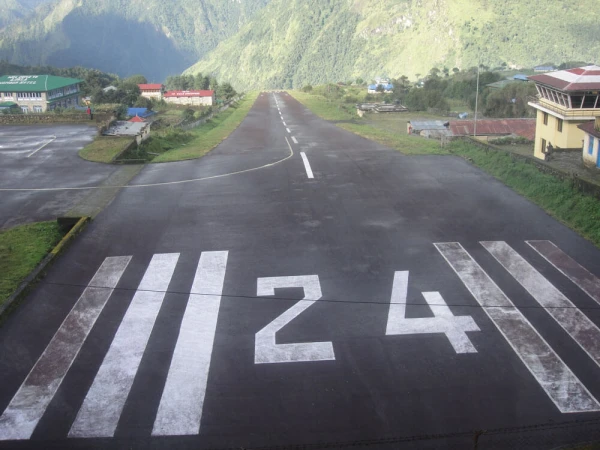
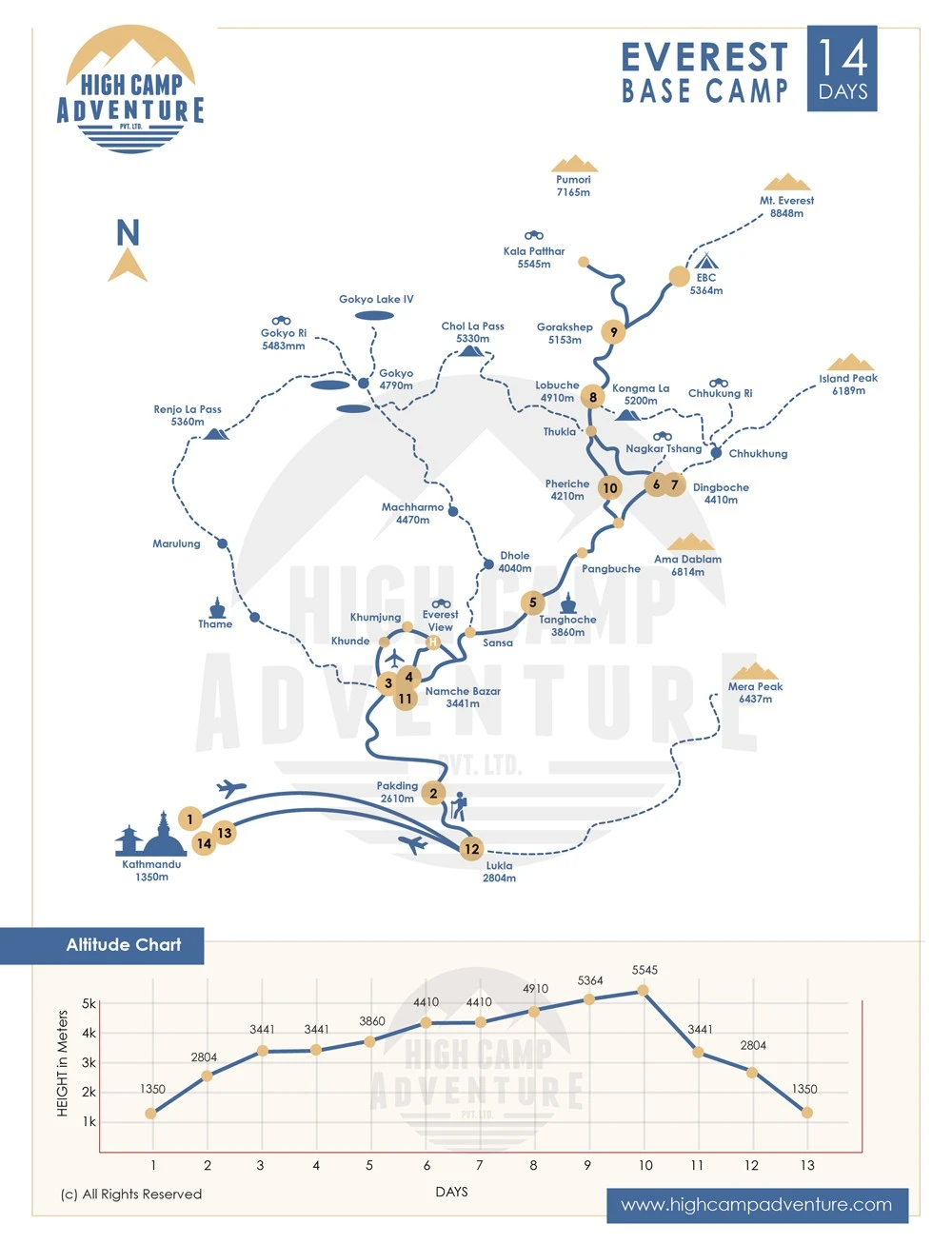
In the morning, you will fly to Lukla, the starting point of the Everest region. The total duration of this flight is 35-minutes, offering spectacular views of the Himalayas. Once landed, the trek starts easily with walking through the gentle Sherpa villages and alongside the Dudh Koshi River. Trekking from Lukla to Phakding can help you get used to walking in the Everest region, as well as properly acclimatize to the elevated heights. As you arrive in Phakding, the first place to experience your teahouse accommodation. 

Max Altitude: 2,610 m (8,562 ft)Meals: Breakfast, lunch, dinnerAccommodation: Tea House

On Day 03, you hike from Phakding to Namche Bazaar, following alongside the Dudh Koshi River, and crossing the beautiful Hillary Bridge. The walk takes you deeper into the Sagarmatha National Park and reaches up to Namche Bazaar. The trail is steep but rewarding, with the distant views of Mount Everest on a clear day. As you reach Namche, the capital of the Khumbu region, you will find modern facilities.

Max Altitude: 3,440 m (11,286 ft)Meals: Breakfast, lunch, dinnerAccommodation: Tea house

This day is fully dedicated to rest and acclimatization to give your body time to adapt to the growing altitude. Rather than full rest, you will do a short hike to the Everest View Hotel or nearby viewpoints for 360-degree mountain vistas. Some hikers like to visit local museums, spend time at the cafe, or explore Namche. Adequate acclimatization helps to lower the chances of altitude sickness and trains you for even higher altitudes to come. Overnight stay in Namche Bazaar.

Meals: Breakfast, lunch, dinnerAccommodation: Tea house

The hike from Namche Bazaar to Tengboche is known to treat with some of the spectacular mountain views, including Everest, Ama Dablam, and Thamserku. The trail starts with a steady pace winding to the Dudh Koshi River. After crossing the suspension bridge, the trail climbs steadily through forests of pine and rhododendron and reaches Tengboche. This place is popular for its Tengboche Monastery, one of the biggest monasteries in the Khumbu region.

Max Altitude: 3,867 m (12,687 ft)Meals: Breakfast, lunch, dinnerAccommodation: Tea house

After visiting Tengboche Monastery in the morning, the trail descends through forests and crosses the Imja Khola. As the trek goes higher, you can see a gradual change in the landscapes. The trail takes you through Pangboche village and finally towards Dingboche with breathtaking views of Ama Dablam. The higher you climb, the thinner the air gets, so you should maintain a steady pace. Upon reaching Dingboche, a lovely village with stone-paved trails and astonishing surroundings. 

Max Altitude: 4,410 m (14,469 ft)Meals: Breakfast, lunch, dinnerAccommodation: Tea house

On this day, you will have a rest day for acclimatization in Dingboche. Still, you can spend this day by taking a short morning hike towards Nangkarshang Peak. From this point, you can see impressive views of Ama Dablam, Lhotse, and Island Peak. In the evening, you can relax in local cafes, bakeries and interact with the locals. Properly use this day to prepare for higher altitudes in the coming days. 

Meals: Breakfast, lunch, dinnerAccommodation: Tea house

Day 08, the trek involves a steady climb through alpine terrain, mainly towards Thukla Pass. Along the way, you pass memorials of climbers who have died on Everest. From there, the trail continues along the edge of the Khumbu Glacier towards Lobuche. As you go higher in altitude, the terrain starts getting more rugged and barren. As you arrive in Lobuche, a small place with simple teahouses, offering a quiet place to have a perfect overnight stay.

Max Altitude: 4,930 m (16,175 ft)Meals: breakfast, lunch, dinnerAccommodation: Tea house

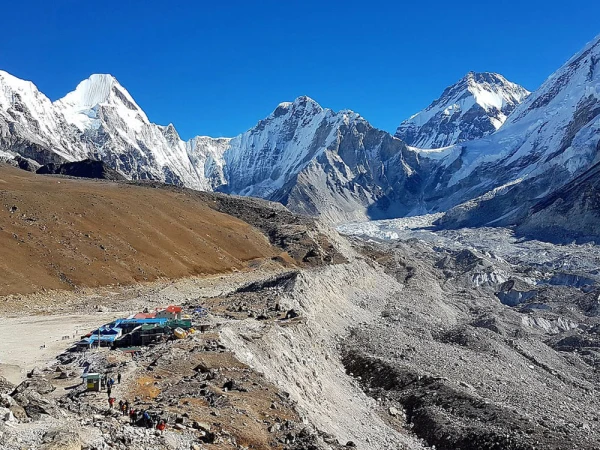
Day 09 is one of the crucial days of your base camp trek. On this day, you head towards Everest Base Camp, passing through the rocky, glacial trail from Gorakshep in the morning. The walk involves gradual ascents and bumpy trails. This allows you to see the Khumbu Icefall and surrounding peaks from close, while you reach the Everest Base Camp. After spending some time at the base camp, you return to Gorakshep for the night. Getting proper rest after long walking hours in Gorakshep makes your stay less stressful. 

Max Altitude: 5,364 m (17,598 ft)Meals: Breakfast, lunch, and dinnerAccommodation: Tea house

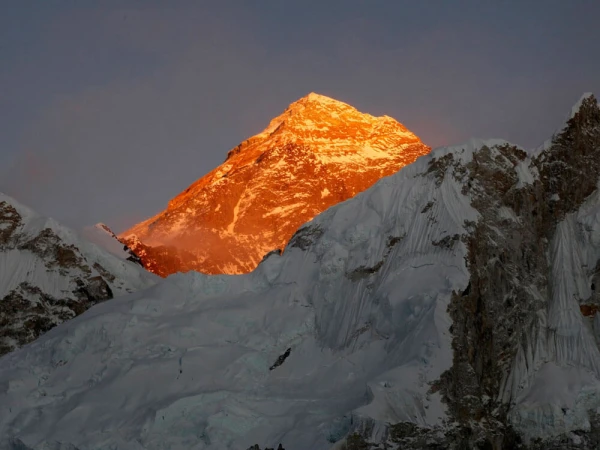
On Day 10, you will be taking a morning hike towards Kala Patthar, one of the toughest hikes from Gorakshep. Before sunrise, you will trek to Kala Patthar, the best viewpoint to catch the eye-catching views of the mountains in the Everest region. The journey is steep, but worth it, offering the best panoramic views of Everest, Nuptse, and Pumori. Then, you will descend to Gorakshep for breakfast, after which it follows the downhill section of Pheriche. The descent is easier, as the atmosphere starts to feel more friendly. After trekking for about 3 to 4 hours, you reach Pheriche, a traditional village, offering a comfortable teahouse stay.

Max Altitude: 5,555 m (18,225 ft)Meals: Breakfast, lunch, dinnerAccommodation: Tea house

Today you will descend further into the familiar trail through Pangboche and Tengboche. The downhill walk is easier, as it makes it easier for you to breathe. You will be crossing over the Dudh Koshi River, through suspension bridges, and gradually making your way back to Namche Bazaar. After spending days at higher elevations, you get to stay in the friendly and warm town of Namche Bazaar.

Max Altitude: 3,400 m (11,154 ft)Meals: Breakfast, lunch, dinnerAccommodation: Tea house

On the final day of your trek, you move from Namche Bazaar to Lukla, with trails taking you through the Dudh Koshi River. The trail takes you through traditional Sherpa villages, offering a memorable mix of gentle ascents and descents. The journey starts with a steady downhill section, offering incredible views of beautiful hills through well-marked trails. As you arrive in Lukla, a small town with lovely green hills all around you. This is your last day of stay in this region, offering experiences that are unmatched. 

Max Altitude: 2,864 m (9,396 ft)Meals: Breakfast, lunch, dinnerAccommodation: Tea house

This day is one of the important days, as you head back to Kathmandu or Ramechhap, depending on the conditions. During peak time, the airport is mostly busy, so you take a flight from Lukla to Ramechhap, followed by a scenic drive to Kathmandu. The flight takes you over the Himalayas, making the journey scenic and enjoyable. This is your last glimpse of the mountain, so enjoy the views as much as you can. After you arrive in Kathmandu, you get transferred to your designated hotel, where you rest. In the evening, you stroll around the busy streets of Kathmandu and shop for local souvenirs.

Max Altitude: 1,340 m (4,396 ft)Meals: BreakfastAccommodation: Hotel

On Day 14, you will be dropped off at the Tribhuvan International Airport for your final departure. We advise arriving at the airport three hours prior to your departure time, as during peak times, the airport is mostly packed with travelers. Before you depart from Kathmandu, recall all your memories and experiences from the Everest Base Camp Trek.

Let us help You Plan Your Perfect Holiday
Looking for a customized trip? Let us know your estimated holiday time, budget, travel style, etc. We will design an amazing personalized itinerary for you.

Route Map

Everest Base Camp Trek Map

Cost Details

Includes

  • Pickup and Transfer to and from the International Airport to your hotel in Kathmandu. 
  • Comfortable 3-star hotel accommodation for two nights in Kathmandu (breakfast included). 
  • Transportation as per the itinerary (Kathmandu - Lukla - Kathmandu Airfare). 
  • Teahouse accommodation during the Everest Base Camp Trek. 
  • Standard, Delicious, and Fulfilling Three Meals per day (breakfast, lunch, and dinner) during your Everest Base Camp Trek. 
  • Experienced and Licensed Guide and Local Porter for the Everest trek. (High Camp Adventure is responsible for covering the staff’s meals and accommodation as well as wages, transport, insurance, and essential gear). 
  • Equipment (Sleeping Bag, Down Jacket, Duffle Bag, and Walking Poles). 
  • Sagarmatha National Park Area Permit Fees. 
  • Khumbu Pasang Lhamu Rural Municipality Entry Permit Fees. 
  • Trekking Map.
  • Medical Kit. 
  • Government Taxes. 
  • Duffle Bag. 
  • Company’s Service Charge. 
  • Farewell Dinner in Kathmandu before Final Departure.

Excludes

  • International Flight ticket to and from Kathmandu. 
  • Major meals during your stay in Kathmandu (other than breakfast). 
  • Personal Expenses, including laundry, telephone calls, bar bills, drinks, and snacks. 
  • Hot shower facilities, a fee for charging electronic equipment, and personal expenses during the trek. 
  • Tips for Guide, Porters, and Team Staff. 
  • Travel Insurance. 
  • Expenses occurred due to cancellations and events beyond our control, such as weather delays, trail detours, political unrest, illness, and other events. 

Add-ons & Options

We are offering the following add-on features:

Immerse yourself in the breathtaking landscapes while our expert porters manage your gear. Each porter, with a capacity to carry up to 25 kg, can assist two travelers, allowing you to fully enjoy the awe-inspiring beauty of the Everest region. Please choose this option for the personal/additional porter.

Dates & Availability

These are upcoming fixed departure dates. If you are looking for a different date, feel free to contact us.

Essential Information

Airport Transfer 

All clients who book the Everest Base Camp Trek will be met by our representative at the Tribhuvan International Airport and taken directly to their accommodation in Kathmandu in a private vehicle. This service enables trekkers to avoid trying to find a way to their designated hotel after an exhausting international flight. We even provide a timely transfer from the hotel to the airport for departure after the completion of your Everest Base Camp Trek. 

Itinerary Disclaimer

The Everest Base Camp Trek Itinerary has been structured for a better trekking experience, offering a safe but exciting hike. However, based on the weather conditions, flight delays to Lukla, the status of the trail, and the acclimatization days needed for trekkers. The Guide will perfectly adjust to make the rest of the journey safe and comfortable. Although the team tries their best to stick to this itinerary, make sure you stay flexible when trekking the high Himalayas. 

Safety and Security while Trekking to Everest Base Camp

Since the Everest Base Camp Trek involves trekking at high altitudes in the Himalayas, safety and security are often a concern. The Everest region trekking trail is clearly marked and walked by trekkers from all over the world. An experienced guide is essential for the successful completion of the trek to EBC since they provide navigation, altitude management, and help keep the trekkers safe. The guides are trained to monitor the safety and health of trekkers during the trek and assist them with acclimatization well. Each trekker is required to maintain a constant pace, drink sufficient amounts of water, and take appropriate acclimatization days in order to stay safe. The weather can change rapidly while trekking, so it is essential that all trekkers remain flexible and listen to the instructions given by their guide. 

Food and accommodation for the EBC Trek

All trekkers will have access to comfortable teahouse accommodation, generally operated by the local families during the Everest Base Camp Trek. These accommodations generally consist of very basic rooms with twin beds, blankets, and shared bathrooms. In larger towns, you have better amenities, offering warm hospitality and an authentic Himalayan experience. If you want to learn more about the teahouse accommodation, go check out our Everest Base Camp Trek accommodation guide

In the same way, food is provided at the mountain teahouses. They are nutritious and give energy for trekking to the Everest Base Camp. The meals are freshly cooked using local ingredients, with options such as Dal Bhat, noodles, pasta, fried rice, and potatoes. The Everest region trek even provides simple international cuisine items, making your trek easier and more comfortable. 

Experienced Guide and Local Porter 

For the Everest Base Camp Trek, hiring an experienced guide and local porter is important to ensure safety and comfort. The guide provided by the team has years of experience in passing through the tough trails of the Everest region. This is what makes it helpful for you to assist through well-marked routes. They are even known to arrange accommodation, manage permits, and offer insights into the local culture. 

Similarly, porters also play an important to completing the Everest Base Camp Trek. They carry all your trekking gear, helping to ensure you fully enjoy the walk without worrying about the heavy luggage. If you plan to hire a local porter, it even plays a great role in the local economy and promote responsible tourism in the Everest region. Still, if you choose the Everest Base Camp Trek Package, we provide you with both a licensed guide and a local porter, ensuring a safe and comfortable trek. 

Gear and Packing Essentials 

Ensuring yourself with proper packing and gear are the essential part of the Everest Base Camp Trek. Having the right gear on the trek is necessary for safe and comfortable trekking in the Himalayas. Here are the types of gear suggested for the Everest Base Camp Trek. 

Clothing 

  • Thermal Base Layers (keeps body warm in high altitude conditions). 
  • Fleece or Insulated Jacket (for cold mornings and evenings). 
  • Down jacket (for extremely low temperatures and above 4,000 m). 
  • Trekking pants (light-weight, fast-drying pants for days of walking). 
  • Warm hat and gloves for warmth and protection from strong winds at higher elevations. 
  • Moisture-wicking T-shirts that are perfect for keeping the body dry throughout the hours of trekking. 
  • Thermal socks or woolen, especially for higher altitudes. 

Packing 

  • 40 – 50L Duffle Bag (carried by a porter, where trekking gear and essential items are kept). 
  • 20 – 30L Daypack to carry water bottles, snacks, a camera, and personal items. 
  • Comfortable and durable sleeping bag (especially for colder nights at higher altitudes). 
  • Portable dry bags (to keep the clothes and other dry items organized)

Footwear 

  • Strong, waterproof trekking boot with good ankle support for rugged alpine trails. 
  • Camp shoes or sandals. 
  • Gaiter (optional). 

Other Required Gear 

  • Trekking poles (help with balance and relieve pressure on the knees).
  • UV Protection sunglasses. 
  • Headmap with extra batteries. (for early morning hikers and evening use in teahouses). 
  • Water bottles or hydration system
  • Sunscream and Lip Balm. 
  • Basic First Aid Kit. 

Gear Rental Option

Those who don’t want to carry heavy hiking equipment can easily find rental trekking gear shops in Kathmandu, Lukla, or Namche Bazaar. But getting the perfect and comfortable trekking gear before starting the Everest Base Camp Trek is recommended. Certain trekkers mostly rent their equipment and clothes, especially down jackets, sleeping bags, trekking poles, and other essential items for low prices. 

Everest Base Camp Trek - Best Time to Visit 

Although there are several seasons for the Everest Base Camp Trek, spring and autumn are generally said to be favorable. These seasons are known to offer you conditions that make trekking in the Everest region easier and more convenient. Both of the ideal times provide stable mountain weather, good mountain visibility, and excellent trekking conditions. 

The spring and autumn season is considered to be the perfect trekking season for the Everest Base Camp Trek. At this time, you can see blooming rhododendron trails, offering beautiful landscapes and a moderate temperature to ascend. You can easily catch the stunning views of the surrounding peaks, as the skies are crystal-clear. The mountain weather is also predictable during these months, which makes it a popular season to trek in the Everest region. 

If you plan to trek to the Everest Base Camp during unfavorable times, it might be challenging, but doable. The winter and monsoon seasons are tough to ascend to the base camp, but it is possible with additional logistics and extra preparation. For more detailed information for best season, weather conditions, and temperature updates, go through our Everest Base Camp Trek Best Time Guide

Permits Necessary for the EBC Trek

Thinking of taking on the Everest Base Camp Trek? Then, here are the important permits that you must obtain before you start your trek. The Sagarmatha National Park Permit and the Khumbu Pasang Lhamu Rural Municipality Permit are the required permits if you embark on the Base Camp Trek. Both of these permits can be obtained through a registered trekking agency in Kathmandu. 

The Sagarmatha National Park Permit is the essential permit that needs to be obtained in Kathmandu or even at the entry point. The main use of this permit is to ensure a safe and comfortable walk through the National Park Area. This permit ensures that you follow all the park’s rules and guidelines, making the journey to base camp engaging. The Nepal Tourism Board Office in Kathmandu is responsible to issue the National Park Permit. 

Next is the Khumbu Pasang Lhamu Rural Municipality Permit, which can be secured from Kathmandu or even at Lukla. Make sure you carry this permit throughout the trek, as it may be checked at various points along the trail. The fees collected from this are not profitable and are utilized for the development of trails and infrastructure. 

Everest Base Camp Trek Safety Tips to be Followed

Making the trek to Everest Base Camp is an exhilarating experience; however, it does pose some challenges like high altitude, sudden changes in the weather, and rough terrain. Following these essential tips for safety can make your journey safer and with enough memories to be cherished for life. 

  • Utilize the rest days for acclimatization in Namche Bazaar and Dingboche, as you can take a short morning hike towards nearby viewpoints. 
  • Keep yourself hydrated enough to reduce the risk of dehydration. 
  • Maintain a comfortable pace each day, as it can allow your body to adjust properly to elevated heights. 
  • Watch out for symptoms of altitude sickness, as it can be more dangerous if not considered in time. 
  • Read all the rules and guidelines implemented by the local villages and National Park Area, helping for enjoy more. 
  • Follow the instructions said by the guide, as they know every step of the trail. 
  • Always bring warm clothes, medical supplies, and UV protection sunscreen. 
  • Check the weather conditions before starting your trek at high altitudes. 

Travel Insurance

Travel Insurance is compulsory for anyone doing the Everest Base Camp Trek in 2026/2027. It helps cover medical emergencies, evacuation, trip cancellations, and lost or damaged luggage. Trekking at high altitude involves the risk of altitude sickness, rapid changes in weather, and mountain challenges. Therefore, make sure your insurance covers high altitude trekking, helicopter evacuation, and medical treatment. Be mindful that your policy is valid for the dates and activities throughout the trek. 

Everest Base Camp Trek - 14 Days FAQs

The Everest Base Camp trek is considered one of the most popular treks of the Himalayas, taking one to the very base of the highest peak in the world Mount Everest. It offers breathtaking views of Everest and other peaks surrounding it and also gives a chance to join in the rich culture of the Sherpas. Usually, the completion period of this trek takes 14-15 days if there is a need for an extra acclimatization day.

Yes, the trek to Everest Base Camp is worth it which provides stunning views of high Himalayan terrains. For many trekkers, the Everest Base Camp trek is a lifetime experience. Trekking to the Base Camp provides you with a unique cultural experience of the Sherpa community with stunning views of some of the highest peaks in the world.

Mountain views: Mount Everest, Lhoste Himal, Makalu, Cho Oyu, Nuptse etc.

The Everest Base Camp trek has been termed a trip of moderate intensity. It has extended walking days at high altitudes, which physically becomes very challenging. Travel requires individuals to be in good cardiovascular health, and physically and mentally strong. Moreover, high-altitude trekking often poses risks such as altitude sickness. Therefore, proper rest should be taken.

It is not necessary to have a guide with you during the trek. However, trekking with a guide can be more beneficial for those who are planning for a solo trek because they make sure that you are safe and secure throughout the trek. Engaging with a guide provides you with essential expertise, and cultural knowledge ensuring that your journey is rewarding and secure. Beyond managing permits, accommodations, and meals the guides will provide you with support throughout the journey, making the trek memorable and stress-free. They can also handle unforeseen challenges, providing you with expert navigation and ensuring your safety throughout the entire journey.

Mostly, trekking accommodation is on tea houses or lodges depending on the type of place you are staying in. The lower altitude tea houses are fairly plain and comfortable, with beds and shared or private bathrooms. The higher the altitude, the fewer the facilities as you would be sharing rooms and bathrooms. They also have the facilities of a hot shower and electronic devices to charge, but you’ll have to pay extra cost for them. The lodges will have single as well as sharing rooms. Every lodge and tea house provides all kinds of foods and drinks which includes breakfast, lunch, and dinner.

Going on the Everest Base Camp trek implies taking serious health precautions. You must have a complete health check done with your healthcare provider and discuss the nature of the conditions that you have and what they may affect for the trek. You should also think about altitude sickness and ways to avoid it. Make sure you facilitate it by visiting the mountains and taking the necessary medication. In addition, make sure you are physically fit by starting to take regular cardiovascular and strength training exercises. Finally, keep a first aid kit and take with you the medications you take regularly including painkillers, medication against stomach pain, and sunburn.

Certainly, the majority of tea houses and lodges provide customers with the option to charge their devices at no extra charge. Yet, power sources can be scarce or inconsistent in elevated areas. Bringing a portable power bank is highly recommended to ensure your devices stay charged during the entire hike. You should always make sure your electronic devices are fully charged in case you need to use your guide in an emergency.

Network on the Everest Base Camp Trek is a bit convenient because there is mobile network coverage in nearly all villages along the way of the trek but keep your expectations low. Purchasing a local SIM in Kathmandu may be beneficial in this regard. Most tea houses also offer Wi-Fi at a price, but it is not always dependable.

There are no emergencies during the trek however during unfavorable weather conditions there can be chances of emergency but you don’t need to panic as the guide will be there for you. You can also carry the contacts of local emergency services, your trekking agency, and your country’s embassy in Nepal. Also, ensure that you have full travel insurance in case of an emergency.

Yes, you must have travel insurance for the Everest Base Camp however it is not compulsory to have it but in case of an emergency, it may decrease your medical charges. Travel insurance includes medical emergency coverage, trip cancellation, and other incidents. You should make sure that the insurance should include high-altitude trekking and emergency evacuations.

The Everest Base Camp trail can be quite crowded, especially during the peak trekking season which is during the time of Spring and Autumn. Especially during this time, you might encounter a large group of trekkers, including those trekking to Mount Everest. So, to avoid the crowd choose less traveled routes for a comfortable and safe journey.

Yes, the Everest Base Camp trek is suitable for vegetarians. We, mostly recommend our trekkers to limit or lessen the consumption of meat during the trek because it might lead the trekkers to digestive problems. So, most of the trekkers eat vegetables which are typically fresh and provide essential nutrients during the trek. It also helps you to maintain your health and energy.

No, you cannot pay US Dollars during your trek to the Everest Base Camp because most of the tea houses don’t accept US Dollars. So, it's better to exchange your money at Kathmandu as most of the tea houses accept Nepali Rupees only.
 

No, during your trekking journey, there won’t be any language issues with the Guide and Porter. Our team provides you with a licensed English-speaking Guide and Porter who will be assisting you throughout the journey. The Guide will help you to provide knowledge about the geography and history of the area.

Yes, making your way to the Base Camp is mostly preferable during the Spring and Autumn seasons. During this time, you will be rewarded with favorable weather and temperature. However, many trekkers make their way to the Everest Base Camp during these times for a safe and comfortable trek.

Yes, the Everest Base Camp trek is possible with children below 10 years however, they must be supervised by a local Guardian during the trekking journeys. As you know, no age restriction is done by trekking agencies for trekking in Nepal. However, the trekkers must be physically fit with basic trekking skills.

What Our Guests Say?

You May Also Like

Need Help? Call Us+977 9851031822