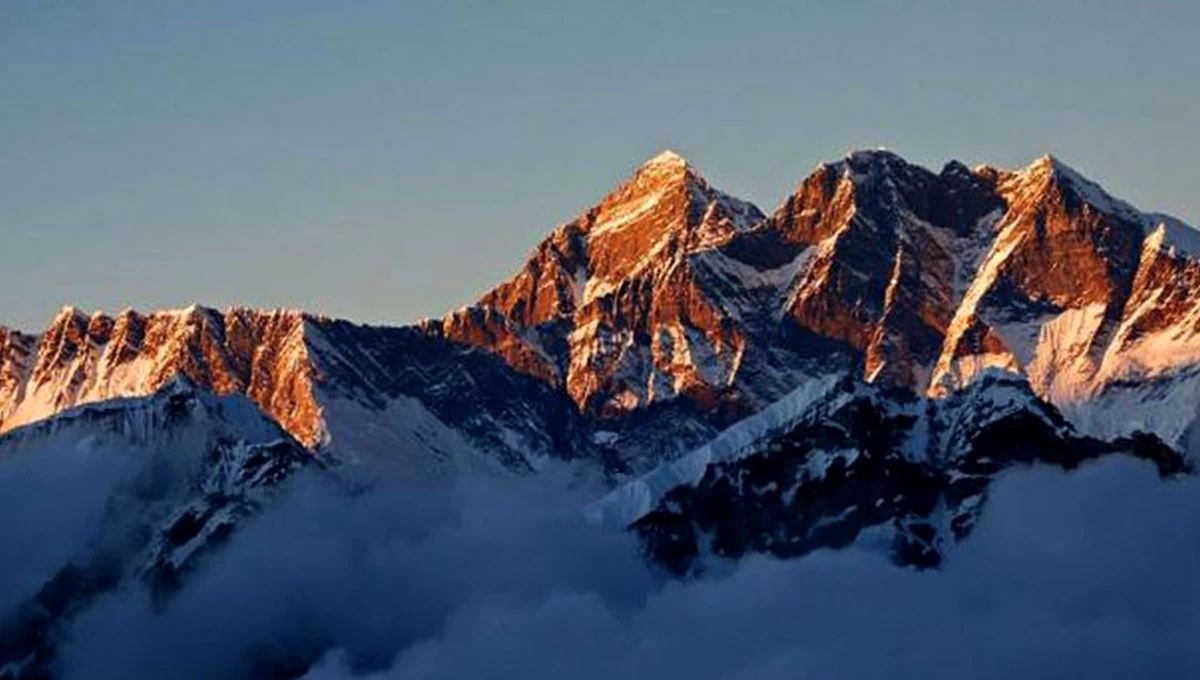
Lhotse Expedition

Lhotse Expedition - 55 Days

31 reviews in Trip Advisor
11 reviews in Google Reviews
Recommended by 99% of travelers
Duration
55 Days
Trip Grade
Very Strenuous
Country
Nepal
Maximum Altitude
8,516 M (27,940 ft)
Activities
Trekking and Climbing
Best Time
Spring (Mar - May) and Autumn (Sep - Nov)

Introduction to Lhotse Expedition 

The Lhotse Expedition is one of the most thrilling and challenging climbs in the Himalayas, offering experienced mountaineers the opportunity to summit the World’s fourth-highest peak at an elevation of 8,516 meters (27,940 feet). This region is located within Nepal and shares its base camp with Mount Everest, including complicated routes. Along with the need for technical climbing skills, the climbers need to have strong physical endurance and a solid understanding of mountaineering in the mountains.  

The Expedition generally starts with a scenic flight from Kathmandu to Lukla, followed by an incredible trek through dense forests, Sherpa villages, and alpine meadows. From Lukla, trekkers make their way along the Dudh Koshi River, crossing several bridges and reaching Sherpa-influenced villages like Namche Bazaar, Tengboche, and Dingboche. Trekkers will be amazed at the dramatic views of some of the highest peaks in the World. 

The routes include some challenging terrain, icefalls, and steep rocky sections before reaching the Summit. Climbers will face high-altitude conditions and unpredictable weather, making the expedition suitable only for seasoned mountaineers. Along the way, trekkers will stay in a comfortable 3-star hotel in Kathmandu, cozy tea houses on their trekking route, and tented campsites during the Lhotse Summit attempt. Meals are provided throughout the trek, ensuring climbers maintain their energy levels for the physically demanding journey ahead. 

The Lhotse Expedition requires setting up multiple camps along the mountain’s slope, with higher camps being progressively more technical and exposed to harsh conditions. They navigate through steep rocky sections, crevasses, and icefalls, where the use of ropes, crampons, and ice axes is important. However, the most important section of the climb includes reaching the Summit through a high-angle section of ice and rock that demands proper mountaineering skills. 

Reaching the Summit of Lhotse is a great achievement in the World for any climber. However, apart from the physical and technical aspects of the climb, it provides climbers with a great chance to witness the impressive natural beauty of the Himalayas and interact with the local Sherpas for better trekking experiences.

Important Highlights of Lhotse Expedition

  • Get a chance to climb the fourth-tallest mountain in the World, Mount Lhotse.
  • Witness incredible views of the surrounding Himalayas, including Mount Everest, Nuptse, Ama Dablam, and Pumori
  • Interact with the local Sherpas, experiencing the warm hospitality in places like Namche Bazaar, Dingboche, and Tengboche. 
  • Take a short hike to Kala Patthar (5,545 M), where you can enjoy stunning panoramic views of Mount Everest, Lhotse, Nuptse, and other majestic peaks. 
  • Navigate through technical terrain, requiring proper skills related to the use of ropes, crampons, and ice axes. 
  • Reach higher Camps such as Camp I, Camp II, and Camp III, leading to the final Lhotse summit push. 
  • Reaching the summit of Lhotse offers you awe-inspiring views of the surroundings and a sense of triumph. 

History and Significance of the Lhotse Expedition

Mount Lhotse is the fourth-highest mountain in the world, nestled at an elevation of 8,516 meters (27,940 feet) above sea level. The mountain is situated in the Himalayas, between Nepal and the Tibet Autonomous Region of China. Mount Everest and Lhotse are connected within the same massif and are separated only by the South Col. 

Lhotse, the world’s fourth-highest mountain, was discovered in 1921, during the British Mount Everest Expedition. Although the British team led by George Mallory was focused on surveying Everest, they also noted a prominent peak situated just South of it. However, at that time, Lhotse did not receive too much attention and was considered a secondary peak, as the main target was Everest, which was the primary objective of the expedition.

Lhotse’s importance gradually became more evident, especially after a 1935 survey, which confirmed its height of 8,516 meters (27,940 feet). Even though Lhotse is close to Everest, it was ignored because of being hidden by the overwhelming presence of Everest. The name “Lhotse” is based on the Tibetan word for “South Peak”, which points to its southern position relative to Everest. 

The first successful summit was done by a Swiss team on May 18, 1956, by Ernst Reiss and Fritz Luchsinger, and ever since then, people have known about its extreme level of slopes, offering climbers a unique alternative to Everest, with difficult terrain, steep faces, and a demanding ascent. They were part of a Swiss Expedition, which was working on both Everest and Lhotse, and made a long and difficult ascent from the south side of the mountain. 

In recent years, Lhotse has gained attention due to the increasing number of Everest climbers along with the Lhotse expedition. This expedition is often considered one of the most challenging alternatives for climbers, wanting to conquer one of the highest points in the world without facing the overcrowding Everest Summit. The history of Lhotse is enriched by several prominent figures in mountaineering, such as the renowned Tenzing Norgay, who reached Everest’s summit in 1953. Even though Norgay did not reach the Lhotse summit, his efforts were crucial in making the region accessible to mountaineers. 

Climate and Terrain Conditions on Mount Lhotse 

Lhotse, being part of the Himalayan mountain range, experiences a challenging and harsh climate, including extreme temperatures, high winds, and rapidly changing weather conditions. Here are the climate and terrain conditions during the Mount Lhotse Summit. 

High Altitude Conditions

Lhotse is known as the fourth-highest mountain in the world, where climbers will be reaching an elevation of 8,516 meters (27,940 ft) above sea level. Therefore, at such altitudes, the air pressure and oxygen levels are significantly lower, creating an environment that includes some demanding routes for the climbers. Because of the high altitude surrounding the Lhotse Expedition is tough to ascend, and climbers need to acclimatize and adjust to higher elevations.

Temperature Variation and High Winds

Due to its high altitude, Mount Lhotse has extremely cold temperatures with an average temperature drop below minus degrees and even more near the summit. High winds are regular on the Lhotse, especially during the monsoon season. The winds are particularly high on the summit, which makes it difficult for climbers to reach their summit. 

Technical Sections

Doing Mount Lhotse includes some of the technically challenging sections that climbers need to navigate. As you start your Lhotse attempt from the Lhotse Base Camp, climbers encounter technical rock sections and exposed ridges. These require careful use of climbing tools such as crampons, ice axes, and fixed ropes. The exposure to both rockfall and avalanches is a major danger during these sections, making the climb demanding and requiring a high level of expertise.

Summit Ridge and South Col

The South Col, which is shared with Everest, is a high-altitude saddle that climbers use to acclimatize before ascending Everest or Lhotse. This area is usually windswept and exposed to harsh weather, but it provides access to the summit of Lhotse.

Lhotse Expedition - 55 Days Itinerary

Expand All

Upon landing at the Tribhuvan International Airport, Kathmandu, one of our team representatives will be waiting for you. After you are welcomed, a pickup and drop facility from the Airport to your designated hotel inside Kathmandu Valley is offered to you as a complimentary service. Take some time to relax after your journey and get acclimatized to the city. Explore Kathmandu, as this city is rich in history and culture. 

Max Altitude: 1,340 m (4,582 ft)Accommodation: Hotel

You will be meeting with your team members, and guide, as on this day, you will finalize your gear, and make sure everything is well-managed for the upcoming adventure. If you have free time and are interested in sightseeing, Kathmandu offers impressive spots to explore. You will be visiting places like Swyambunath Stupa (Monkey Temple), Pashupatinath Temple, Boudhanatha Stupa, and Durbar Square. After, exploring all these places you will return to your hotel, where you take rest and relax yourself. 

Meals: breakfastAccommodation: Hotel

On this day, you will have the Expedition briefing at the Nepal Tourism Board. This briefing includes some important details about the upcoming climb, safety protocols, the itinerary, and any specific guidelines you require to follow during the expedition. You may also ask any last-minute questions and get advice from experienced professionals. After the briefing, you will return to your hotel. Make sure to check your gear and prepare yourself for the next stage of your journey. 

Meals: breakfastAccommodation: Hotel

The adventure in the Everest region begins with a flight from Kathmandu to Lukla, which is an exciting part of the journey. You will be taking a morning flight from Kathmandu to Lukla, which is also known as one of the most thrilling airports in the world. The flight usually takes about 30-45 minutes, offering spectacular Himalayas views. As you arrive in Lukla, you begin your trek to Phakding, which is relatively easy to pass alongside the Dudh Koshi River. You get an opportunity to encounter some traditional Sherpa villages, where you first glimpse the snow-capped peaks. Reaching Phakding, a small village, and a great place to rest after your first day of trekking.

Max Altitude: 2,610 mMeals: breakfast, lunch, and dinnerAccommodation: Tea house

Trekking from Phakding to Namche Bazaar begins with a gentle ascent along the Dudh Koshi River, crossing several suspension bridges, including the famous Hillary Suspension Bridge. You will be passing through small settlement areas, where the route will be steep and challenging. There will be rocky and uneven terrain once you get closer to Namche. Along your way, you will be blessed with clear views of Mount Everest, along with Ama Dablam, Lhotse, and Nuptse from a distance. The final ascent to Namche is a bit physically demanding part of the trek, as it includes rocky and uneven terrain. Reaching Namche Bazaar, a vibrant Sherpa town with a wide range of guesthouses, tea houses, and lodges. This place is perfect for relaxing and enjoying some delicious Nepali cuisine. 

Max Altitude: 3,440 m (11,287 ft)Meals: breakfast, lunch, and dinnerAccommodation: Tea house

After your early morning breakfast, take some time to explore around the town to witness a great combination of local shops, cafes, and Tibetan-influenced architecture. Namche Bazaar is known to be the major hub of the Khumbu region. Take a short hike to the Everest View Hotel, which is a popular spot from Namche Bazaar, offering some of the best stunning panoramic views of the Himalayas, including Everest, Lhotse, and Ama Dablam. You may even hike to Khumjung village, a perfect place to experience the local Sherpa culture and get more insights into life in the region. After your morning hike, return to Namche, enjoy the views, and ensure you are fully acclimatized to the higher altitude. 

Meals: breakfast, lunch, and dinnerAccommodation: Tea house

After your morning breakfast at Namche, you will begin your journey to Tengboche. You will be passing through dense rhododendron and pine forests, where you can encounter some of the endangered species. As you near Tengboche, you get spectacular views of Ama Dablam and other prominent peaks. Once you reach Tengboche, you will be greeted with the breathtaking views of Mount Everest, Lhotse, Nuptse, and Ama Dablam. This place is perfect to rest and experience a peaceful and spiritual atmosphere. Tengoche is known to be one of the main places, where you can see several monasteries.  

Max Altitude: 3,868 m (12,691 ft)Meals: breakfast, lunch, and dinnerAccommodation: Tea house

Making your journey from Tengboche to Dingboche passes through beautiful landscapes and serene villages, which involve reaching a higher elevation. The routes navigate through several suspension bridges and dense rhododendron forests, where the scenery becomes more rugged, with awe-inspiring views of the surrounding peaks. You will be rewarded with the magnificent views of Ama Dablam and other surrounding peaks. Upon reaching Dingboche, a beautiful valley surrounded by towering peaks like Lhotse, Island Peak, and Ama Dablam. As you reach Dingboche, take a proper rest and explore the nearby areas, along with interacting with the locals. 

Max Altitude: 4,410 m (14,468 ft)Meals: breakfast, lunch, and dinnerAccommodation: Tea house

You will be spending an acclimatization day in Dingboche, which allows your body to adjust to the higher altitude. On this day, you can take a short hike to Nangkar Tshang Peak, offering you fantastic panoramic views of Ama Dablam, Lhotse, Makalu, Island Peak, and other surrounding mountains. Take some time to walk around the village, which is smaller and quieter than the bustling towns. The views seen from here are incredible, where you can visit a small Buddhist stupa and witness prayer flags on your way. After your full day of exploration in Dingboche, enjoy a delicious dinner at the tea houses and take a proper rest for tomorrow's trek. 

Meals: breakfast, lunch, and dinnerAccommodation: Tea house

Trekking from Dingboche to Lobuche involves a steady uphill climb, where you pass through small settlement areas. Along the way, you will be treated by the impressive panoramic views of several stunning peaks, including Ama Dablam, Lhotse, and Nuptse, as well as some massive glaciers. The initial sections of the journey include open land, rocky ridges, and some portions of glacial moraines. The weather can be a bit colder as you near Lobuche. Reaching Lobuche, a small settlement area, where you have the opportunity to acclimatize yourself before continuing to higher altitudes. From Lobuche, you can see some of the most majestic mountains in the Khumbu region. The views of the surrounding peaks are mesmerizing, especially in the early morning when the sun rises over the mountains. 

Max Altitude: 4,940 m (16,208 ft)Meals: breakfast, lunch, and dinnerAccommodation: Tea house

Making your way from Lobuche to Lobuche to Gorak Shep begins with a gradual climb through rough, rocky terrain. As you proceed, you will continue to gain elevation, and the air will become thinner, making each step feel more demanding. The trail includes passing through rocky moraines and glacier-like paths. You will be rewarded by the incredible panoramic views of the surrounding mountains, especially Mount Pumori (7,161 meters). As you near Gorak Shep, the dramatic views of Everest, Lhotse, and Changtse become more distinct and awe-inspiring.  Reaching Gorak Shep, a small, desolate area surrounded by majestic peaks and glaciers, serves as a key stop, providing basic facilities of amenities. After reaching Gorak Shep, you will begin your short hike to Kala Patthar, one of the highest points you can reach without climbing Mount Everest. The ascent starts with a mix of rocky and open terrain, rewarding you with a panoramic 360-degree view of some of the highest peaks in the world, which include Mount Everest, Lhotse, Nuptse, Pumori, and Changtse. After taking in the incredible views, you will descend back to Gorak Shep.

Max Altitude: 5,456 m (17,901 ft)Meals: breakfast, lunch, and dinnerAccommodation: Tea house

Trekking from Gorak Shep to Lhotse Base Camp passes through rocky trails, which can be challenging due to the high altitude and harsh weather conditions. The journey includes some gradual ascents with steep trail sections. Along the way, you need to cross high-altitude terrain, where you are provided with spectacular views of the surrounding peaks like Mount Lhotse, Nuptse, and Everest. As you near the Base Camp, you will be navigating through moraine fields and glacial rivers as you approach the base camp. Reaching Lhotse Base Camp is a fantastic place to witness the dramatic view of Lhotse, where you can notice a few tents and expedition teams preparing for summit attempts.

Max Altitude: 5,360 m (17,585 ft)Meals: breakfast, lunch, and dinnerAccommodation: Tented Camps

Climbing Lhotse requires a proper acclimatization period to safely adjust to high altitudes. Day 13- Day 49, includes a gradual ascent to higher camps, allowing the body to adapt to the thinner air. You will be ascending to Camp 1 (6,100 M), Camp 2 (6,400 M), Camp 3 (7,300 M), and Camp 4 (7,900 M), before attempting the summit. You will be navigating through technical terrain, such as crevasses, icefalls, and steep ice slopes. However, as you reach higher camps, you will be facing extreme weather conditions, requiring specialized gear. Once you are acclimatized, you make your summit push from Camp 4. After reaching the summit, you must carefully descend back to Camp, where you must be careful because of the steep and icy terrain. Due to the high-altitude environment, fatigue, dehydration, and risk of altitude sickness increase, making it essential to descend after the summit.

Max Altitude: 8,516 m (27,940 ft)Meals: breakfast, lunch, and dinnerAccommodation: Campsite

Starting your trek from Lhotse Base Camp to Pheriche begins with a steep descent from the Base Camp, which navigates through rocky and glacial terrain. You will be proceeding through moraine fields and icy terrain, which can be challenging at times. As you descend, the landscape changes into more green and forested areas, making the environment less harsh and more pleasant. Nearing Pheriche, you will have the chance to enjoy the awe-inspiring panoramic views of the surrounding peaks and valleys. Once you reach Pheriche, a small village offering you a wide range of guesthouses and tea house options, where you can rest and prepare for the next stage of your trek back to Namche. 

Max Altitude: 4,370 m (14,338 ft)Meals: breakfast, lunch, and dinnerAccommodation: Tea house

Descending from Pheriche to Namche Bazaar involves a gradual descent, which passes through scenic Dingboche Valley. Along the way, you will pass through small villages, where you can witness dazzling views of Ama Dablam and other nearby peaks. Your route to Namche Bazaar, which passes along the Dudh Koshi River. As you near Namche, the routes get steep, however, the mesmerizing views of the Himalayas make your journey worth it. Upon arriving at Namche Bazaar, a bustling town, where you can enjoy wide options of guesthouses, restaurants, and shops, along with getting an opportunity to interact with the Sherpa locals.

Max Altitude: 3,440 m (11,286 ft)Meals: breakfast, lunch, and dinnerAccommodation: Tea house

Trekking from Namche Bazaar to Lukla begins with a descent through beautiful forests and villages, where you will be crossing the Dudh Koshi River. The trail includes a gradual downhill section, offering you scenic views of the surrounding peaks and valleys. You will pass through lush forest landscapes, crossing several suspension bridges upon reaching Lukla, a bustling town, where you can take some time to relax and reflect on the amazing journey. Make sure to explore nearby areas, as this is your last day in the mountains.

Max Altitude: 2,860 m (9,383 ft)Meals: breakfast, lunch, and dinnerAccommodation: Tea house

You will take a morning flight from Lukla to Kathmandu, which usually takes around 35-45 minutes, depending on the weather conditions. The flight offers you incredible views of the surrounding snow-capped peaks, including Everest, Lhotse, Ama Dablam, and other surrounding peaks. Upon landing in Kathmandu, you will be greeted by one of our team representatives. The representative will transfer you to the designated hotel inside Kathmandu Valley, where you can take some time to relax and reflect on the epic journey you have completed. You may also enjoy the local Nepali cuisines. 

Meals: breakfastAccommodation: Hotel

If there are flight delays from Lukla to Kathmandu due to weather conditions or other factors, your Day 53 itinerary might shift, and you may have to stay another day in Lukla. However, if everything goes as planned, you will have an additional day in Kathmandu, where you can utilize this time to explore more in this bustling city. You can spend your day visiting some of the city’s famous historical and cultural landmarks, such as Swyambhunath Stupa, Boudha Stupa, Pashupatinath Temple, and Durbar Square. Take some time to wander through the vibrant Thamel area, where you can shop for souvenirs, including traditional handicrafts and clothing. In the evening, you will have a farewell dinner with your team, guides, and fellow trekkers. The leisure day in Kathmandu is a great way to savor the memories of your incredible summit and enjoy the vibrant atmosphere of Nepal’s capital. 

Meals: breakfastAccommodation: Hotel

On Day 55, you will be transferred to Kathmandu’s Tribhuvan International Airport for your final departure. Depending on your flight time, you will check out of your hotel in Kathmandu, and one representative from our team will help you transfer to the airport. Once you reach the airport, you will check in for your international flight. Give yourself some extra time at the airport to avoid any last-minute rush. As you leave Kathmandu, you will carry the memories of the adventure, the breathtaking landscapes, and the challenges overcame during your summit of Lhotse. 

Max Altitude: --Meals: --Accommodation: --
Let us help You Plan Your Perfect Holiday
Looking for a customized trip? Let us know your estimated holiday time, budget, travel style, etc. We will design an amazing personalized itinerary for you.

Cost Details

Includes

  • Airport Pickup and Drop off to and from the International Airport in Kathmandu 
  • Five-night accommodations in a 3-star hotel in Kathmandu 
  • Experienced and Registered Trekking and Climbing Guide along with Porter 
  • Transportation Services as per your itinerary 
  • Flight from Kathmandu-Lukla-Kathmandu 
  • Climbing Permit and National Park Entry Fees 
  • Tea house accommodations on the trek
  • Tented Campsites during the Expedition
  • Delicious Meals throughout the journey (breakfast, lunch, and dinner)
  • Camping Equipment (includes tents and dining facilities(, while at Base Camp and Higher Camps
  • Helicopter Evacuation in case of an emergency 
  • Trekking Maps
  • Farewell Dinner in Kathmandu 
  • Duffle Bag
  • Medical Kit 

Excludes

  • International Flight tickets from and to Nepal
  • Personal Gear (clothing, boots, gloves, and other personal equipment)
  • Travel insurance (includes high-altitude climbing)
  • Major meals in Kathmandu (breakfast included)
  • Tips for Guide, Sherpa, Porter, and other Staff
  • Visa Fees for Nepal
  • Additional Costs for Extra Days
  • Costs associated with cancellation and weather delays
  • Change in itinerary and politically related matters 
  • Extra charges for hot showers and charging of electronic equipment 
  • Other personal expenses during the journey 

Essential Information

Gear and Packing For the Lhotse Expedition 

The Lhotse Expedition is one of the most challenging mountaineering adventures in the Himalayas, recognized for its technical difficulty and high-altitude conditions. For a successful summit, climbers must be well-prepared with proper gear and packing essentials. Here are some of the essential gear and packing required for the Lhotse Expedition. 

Climbing Gear

  • Crampons (used mainly for ice and snow sections)
  • Ice Axes (for balancing, self-asserting, and navigating steep icy terrain)
  • Ropes (dynamic ropes for the climb)
  • Harnesses (to secure yourself to ropes and anchors)
  • Climbing boots (insulated boots for technical terrain)
  • Helmets (for protecting against rockfall and icefall)
  • Carabiners and Slings
  • Headlamps 
  • Sunglasses
  • Personal First Aid Kit
  • Trekking poles
  • Extra batteries 
  • Power bank 

Clothing 

  • Base Layers (moisture-wicking thermals for both top and bottom)
  • Insulated Jacket (down jacket for warmth at high altitude)
  • Waterproof Outer Layer (durable jacket and pants to protect against rain, snow, and wind)
  • Mid-layers (fleece jackets or soft shells for warmth and flexibility)
  • Down Suit (in case of extreme cold, especially during summit attempts)
  • Gloves and Hats 
  • Balaclava 

Camping Equipment 

  • Sleeping Bag and Pad 
  • Tents 
  • Water purification tablets 
  • Energy bars, dried fruits, and nuts
  • Cookware (compact stove, fuel canisters, and lightweight cookware for preparing meals)
  • Cookset (pot, pan, stove, and utensils for cooking at base camp)
  • Portable Solar Panel Charger 
  • Plastic Baggies 
  • Biodegradable Soap
  • Trash Bags 
  • Lantern
  • Bottle opener and can opener
  • Matches or lighter

Personal Items

  • Toilet Paper
  • Hand Sanitizer
  • Handsoap 
  • Toothbrush and toothpaste
  • Hairbrush and comb 
  • Quick-dry towel 
  • Prescription medications
  • Lip balm with SPF
  • Wet wipes
  • Binoculars 
  • Camera and Phones 
  • Sunscreen with high SPF
  • Travel Insurance 
  • Permits and Valid Documents 

Best Time for the Lhotse Expedition 

To make a successful summit of Lhotse, climbers must consider the peak times, such as Pre-monsoon (Spring) and Post-monsoon (Autumn). Below are some of the reasons making these seasons the most favorable time for the expedition. 

Spring (March to May)

Making your summit attempt at the time of Spring (March to May) is favorable, as, during this time, you will be rewarded with moderate temperatures and predictable weather conditions, making the journey easier and more comfortable. Reaching higher elevations provides you with mesmerizing views of the surrounding peaks and mountains. However, the temperature can be extremely cold at higher altitudes, with daytime being chill and night a bit colder.

Autumn (September to November) 

Autumn is another favorable time to attempt Lhotse. Making your journey at this time provides you with clear skies, stable weather conditions, and good visibility of the surrounding landscapes. However, at this time, the temperature is a bit colder in comparison to Spring, when nights can be colder when you reach a higher elevation. Ascending at this time provides you with low chances of storms, making your journey safe and secure.

Summer (June to August)

The Summer, ranging from June to August, is not the preferred time for the Lhotse expedition, as during this time, you need to face much more challenging conditions with heavy rainfall. At this time, the route is not well-managed because of continuous rainfall, increasing the chances of landslides.

Winter (December to February)

Making your Lhotse Expedition during the time of Winter (December to February) is usually considered the less ideal time to make their summit. During this time, the weather is challenging with unpredictable changes in the surrounding conditions and sudden temperature drops, especially as you elevate higher. The climbing routes are mostly blocked with heavy snowfall, making your ascent more demanding and dangerous. Most of the accommodation options are also not available due to extreme cold and routes being blocked by snow. 

Permits Required 

For an expedition to Mount Lhotse, which is the fourth-highest mountain in the world (8,516 meters), you need some mandatory permits to legally climb in Nepal. Here are some of the essential permits required. 

Sagarmatha National Park Entry Permit

The Sagarmatha National Park is one of the UNESCO World Heritage Sites, which is used to protect the natural environment of the Everest region. All the climbers and trekkers pass through the park, which makes it necessary to obtain this permit. The permit covers the entire region, including Lhotse and the Everest Base Camp. This permit helps preserve the natural and cultural heritage of the Everest region and contributes to conserving it within the park. This permit can easily be obtained from the National Park Entry permit fee - Nepal Tourism Board

Sagarmatha National Park Entry Permit Fees 

  • NRP 3,000 Per Person for Foreigners 
  • NRP 1,500 Per Person for SAARC Nations 
  • NRP 100 Per Person for Nepali Citizens 
  • Free for children below 10 years

Lhotse Climbing Permit

The Lhotse Climbing Permit is an essential permit for anyone planning to attempt the summit of Mount Lhotse. This permit is especially for mountaineering permits issued by the Nepal Mountaineering Association. This permit is different from the standard trekking permits and is mandatory for climbers to ensure that the expedition is being monitored and managed properly. The fees are usually higher during the peak seasons, such as Spring (March to May) and Autumn (September to November,) as most of the climbers attempt the summit. During the off-season, it may slightly get cheaper. This permit is a legal permission to ascend Lhotse and ensures the proper monitoring of the climber’s activities on the mountain. It also allows for safe operations in case of emergencies. 

Lhotse Climbing Permit Fees For Foreign Climbers 

  • USD 1,800 Per Person (Spring Season)
  • USD 900 Per Person (Autumn Season)
  • USD 450 Per Person (Winter and Summer Season)

Lhotse Climbing Permit Fees For Nepalese Climbers 

  • NRP 10,000 Per Person (Spring Season)
  • NRP 5,000 Per Person (Autumn Season)
  • NRP 2,500 Per Person (Winter and Summer Season)

Trekkers Information Management System (TIMS) Card

The TIMS Card is an important permit for trekkers in Nepal, as it monitors and tracks the number of trekkers in the region for safety reasons and can respond quickly in case of emergencies. They will monitor all your trekking activities throughout the trek to ensure trekkers follow all the rules and regulations implemented by the Government authorities. This permit can easily be obtained from the Trekking Agencies Association of Nepal (TAAN) or even from the Nepal Tourism Board. 

Trekkers Information Management System Card (TIMS) Fees 

  • NRP 2,000 (USD 15) For Individual Foreign Trekker
  • NRP 1,000 (USD 8) For Group Foreign Trekkers
  • NRP 1,000 For Individual Trekker (SAARC Nationals)
  • NRP 500 For Group Trekkers (SAARC Nationals) 

Physical and Mental Preparation 

Altitude acclimatization

Altitude acclimatization is one of the most crucial factors for a successful and safe climb to Mount Lhotse. Doing this allows your body to adjust gradually to the decreasing oxygen levels as you ascend to higher altitudes. As you climb to higher altitudes, the air pressure decreases, and the oxygen available in the air is significantly lower. Therefore, acclimatization allows your body to adjust to these lower oxygen levels by producing more red blood cells, increasing the capacity of your blood to carry oxygen. Here are the symptoms and preventive measures for altitude sickness. 

Symptoms: Headache, dizziness, fatigue, loss of appetite, nausea, shortness of breath, vomiting, difficulty in sleeping, swelling of hands and legs, rapid increase in heartbeat, coughing, vision change.

Preventive measures: slow ascent, stay hydrated, eat high-carbohydrate foods, avoid alcohol and smoking, monitor your condition, emergency evacuation, take important medications, and inform your guide of team leaders in case of an emergency. 

Therefore, acclimatization is essential for a safe and successful Lhotse expedition. It helps your body cope with extreme altitude and low oxygen levels, reducing the risks associated with altitude sickness and improving your chances of making a successful summit. 

Fitness Level 

To climb Mount Lhotse, your fitness level plays a critical role in ensuring that you are physically prepared for the extreme conditions and challenges of the expedition. Below are some of the key components of physical fitness for the Lhotse climb. 

Cardiovascular Endurance

At higher altitudes, your body needs to work much harder to get oxygen, and climbing Lhotse will involve long, strenuous days at high elevations. Therefore, strong cardiovascular endurance is important for sustaining energy levels and minimizing fatigue. This includes long, steep hiking sessions with a heavy backpack, cardiovascular exercise, and cycling.

Strength Training

Strength training is crucial because climbing Lhotse will require upper and lower body strength, as well as proper stability to handle technical climbing sections. For your leg strength, training exercises like squats, lunges, step-ups, and deadlifts will build the strength needed. Similarly, for your upper body, exercises like pull-ups, push-ups, dumbbells, and shoulder presses will help you improve the strength required for the climb.

Mental Resilience

Climbing Lhotse is not just a physical challenge but a mental one as well. Mental resilience includes your ability to stay focused, maintain a positive attitude, and handle stress during long days. Being at a high altitude can cause physical and emotional stress, so meditation, breathing exercises, and visualization techniques are perfect for keeping your mind calm under pressure. Practice staying positive and focused during tough moments. 

Weather and Safety 

During the Lhotse Expedition attempt, the weather can be unpredictable, with high chances of snowstorms, high winds, and extreme temperatures. In the Himalayas, the weather can change rapidly, and there might be gradual changes in the temperature. Temperatures can drop significantly below freezing point at night, where in certain areas, there will be thick fog and clouds, reducing the visibility. Therefore, navigating during unfavorable seasons can be challenging and increases the risk of getting lost. 

Make sure to check the weather forecast. However, there might be sudden changes in the forecast, especially at higher elevations. Therefore, planning your summit attempt is very important for climbers. Seasons like Spring (March to May) and Autumn (September to November), when there is predictable weather and moderate temperatures, attract several climbers, making it a peak time for the expedition journey. It is also highly recommended to hire experienced guides, Sherpas, and local Porters, as they are familiar with the mountain and can provide assistance with logistics, safety, and safe journeys during the summit attempts.  

Environmental and Cultural Considerations

Climbing Mount Lhotse includes navigating through not only physical and logistical challenges but also environmental and cultural factors that are important to understand. Being mindful of these factors improves the overall journey, reduces environmental impact, and promotes respectful engagement with local communities. From an environmental perspective, the climbers need to practice responsible waste disposal by carrying unwanted waste with them,m as well as picking up trash that could hamper the beauty of the region. 

Culturally, respecting the Sherpa people and their traditions is crucial. The Sherpas are integral to the success of expeditions, so showing gratitude and supporting local businesses is important. Respect religious sites, such as monasteries and stupas, and follow local customs, including walking clockwise around sacred sites. Learning basic Nepali phrases and tipping local staff for their hard work and as a form of appreciation to them helps for a hassle-free experience in the Himalayas. 

Lhotse Expedition - 55 Days FAQs

Lhotse may be a bit easier to climb than Mount Everest, but it includes passing through tough, steep sections that make it a real challenge. Climbers face tricky technical terrain and icy ridges, making it a tough but rewarding climb for those who take it on.

Lhotse stands at 8,516 meters (27,940 feet) above sea level, making it the fourth-highest mountain in the world. 

For climbing Mount Lhotse, climbers need to obtain the Lhotse Climbing Permit, Sagarmatha National Park Permit, and, if applicable,e the Trekkers Information Management System (TIMS) Card. Make sure to obtain all these permits through a registered trekking agency for a safe and hassle-free experience. 

The best seasons to climb Mount Lhotse are spring (March to May) and autumn (September to November), as these seasons are considered prime time due to favorable weather conditions and the highest success rate. 

The Lhotse expedition usually takes 52 to 53 Days, depending on the time required for climbers to acclimatize to higher surroundings. This time includes trekking to Base Camp, Higher Camps, and summit push. 

The main risks include altitude sickness, avalanches, rockfalls, and extreme weather conditions. Therefore, climbers should be prepared for harsh conditions and unpredictable weather. 

Yes, making your expedition includes hiring a guide to help you navigate through challenging routes and provide you with logistical support. Similarly, Porter on the journey helps you carry all your necessary gear and heavy luggage, keeping it safe and secure.  

Lhotse has a lower success rate compared to Everest due to its technical difficulty, but climbers, with proper preparations and support, can easily reach the summit. However, the estimated success rate of submitting Lhotse is around 30-40%, depending on various factors. 

Yes, submitting Lhotse is safe. However, it includes some dangerous and technical sections, making the journey a bit more challenging. To climb Lhotse, climbers require proper preparations, a high level of skills, experience in high-altitude environments, and the right equipment. 

Accommodations are usually in tents at higher camps and tea houses at lower elevations with basic facilities. Similarly, meals provided on the expedition include breakfast, lunch, and dinner, providing more nutrients to your body.

For submitting Mount Lhotse, some basic skills such as ice climbing, fixed rope work, and crevasse rescue are necessary. The Khumbu Icefall and Lhotse Face are the most challenging parts, requiring careful rope use and technical movement.

Yes, most climbers use supplemental oxygen at altitudes above 8,000 meters, as the air pressure at these altitudes is very low, and oxygen levels are insufficient, making it difficult to ascend without supplemental oxygen.

It is possible to climb without a guide. However, it is highly recommended to climb Lhotse with a guide. Due to its extreme altitude, technical climbing, and unpredictable weather, a guide or Sherpa is essential for safety and success. 

Attempting the Lhotse Summit during Winter is considered extremely dangerous due to harsh weather conditions, very low temperatures, and increased chances of avalanches. Most climbers avoid attempting Lhotse in winter, as it is only attempted by professional mountaineers.

Essential equipment such as mountaineering boots, ice axes, crampons, ropes, carabiners, harnesses, helmets, headlamps, down suits, sleeping bags for extreme cold, and high-altitude tents are required for the Lhotse Summit.

It is highly recommended that climbers should have prior climbing experience with high-altitude expeditions, as inexperienced climbers could struggle with technical difficulty and altitude-related risks.

Compared to Mount Everest, Lhotse sees fewer climbers, with around 20-40 climbers attempting the summit each year. However, this number can fluctuate depending on the climbing season and conditions.

The standard route is the South Col route, shared with Everest. However, routes such as the Lhotse East Face are much more technical and difficult to climb, but these routes are rarely attempted due to extreme difficulty and high risk.
 

During medical emergencies on Lhotse, climbers will immediately begin their descent to a lower altitude. Helicopter rescues are possible from the base camp or lower camps.

The final push to the summit of Lhotse is physically and mentally demanding. Climbers leave the base camp early in the morning, which includes navigating through steep snow and ice. Once climbers reach the summit, they spend a short time on the top due to extreme conditions and begin their descent.

Need Help? Call Us+977 9851031822