Ama Dablam Expedition

Ama Dablam Expedition - 31 Days

31 reviews in Trip Advisor
11 reviews in Google Reviews
Recommended by 99% of travelers
Duration
31 Days
Trip Grade
Technical Challenging
Country
Nepal
Maximum Altitude
4,570 M (15,000 ft)
Best Time
Spring (Mar - May) and Autumn (Sep - Nov)

Overview of the Ama Dablam Expedition

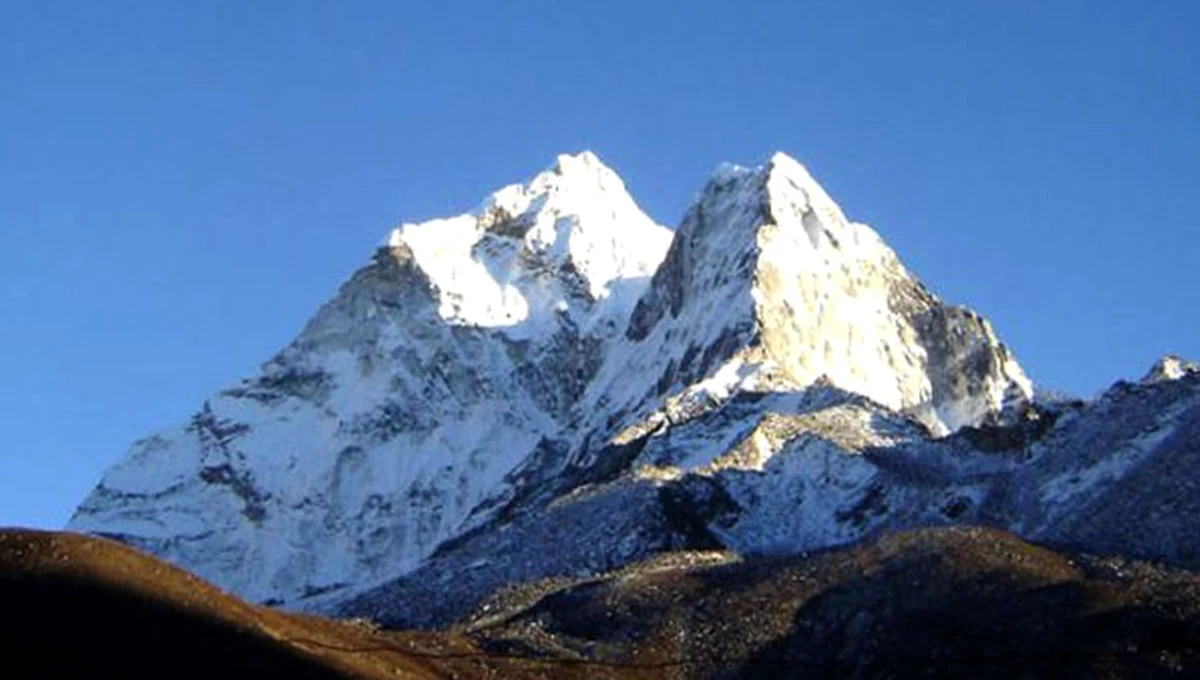
The Ama Dablam Expedition is a breathtaking adventure that is memorable for any trekking enthusiast seeking world-class mountaineering experiences.  Ama Dablam, often called the Matterhorn of the Himalayas, is one of the most beautiful and prominent peaks in the Everest region, with an elevation of 6,812 meters. This world-class expedition trek with Ama Dablam Base Camp is the final destination, allowing trekkers to embark on a thrilling journey through remote Sherpa towns, while being amazed at views of Everest, Lhotse, and other Himalayan giants. 

The trek to the Ama Dablam Expedition usually begins with a scenic flight from Kathmandu to Lukla, followed by an exciting trek through the well-known Khumbu Valley. The trek winds through dense forests, crossing several suspension bridges, and passing vibrant old monasteries that reward with a rich cultural experience. Namche Bazaar, a bustling town in the Khumbu, is recognized for its stunning views of Everest and other majestic peaks. Namche is also well-known for its market areas, restaurants, and variety of options for accommodations.

Trekkers acclimatize before proceeding towards the Tengboche, home to a serene monastery, and then to the stunning Ama Dablam Base Camp. Upon approaching Base Camp, the views of Ama Dablam become more dramatic, along with overwhelming views of snow-capped mountains. Even though the climb is technical, it includes some steep rock and ice sections, making it a demanding journey. Reaching the summit offers an unforgettable 360-degree view of the Everest region, along with Everest, Lhotse, Makalu, and other incredible peaks.

The Ama Dablam Expedition is not only about reaching the summit but also about getting a sense of achievement and enjoying the unique opportunity to immerse yourself in the untouched beauty of the Himalayas.  For experienced mountaineers, the Ama Dablam Peak provides a demanding yet attainable journey, which can be conquered with proper planning, skills, and guidance. 

The demanding route requires technical expertise, proper acclimatization, and mental strength, making it ideal for those seeking an intense yet rewarding experience. The return to the Base Camp and Lukla offers you a chance to reflect on the incredible journey to Ama Dablam. Therefore, the Ama Dablam Expedition is a perfect spot that blends adventure, culture, stunning natural landscapes, and a profound sense of achievement. It is ideal for those seeking the finest trekking and climbing experiences globally.  

Important Highlights of the Ama Dablam Expedition

  • Admire the stunning, iconic mountain views of the Ama Dablam. 
  • Explore important spiritual sites such as the popular Tengboche Monastery.
  • Pass through picturesque villages like Phakding, Namche Bazaar, and many more. 
  • Get a chance to glimpse Everest, even without reaching the Base Camp.
  • Learn more about the Sherpa Buddhist culture.  
  • Elevate through dense forests, alpine meadows, and Himalayan wildlife. 
  • Witness the spectacular vistas of Everest, Lhotse, and Makalu
  • Navigate through the Glacial terrain and witness incredible views of the nearby glaciers, especially near Ama Dablam. 
  • See awe-inspiring sunrise and sunset views over the snow-capped peaks.
  • Reach Namche Bazaar, a vibrant town considered the gateway of the Everest region and especially known for its markets, restaurants, and stunning panoramic views. 
  • Make your way through steep ascents, rocky paths, and high-altitude ridges, providing a more adventurous experience.  

What makes the Ama Dablam Expedition Unique from Other Expeditions?

The Ama Dablam Expedition is unique from other high-altitude mountaineering expeditions due to several distinctive features, making it a well-known spot for adventurers. Here are some of the key aspects that make Ama Dablam the best location for a mountaineering expedition. 

Iconic and Technical Climbing Challenge

The Ama Dablam is considered the ‘Matterhorn of the Himalayas’ because of its dramatic, pyramid-like shape. This distinctive feature makes it one of the most visually stunning peaks in the Everest region. Ascending the peak includes some technical, rocky, and ice climbing, which can be tough, mainly for beginner trekkers. However, the Ama Dablam is not as high as Mount Everest; still, it involves challenging routes, steep ridges, and open sections, making it a technical climb that requires a high level of skill in varied terrain conditions.

Stunning Location and Views

The Ama Dablam, located in the Khumbu Region of Nepal, presents some of the most incredible views of the Himalayas. As you reach the summit, you will be amazed by the stunning panoramic views of Everest, Lhotse, Makalu, and some other renowned peaks. The route navigates through picturesque Sherpa villages, ancient monasteries, and vibrant high-altitude landscapes, making your journey full of unforgettable memories.  

Less Crowded than Everest

Compared to Everest, there are fewer climbers on Ama Dablam, which has the advantage of reducing the crowds on the mountain, resulting in a more personal and enjoyable experience. However, this also means the expedition can be more exclusive and require specialized logistics and support. Because of the more demanding journey, the Ama Dablam Expedition requires greater experience to complete the exclusive adventure in the Himalayas.

Climbing Season and Duration

Compared to the treks for Everest and K2, where the duration extends over weeks, the Ama Dablam climb would only require 3-4 weeks, depending on the time required by the trekkers to acclimatize. This expedition offers plenty of new challenges while you make your ascent. The best time to embark on the expedition is during the pre- or post-monsoon period, from April to May or October to November. These months provide you with more stable weather conditions and clear skies.

High-Altitude Experience

Ama Dablam may not stand as high as Everest, but it still provides climbers with an exhilarating high-altitude experience. The Ama Dablam allows individuals to prepare for other higher peaks while avoiding the crowds and logistical difficulties. The climb is a great way for climbers to build up to tackle some of the toughest mountains in the world, giving them valuable experience in challenging high-altitude conditions. 

How does the Sherpa team contribute to the success and safety of the Ama Dablam Expedition?

The Sherpa team is an essential part of the Ama Dablam Expedition, contributing significantly to the climb's safety and success. Having native knowledge of the Khumbu region, Sherpas are highly experienced and skilled mountaineers. The roles of Sherpas in contributing to the success and safety of the Ama Dablam Expedition are mentioned below. 

  • Carrying Gear: Sherpas are responsible for carrying a large portion of the group’s items, such as tents, food, climbing gear, and other equipment. This allows the climbers to focus on the technical skills required during the climb.
     
  • Setting Up Ropes and Fixing Lines: Sherpas put fixed ropes, ladders, and anchors, which climbers use to safely ascend and descend challenging sections of the Ama Dablam. There are parts of the climb where they need to use safe ascending and descending techniques, which are necessary to enhance safety, particularly in areas that are exposed to high chances of avalanches and rockfalls.
     
  • Assisting with Technical Sections: The Sherpas have deep knowledge of the mountain, which allows them to provide invaluable assistance in the more challenging and technical sections of the climb, such as ice rock climbing, managing difficult sections, or guiding through crevasses. Their support is essential for ensuring the safety and smooth progress of the expedition.
     
  • Local Expertise: Sherpas have deep knowledge of the mountain, from weather patterns to the best routes, and are familiar with potential hazards (like crevasses or avalanches). Their experience greatly boosts the chances of a successful summit while reducing risks. 

Why is Ama Dablam referred to as the “Mother Necklace”?

Ama Dablam, often called the “Mother Necklace,” is one of the most beautiful peaks of the Himalayas with an elevation of 6,812 Meters (22,349 feet). Its name is deeply rooted in Sherpa culture, and as per the local mythology, “Ama” is the Sherpa term for “mother”, whereas “Dablam” is termed to be given to a necklace traditionally worn by women, which contains turquoise, coral, and silver. The necklace has its narrative as it is considered a protective ornament and a symbol that establishes the woman’s status in society as a caregiver.  

The name, “Mother’s Necklace”, actually describes the mountain’s distinctive shape. The main summit of Ama Dablam, with its sharp ridgelines and sweeping snow-capped slopes, resembles a mother with her arms outstretched in a protective embrace. The smaller peaks and hanging glaciers around the mountain give the impression of a necklace wrapped around the mountain’s neck.

This symbolism is hugely significant to the Sherpa, who view the mountain as a guardian spirit, watching over the Khumbu region. The combination of Ama Dablam’s beauty and the meaning behind its name influences Sherpas on a spiritual level, which indeed makes it one of the most perfect landmarks of the Himalayas. 

Benefits of Booking for the Ama Dablam Expedition with High Camp Adventure 

Booking your Ama Dablam Expedition with High Camp Adventure is very advantageous, as our team is one of the reputed operators in Nepal, specializing in high-altitude expeditions, and is known for its professionalism, experienced Guides, and excellent logistical support. Here are a few reasons why High Camp Adventure stands out as a trusted partner for the Ama Dablam expedition in Nepal. 

  • Skilled and Knowledgeable Guides: Our team is fully equipped with Guides who are not only truly experienced but also properly trained to take on the challenging Ama Dablam Expedition, ensuring you receive top-notch guidance for a seamless journey in the Himalayas. 
     
  • Prioritizing Safety: Our team mainly targets the safety of trekkers, providing them with the best equipment and preparations by following the safety protocols to ensure a secure climbing experience, even in the most demanding conditions. 
     
  • Guaranteed Departure Dates: Our set fixed departure dates give you peace of mind, ensuring you can plan confidently, knowing the expedition will go ahead as scheduled with no unexpected changes or cancellations.
     
  • Customizable Itineraries: We recognize that every climber has their own goals and preferences. Therefore, our flexible itineraries allow you to design a journey that fits your preferences, ensuring a personalized and unforgettable experience.
     
  • High Success Rate: High Camp Adventure has one of the highest success rates in successfully climbing the Expedition. Our experienced team, combined with the best equipment and safety measures, ensures that you are well-prepared for every stage of the ascent. When you choose us for your Ama Dablam Climb, you can be confident that you are guided by professionals, maximizing your chances of a successful summit.
     
  • Authentic Cultural Experience: In addition to the climb, we provide you with the opportunity to deeply engage with the local culture, from exploring charming villages to discovering the traditions and customs of the Sherpa people.
     
  • No Hidden Fees: Our all-inclusive pricing means you won’t have to worry about any surprise costs once you have signed up. You can just focus on your adventure, knowing everything is covered.
     
  • 24/7 Support: Our support team is available 24/7 to help you with anything needed, whether it is logistical assistance, medical guidance, or just answering any questions you may have throughout the expedition. 

Ama Dablam Expedition - 31 Days Itinerary

Expand All
Let us help You Plan Your Perfect Holiday
Looking for a customized trip? Let us know your estimated holiday time, budget, travel style, etc. We will design an amazing personalized itinerary for you.

Cost Details

Includes

  • Airport Pickup and drop to and from the International Airport in Kathmandu.
  • Four-night accommodations in a 3-star Hotel in Kathmandu.
  • Experienced and Registered Trekking and Climbing Guide along with a Porter.
  • Transportation Services as per your itinerary.
  • Climbing Permit and National Park Entry Fees.
  • Tea house accommodations on the trek.
  • Tented Campsites during your Expedition to Ama Dablam.
  • Delicious Meals throughout the journey (breakfast, lunch, and dinner)
  • Camping equipment (including tents, kitchen, and dining facilities), while at Base Camp and higher Camps.
  • Flight Tickets from Kathmandu to Lukla and back.
  • Helicopter Evacuation in case of an emergency 
  • Local Sherpa to assist with logistics, carrying gear, and summit attempts. 
  • Climbing Sherpa (to fix ropes, route finding, and high-altitude support). 
  • Trekking Maps 
  • Farewell Dinner in Kathmandu
  • Duffle Bag
  • Medical Kit     

Excludes

  • International Flight tickets from and to Nepal.
  • Personal Gear (clothing, boots, gloves, and other personal equipment).
  • Travel Insurance (includes high-altitude climbing).
  • Major Meals in Kathmandu (breakfast included).
  • Tips for Guides, Sherpas, Porters, and other Staff. 
  • Visa Fees for Nepal.
  • Additional Costs for Extra Days. 
  • Costs associated with cancellation and weather delays. 
  • Change in itinerary and politically related matters. 
  • Extra charges for hot showers and charging of electronic equipment
  • Other personal expe

Essential Information

Itinerary Disclaimer for the Ama Dablam Expedition

During your Ama Dablam Expedition, there might be possible changes in the itinerary provided to you by the High Camp Adventure due to unforeseen circumstances such as weather conditions, natural disasters, and flight cancellations. Although we make every effort to maintain the planned itinerary, please note that the itinerary may be subject to change. We appreciate your understanding and flexibility in the event of any changes. 

Accommodations and Meals 

During the Ama Dablam Expedition, accommodations and meals are provided based on comfort, nutrition, and safety, which helps to handle the demanding high-altitude conditions. When you arrive in Kathmandu, you will be accommodated in a 3-star hotel, which provides a comfortable place to rest, prepare, and brief after the expedition. Throughout the trek, you will be provided with a tea house, with basic amenities (basic rooms) and a common bathroom. At Base Camp, you will be staying in a tent, and for the higher camps, you will be provided with mountaineering tents, which are usually set up by the team. 

The options range from traditional Nepali dishes to international cuisines, as Kathmandu offers you a wide range of restaurants. During your trek, meals provided are breakfast, lunch, and dinner, which are prepared by the locals of the tea house wonders. Meals are simple with options like Dal Bhat, MoMo, Noodles, Soups, and Western dishes. The food options can be limited the higher you go. Upon your approach to Base Camp and Higher Camps, your team crew will be preparing the meal, which includes soups, rice, pasta, vegetables, and other energy-giving foods like nuts, bars, and snacks. Meals become even more basic as you reach higher due to limited resources and extreme conditions. 

Best Time to Climb 

An Expedition to Ama Dablam, one of the most iconic Himalayan peaks, must be done with extreme caution due to the region’s highly unpredictable and harsh weather conditions. Therefore, the optimal time for the climb is crucial to ensure safety, maximise success rates, and enhance the experience. 

Spring (March to May)

Making your expedition during the time to Spring (March to May) is one of the favourable times for the Ama Dablam climb. The weather in Spring is generally favourable, along with moderate temperatures and clear skies, rewarding you with some of the dazzling vistas of the surroundings. The Ama Dablam Expedition draws a lot of attention, which creates crowded conditions, limited logistics, and some delays on the route. Because of crowded conditions, there are only limited accommodations, which creates limited space at camps and other amenities provided. While spring usually offers good conditions for climbing, it is not always as reliable, especially at higher altitudes.

Autumn (September to November)

Autumn is usually considered the most popular time to embark on the Ama Dablam Expedition. During this time, the weather is stable, with clear skies and lower chances of storms, which makes the conditions more predictable and safe for climbers. Autumn provides you with cooler temperatures, but not as harsh as during the winter months. This region experiences drier conditions, reducing the chances of avalanches or heavy snowfalls that could delay or increase risks on the mountain.

Winter (December to February)

Expedition to Ama Dablam. The time of Winter (December to February is generally less ideal for an expedition on Ama Dablam. During this time, the weather becomes harsher, with sudden temperature drops, especially as you elevate higher. The routes are mainly more challenging and dangerous due to heavy snow and possible icefall.

Summer (June to August)

The Summer, ranging from June to August, mainly impacts the region surrounding the Ama Dablam, making it a less favourable time for an expedition. During this time, you get to encounter heavy rainfall, creating some disruption on the route you navigate. This makes the trail and campsites muddy and harder to elevate. The continuous rain can cause rivers and streams to rise, increasing the chances of landslides, which could block paths. When the rain and melting snow mix, the mountain slopes become unstable, increasing the chance of rocks and ice sliding down, which can be a significant danger for those climbing.  

Permits Required 

Climbing the Ama Dablam requires obtaining several permits to ensure that climbers follow all the regulations and safety standards implemented by the National Tourism Board (NTB). Below are the permits necessary for the Ama Dablam Expedition. 

Sagarmatha National Park Permit

As you know, Ama Dablam is situated within the Sagarmatha National Park, which is also home to Mount Everest, which means anyone planning to trek or embark on a climbing expedition must secure this trekking permit. This also assists with National Park maintenance and Conservation efforts in the surrounding areas. 

Sagarmatha National Park Permit Fees 

  • NRP 3,000 Per Person For Foreigners 
  • NRP 1,500 Per Person For SAARC Nationals
  • NRP 100 Per Person For Nepalese 

Climbing Permit for Ama Dablam

Out of all the permits, the Climbing Permit for Ama Dablam is one of the most important ones for climbers wanting to do the Ama Dablam Expedition. A climbing permit, which is issued by the Department of Tourism, is under the Ministry of Culture, Tourism, and Civil Aviation of Nepal. The climbing permits are processed through the Nepal Mountaineering Association (NMA), which handles permits for peaks. The cost of the permit can vary depending on the season and other factors, and it is important to obtain this in advance through a licensed agency.

Climbing Permit For Ama Dablam Fees 

  • USD 1,500 Per Person (October-November)
  • USD 1,800 Per Person (March-May) 

Trekkers Information Management System (TIMS) Card

The TIMS Card is essential as this is implemented by the Government of Nepal to manage and regulate trekking activities in Nepal, ensuring the safety of trekkers. This helps to monitor all the movement of trekkers and climbers, which is important for both logistical reasons and in case rescue operations are needed. It provides an official record of trekkers entering the trekking areas. This permit can easily be obtained from the Trekking Agencies Association of Nepal (TAAN) Office, located in Kathmandu. If you are trekking independently, you need to visit the TAAN of the National Tourism Board (NTB) office to get your TIMS card. 

Trekkers Information Management System Card Fees 

  • NRP 600 (USD 6), for Grouped Trekkers 
  • NRP 2,000 (USD 20), for Individual Trekkers

Essential Gear and Packing for Ama Dablam

The Ama Dablam Expedition requires careful preparation and appropriate gear to ensure safety and comfort. The climb involves some strenuous climbs, high-altitude conditions, and unpredictable weather, which require some specialized equipment, from climbing gear and clothing to camping essentials. Below are some of the essential gear and packing for the Ama Dablam trek. 

Climbing Gear

  • Crampons (used mainly for ice and snow sections)
  • Ice Axes (for balancing, self-asserting, and navigating steep icy terrain)
  • Ropes (dynamic ropes for the climb, fixed by the Sherpas)
  • Harnesses (to secure yourself to ropes and anchors)
  • Climbing boots (stiff-soled, insulated boots for technical terrain)
  • Helmets (for protection against rockfall and icefall)
  • Carabiners and Slings 
  • Headlamp
  • Sunglasses 
  • Personal First Aid Kit 
  • Trekking Poles

Clothing 

  • Base Layers (moisture-wicking thermals for both top and bottom)
  • Insulated Jacket (down jacket for warmth at high altitude)
  • Waterproof Outer Layer (durable jacket and pants to protect against rain, snow, and wind)
  • Mid-layers (fleece jackets or soft shells for warmth and flexibility)
  • Down Suit (in case of extreme cold, especially during summit attempts)
  • Gloves and Hats 
  • Balaclava 

Camping Equipment 

  • Tent
  • Sleeping Bag 
  • Sleeping Pad
  • Cookware (compact stove, fuel canisters, and lightweight cookware for preparing meals)
  • Cookset (pot, pan, stove, and utensils for cooking at base camp)
  • Water purification tablets
  • Energy bars, dried fruits, and nuts 

Personal Items 

  • Camera and Phones 
  • Toiletries (toothbrush, toothpaste, soap, and toilet paper)
  • Sunscreen with High SPF
  • Travel Insurance 
  • Permits and Valid Documents 
  • Emergency Plans 

Challenges and Considerations

Climbing the Ama Dablam is rewarding, yet comes with some difficulties and considerations that climbers must be prepared for. Here are some of the major challenges and considerations to keep in mind before embarking on the expedition.  

Altitude Sickness 

The elevation of Ama Dablam (6,812 M) is enough to cause serious altitude sickness to climbers during their climb. Therefore, acclimatization is important for climbers to reduce the risk of altitude sickness, which can affect your experiences. Spend some time to acclimatize yourself by taking frequent rest days in major areas like Namche Bazaar and Base Camp to properly adjust to the thinning air.  

  • Symptoms: Fatigue, headache, dizziness, shortness of breathing, loss of appetite, insomnia, swelling of hands and legs, difficulty in walking, rapid heartbeat, blurred vision, increased pulse rate, and breathing rate.
     
  • Preventive Measures: Gradual ascent, Hydration, proper acclimatization, avoiding alcohol and caffeine, medications, knowing the symptoms your body is sending, and informing your Guide or team crew in case of an emergency.  

Weather Conditions 

The weather conditions during the Ama Dablam Expedition may vary, but still be challenging because of the mountain’s unique location within the Himalayas. Here are some facts about the weather conditions to bear during your expedition. 

  • Temperature: The temperatures can be extreme, especially as you ascend. During the day, temperatures can range from -5°C to 5°C (23°F to 41°F) at the base camp, but they can drop to -20°C to -30°C (-4°F to -22°F) or lower at higher altitudes, especially at night.
     
  • Wind: Strong winds are very common at Ama Dablam, mainly above 6,000 meters (about 20,000 feet). The expected wind speeds will be between 40 to 50 km/h or even higher.
     
  • Snowfall: In Winter and Spring, snowfall frequently occurs, especially from the end of November to February. So, it is advisable to avoid attempting the climb during the Monsoon period from June to September due to the risk of avalanches and other hazards. This period is commonly considered the off-season. The ideal months for an Ama Dablam expedition are from late September to November and March to May.
     
  • Altitude-related factors: At higher altitudes, the air becomes thinner, and weather can be harsh, with lower temperatures and more extreme conditions. Therefore, climbers need to prepare for the effects of high-altitude sickness. 

Avalanche Risk 

The risk of avalanches particularly increases during the winter and spring months, when climbers need to be aware of the terrain and avalanche-prone areas, along with proper gear. The monsoon season (June to September) brings additional risks, as the snow can melt and increase the chance of avalanches. 

Risk of Falling Rocks 

The route on Ama Dablam passes through rockfall-prone areas, especially during the warmer months when the snow melts and loosens rocks. It’s important to stay cautious, especially when climbing on exposed ridges, narrow ledges, or areas beneath hanging rocks, where the danger is highest. Therefore, wearing a helmet is essential for protection, and it’s crucial to be aware of rocky-prone zones throughout the ascent. In some sections, staying in constant motion or choosing the safest route can help you minimize exposure to rockfall hazards.

Travel Insurance 

When preparing for an Ama Dablam expedition, securing travel insurance is essential. The insurance should cover medical expenses, including emergency treatment and evacuation costs, as well as trip cancellation or interruption in case of unforeseen events. Since climbing at high altitudes comes with extra risks, make sure your insurance includes coverage for those specific activities. The travel insurance includes things like trip cancellation, delays, and any lost or stolen baggage, especially your expensive gear. If you have any pre-existing health conditions, it’s crucial to make sure they are covered too. Therefore, having the right insurance helps you for a seamless journey and focus on your climb without worrying about unexpected events. 

Ama Dablam Expedition - 31 Days FAQs

The Ama Dablam is an ascent to a Nepalese mountain peak known as Ama Dablam, which is 6,812 meters tall (22,349 ft). This peak is notable for not only its elevation but also for its beauty and prominence. This mountain is known to be the hardest mountain to climb below 7,000 meters. Climbing this peak involves steep and exposed ridges, which pose a threat to climbers. 

Need Help? Call Us+977 9851031822